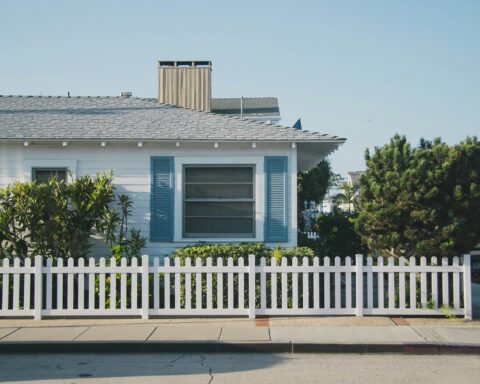




The homes by the sea are in quiet luxury, meeting effortless beauty, and these certainly live, breathe in salt air, shifting humidity, and the calming ocean breeze-definitive conditions to shape every material choice. It is fascinating how modern coastal homes now settle into their surroundings while sliding naturally into beauty that feels effortless. From cladding on the exterior to roofs and other structures, this piece explores what will shape up as the best coastal construction, combining resilience with low maintenance and a deeply restrained aesthetic shaped by water. With what we bring to you forward, you’ll discover which materials can really withstand the coast while still delivering a timeless beauty to your seaside glory!
Materials Designed to Withstand the Coast
Sustaining the coast calls for a knowledgeable choice of low-maintenance materials for these elements that withstand unrelenting exposure while still looking exquisite. This indicates that these materials are remarkably resistant to water penetration, salt corrosion, and continuous wind. To explain further, for a home with silent strength, reinforced concrete adds great value while clean lines without corrosion can be maintained with marine-treated steel.
Grace through humidity, as the use of dense timbers, such as teak or ipe, will soften the structure. Settle in for a natural tone that lends permanence and essentially minimal maintenance, while in extreme conditions, ceramic or porcelain cladding is ideally a nonporous option that stays true. For greater stability and lightness, complete the palettes with fiber-cement. These additions, while offering non-wearability to coastal homes, add aesthetic and undeniably sophisticated grounds.
More Choices Shaped by Water…..

Photo by Stock Birken on Unsplash.
Durability is essential, but comfort is crucial in a home. Designs that are quite heartfelt and thoughtful are inspirations drawn from the sea itself – echoes of the shoreline with no resort to being predictable. Letting the coastal cliff be reflected through stone façades, while movements of tide-like, uninterrupted smoothness are created on microcement floors and terraces. Where soft skies, shells, and the soft colors of sand are found to thrive with ceramic and roof finishes made of matte concrete, so too should the power of the coastline.
To further enhance the link, design windows that encourage the ingress of the outdoors. Employ PVC and marine-treated aluminum, both resistant to water and amenable to large glazing areas, with UV-filtered, laminated glazing to minimize glare. These systems demand soft colors and low profiles, which stretch design limits by incorporating materials to frame the outdoors, not contrast with it, and architecture influenced by the coastline, not just adjacent to it.
Stylish Coastal Spaces That Marry Form and Function
For a coastline property, another consideration is the design of spaces, focusing on style and functionality. A well-designed house by the sea would thereby achieve this blend through careful material selection. Marine timber, metal, porcelain, and composite floor materials would undoubtedly be significant factors in the design of a coastal house. The choice of the fabric would also significantly contribute to the design of a house by the sea.
A layout that encourages a strong indoor-outdoor connection through large sliding doors and cleverly placed windows, along with verandas that bring in plenty of natural light and highlight the importance of cross breezes, would be a great selection. Function-meets-fashion elements, including storage for beach accessories built into the design, slip-resistant, UV-protected furniture for living, dining, and entertainment spaces, and indigenous landscape designs, would complete the design. These are great ways to infuse style into a coastal house decor.
Living With the Elements: Low Maintenance as a Design Ethic

Photo by Noelle on Unsplash.
Life by the shore asks for more than a mere choice of materials – it indeed asks for thoughtful upkeep. The finest finishes of all will still require regular maintenance, and authentic coastal house living means doing so with respect for both your home and the surrounding environment. When you treat materials with care, you reinforce a design philosophy that harmonizes well with the coast. For example, you can rinse off metal surfaces regularly to remove salt buildup, and apply a seasonal protective coat to treated wood so it weathers gracefully rather than absorbing lingering salt. Having reminders for regular checks on roofs, joints, and windows is essential to avoid constant attention.
What’s interesting is that coastal house architecture can hold its poise with minimal intervention, backed by thoughtful choices – porcelain floors, sunny decks, composite wood, and marine-treated metal ceilings. Low maintenance is not a shortcut but a direction. Architecture by the sea is most successful when materials work well with water, light, and breezes, allowing patina to develop naturally from the environment, while architecture remains calmly steady.
Conclusion – What Coastal Materials Reveal About Living by the Sea
To wrap up, building by the sea is not just about creating a visually appealing space, but it is a lot about creating a space that lives in unity with the coast – the water! Every material, every decision, should be a homage to the outside environment and enable you to live well with water. Moreover, opting for sustainable building materials aligns with the UN-Habitat vision for rebuilding cities holistically to address climate change. This includes nature in the strategies for adapting to climate change.
As you prepare to build your dream house by the sea or make renovations, be ready to adapt to these challenges of the coastal environment. Add in a mix of refined materials with touches of lasting charm and sophistication, so every element becomes a part of the story your beautiful seaside home tells.