
Most of us know what a river sounds like.
Or at least, we think we do.
There is the rush of water over stones, the slap against a muddy bank, rain dimpling the surface and perhaps the distant call of a bird. Yet these are largely the sounds of a river heard from the human side of the waterline.
Lower a hydrophone beneath it and another river appears.
Bubbles crackle. Gravel shifts and grinds. Aquatic insects create tiny pulses and scratches. Fish produce knocks, grunts, and other signals. Propellers arrive as an overwhelming mechanical roar long before the boat itself passes overhead.
Some of these underwater river sounds are familiar to scientists. Others still have no confirmed source.
This growing field of freshwater ecoacoustics is asking an unusual question: if an ecosystem changes, can we hear it happening?
Increasingly, scientists think that listening may reveal information that looking alone cannot.
The Hidden Soundscape Beneath a River
Every river soundscape is built from overlapping acoustic worlds.
There is biophony: sound generated by living things, including fish, insects, and other aquatic organisms.
Geophony is sound created by non-living natural processes such as rainfall, currents, bubbles, sediment, and rocks moving downstream.
Then there is anthropophony: everything humans add, from boat engines and road traffic to construction, bridges, and industrial machinery.
Together they form something like an acoustic fingerprint.
A large study of freshwater soundscapes across five North American river systems recorded more than 7,000 sounds from 173 locations, spanning lakes, ponds, rivers, streams, brooks and creeks. Researchers found extraordinary acoustic diversity – and many biological sounds whose origins could not yet be identified.
Human-generated noise was remarkably pervasive. Across the study, anthropogenic sounds dominated the freshwater soundscape, accounting for 92% of it by relative percent time.
That means some of the world’s most familiar freshwater environments contain an acoustic world science is still learning to decode.
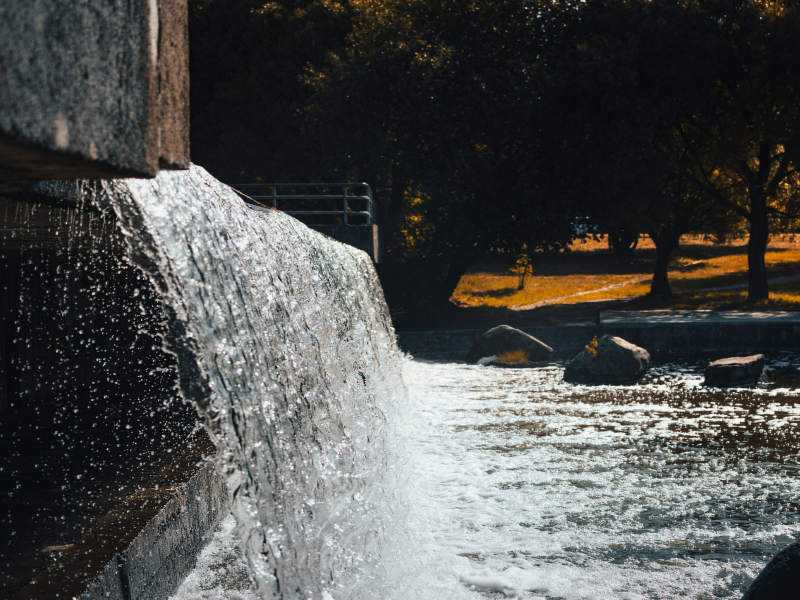
A Fish Does Not Experience a River the Way We Do
Humans tend to think about freshwater habitats visually. Is the water clear? Are fish visible? Are the banks vegetated?
For an animal living underwater, that sensory hierarchy can be very different.
Light disappears quickly in deep, turbulent, or sediment-filled water. Sound travels efficiently through the aquatic environment. For fish, acoustic information can form part of a much larger sensory map used to communicate, detect danger, find habitat, and interact with other animals.
Research into lowland rivers has shown that their acoustic characteristics vary with water depth, channel width, current velocity and distance from shore. That raises a fascinating possibility: the physical sounds of a river may themselves provide information to animals moving through it.
A river, in other words, may not simply be a migration route.
It can be an acoustic corridor.
Change the river’s flow, structure, or background noise and its inhabitants may encounter a different sensory environment even when the river appears superficially unchanged.
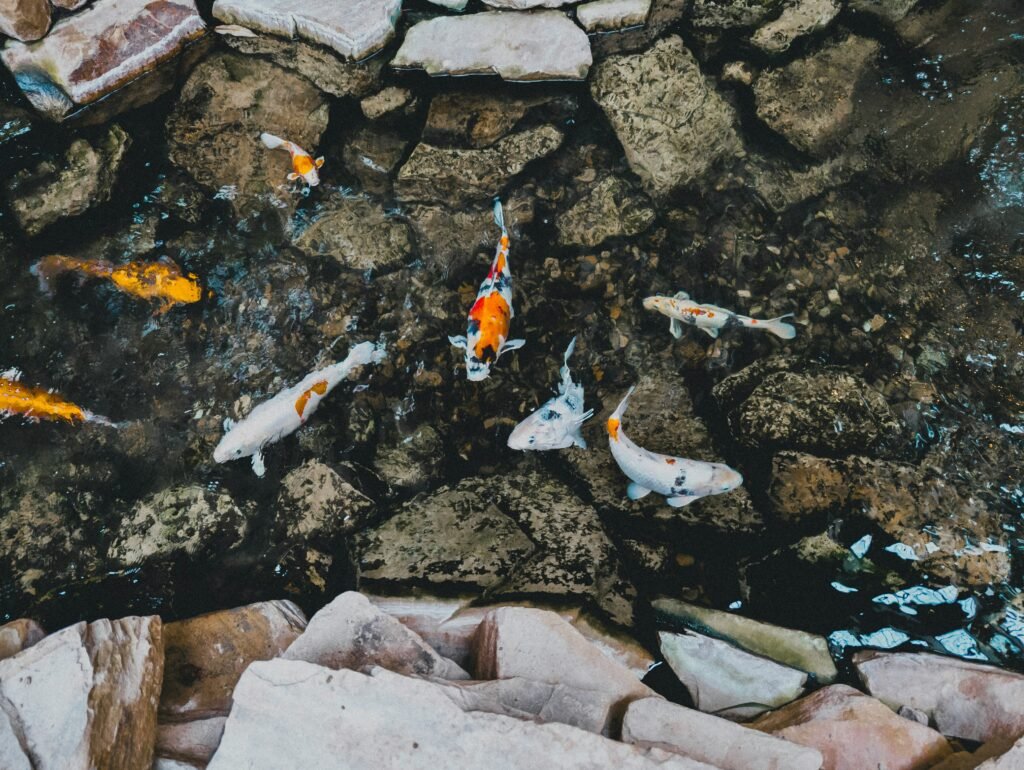
Case Study: Scientists Hear What They Cannot See
For scientists studying fish, knowing exactly when and where spawning occurs can be difficult. Deep, murky, or turbulent water can obscure activity, while some spawning happens after dark. In northern Georgia, researchers tested a different approach: listening.
They placed hydrophones at four river locations to record spawning by River Redhorse and Robust Redhorse, two large-bodied sucker species that disturb gravel as they deposit their eggs. The recordings captured 494 spawning events, which produced acoustic signatures distinguishable from ordinary river noise. When the researchers tested automated detection software, it correctly recognized 80 – 82% of known spawning events, although false detections occurred 6 – 7% of the time.
The experiment demonstrated how passive acoustic monitoring could complement visual observations, particularly when fish are difficult to see. Instead of requiring researchers to witness every event, a river can leave behind an acoustic record of activity beneath its surface.
A muddy river may conceal its fish from human eyes. It does not necessarily conceal them from human ears.
When a Boat Becomes the Loudest Animal in the River
Listening also reveals how dramatically humans have entered freshwater soundscapes.
A 2026 study of three major European rivers found that boat noise occupied 42-86% of recording time in the Rhine, compared with 2-38% in the Elbe and 0-20% in the Gironde.
When vessels were present, researchers found considerable potential for natural sounds to be masked.
Acoustic masking is relatively easy to imagine. Try holding a conversation beside a passing truck. The speaker has not stopped making sound; another sound has simply made the message harder to detect.
Underwater, the consequences may matter to animals that depend on acoustic information.
Experiments with freshwater fish have already found behavioral responses to motorboat noise, with some species appearing less frequently in areas exposed to playback of boat sounds.
Noise pollution, then, does not end at the shoreline.
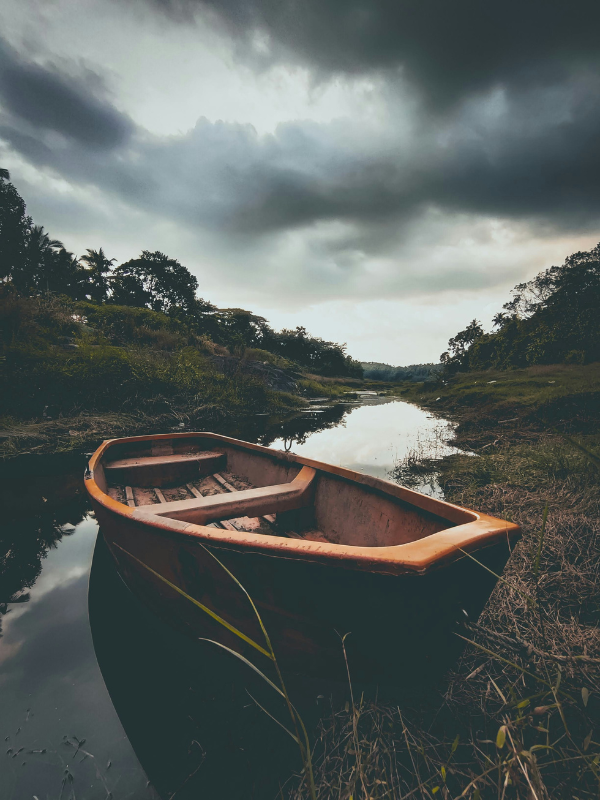
The River Dolphin Living in an Increasingly Noisy World
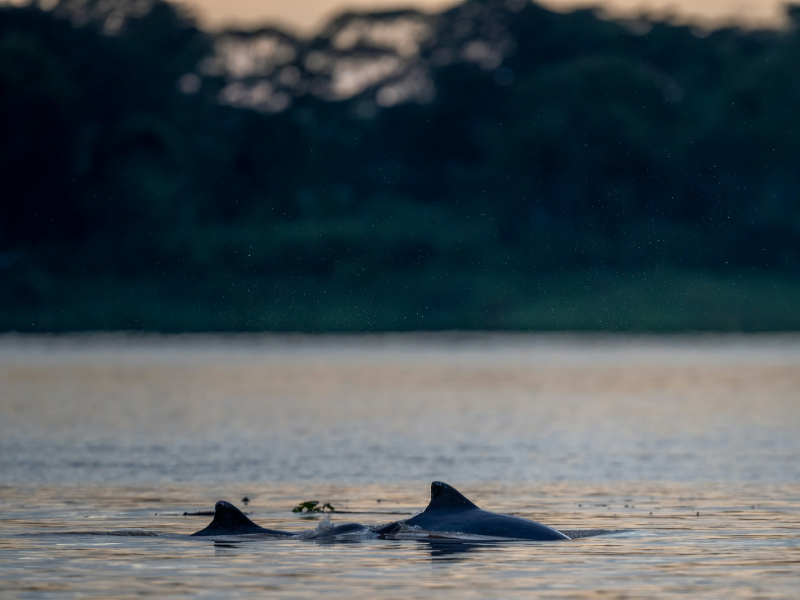
Few animals illustrate this problem better than river dolphins.
The Ganges River dolphin is nearly blind and relies heavily on high-frequency echolocation clicks to sense its environment. Research in the Ganga River has found that underwater noise from motorized vessels can strongly mask these clicks and alter the dolphins’ acoustic responses.
The problem becomes particularly interesting when water levels change.
During dry periods, shallower water can alter the acoustic environment while vessels and dolphins are squeezed into reduced aquatic space. Research has associated chronic vessel noise exposure with altered activity and increased metabolic stress in Ganges river dolphins.
This is an important reminder that environmental pressures rarely occur in isolation.
A changing river can become shallower, warmer, busier, and acoustically different at the same time.
The Rhine Has a Voice. So Does the Gravel Beneath It.
Not everything a hydrophone captures is alive. Sometimes, the river itself is making the noise.
A 2026 study of the Rhine, Elbe, and Gironde explored how both biological activity and a river’s physical character shape its underwater soundscape. Using 24-hour recordings and drifting hydrophones, researchers detected sounds from diverse aquatic species alongside the geophony created by flowing water and riverbed conditions.
Water velocity and sediment hardness explained a significant share of variation in background sound at frequencies above 350 Hz. Once water velocity exceeded roughly 1.4 meters per second, sound levels rose sharply. This means currents, sediment, and riverbed structure can give different stretches of a river their own acoustic character.
These sounds may matter to more than scientists holding hydrophones. The researchers concluded that river soundscapes contain information about nearby physical features and aquatic life, potentially providing environmental cues that animals can use to interpret their surroundings.
Human activity, however, can interfere with that natural information. When boats were present, many natural sounds were likely to be masked, raising concerns that persistent vessel noise could obscure auditory cues used by aquatic animals.
So a loud river is not necessarily unhealthy, nor is a quiet river automatically thriving. The more revealing question may be: what should be audible here – and what is drowning it out?
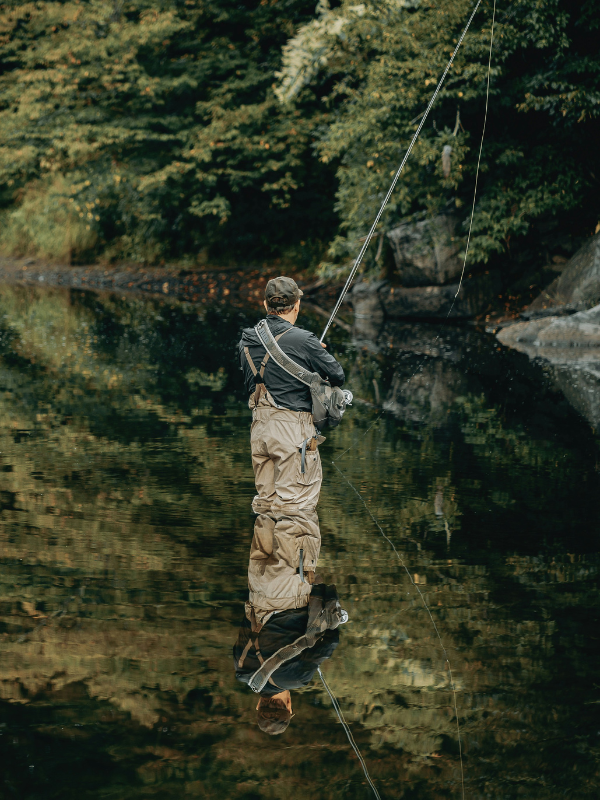
The Sound of a River Before – and After – a Dam
Few structures alter a river as comprehensively as a dam.
A dam can change water velocity, sediment transport, depth, temperature, connectivity, and fish movement. Inevitably, those changes can alter a river soundscape too, while turbines, navigation infrastructure and vessels introduce additional mechanical noise.
That makes freshwater ecoacoustics particularly intriguing for restoration science.
Long-term acoustic monitoring before and after barrier removal could allow researchers to track how a river’s physical and biological soundscape changes over time.
Has the physical sound of flowing water changed?
Have biological sounds returned?
Are fish producing sounds in places where they were previously absent?
Has the timing of acoustic activity shifted?
These are not yet simple diagnostic tests. River soundscapes vary naturally with season, weather, flow and geography, and scientists still have major knowledge gaps to solve.
But Europe is about to provide an extraordinary real-world setting in which such questions could become increasingly relevant.
Europe Is Rewriting 25,000 Kilometers of River
The European Union’s Nature Restoration Regulation includes an objective of restoring at least 25,000 kilometers of rivers to a free-flowing state by 2030.
Member states are required to inventory artificial barriers, identify those that should be removed and prioritize obsolete barriers that are no longer required for functions such as navigation, renewable energy, water supply, or flood protection.
The scale is remarkable. Europe has more than one million man-made river barriers, according to the Council of the European Union.
The program has now entered a critical implementation phase. On 1 September 2026, EU Member States submitted their draft National Restoration Plans, setting out how they intend to meet restoration targets through 2030 and outlining longer-term actions towards 2040 and 2050. The European Commission, supported by the European Environment Agency, will now assess the drafts before final plans are completed within a year. The plans are designed to coordinate restoration with areas such as water and climate policy, while strengthening ecosystems against droughts, floods, heatwaves and other growing environmental pressures.
For river science, these projects create more than restored habitat. They create potential before-and-after experiments on a continental scale.
The question for freshwater ecoacoustics is irresistible:
If a river recovers, will its recovery become audible?
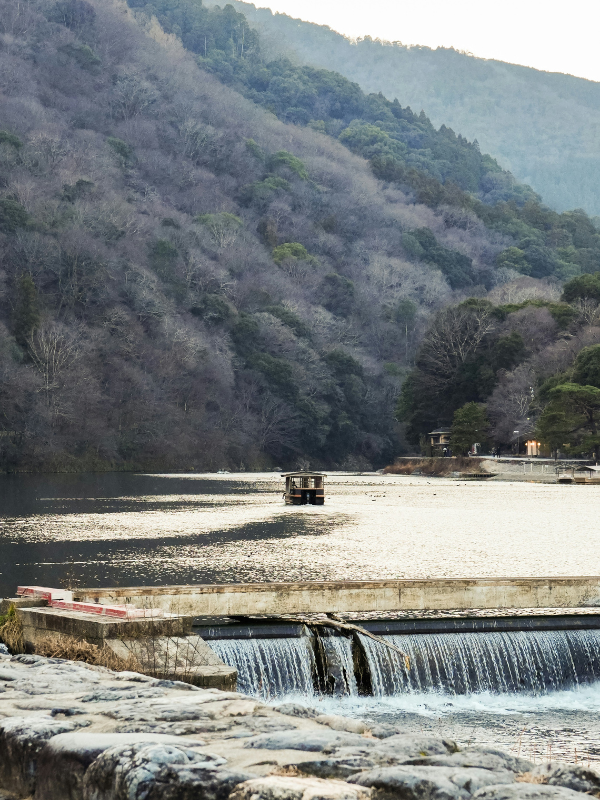
New Zealand Is Building an Underwater Listening Experiment
On the other side of the world, New Zealand researchers are experimenting with another futuristic use for freshwater sound.
In New Zealand, University of Waikato acoustician Dr Jenni Stanley and Earth Sciences New Zealand freshwater ecologist Dr Michele Melchior are exploring whether sound could eventually influence the behavior or survival of invasive gold clams. As a first step, they deployed hydrophones across Lake Maraetai, Lake Karāpiro and Lake Whakamaru at sites with high, low and no known clam densities. Recording continuously for up to six months, they capture biological signals, natural physical sounds and human-generated noise to establish baseline soundscapes and assess ecosystem conditions. The specially developed Freshwater Soundscape Code can then rapidly analyze the recordings and compare how these underwater environments change across locations, time, and different levels of clam invasion.
We can remove this section. Seems overlapping with the above one.
But its longer-term ambition goes further than simply listening.
Scientists are investigating whether sound could potentially be used to influence invasive gold clam behavior or survival.
That flips the usual logic of ecoacoustics.
First, humans listened to aquatic animals.
Then we began using their sounds to monitor ecosystems.
The next frontier may involve asking whether carefully designed sound can alter organisms’ behavior.
It is an intriguing prospect – and one that will require careful study of unintended effects on the wider ecosystem.
From Hydrophone to Algorithm: Teaching AI to Listen
A six-month hydrophone deployment creates another problem: an enormous amount of audio.
No research team wants to spend months wearing headphones and manually identifying every click, scrape, engine, and unknown pulse.
This is where the next generation of passive acoustic monitoring becomes especially interesting.
Algorithms can calculate acoustic characteristics across enormous collections of recordings. Machine-learning systems may increasingly help researchers classify known biological sounds, distinguish human noise from natural processes, and flag unusual acoustic events for human review.
The long-term concept is powerful.
How would a network of instruments beside and beneath a river be?:
hydrophone + water-temperature sensor + flow gauge + chemical sensor + eDNA sampling + AI-assisted analysis.
Rather than receiving occasional snapshots of ecosystem condition, scientists could build something closer to a continuously updating river health record.
A sudden acoustic change would not automatically prove that something was wrong. It could, however, become another signal worth investigating.
A Recording Made Today Could Become More Valuable in 2040
Environmental sound data has another unusual quality.
It can wait.
Suppose a hydrophone records an unidentified biological sound thousands of times in 2026. Researchers archive it but cannot determine what made it.
Ten years later, another scientist definitively identifies the species responsible.
Those old recordings have not become obsolete. They can potentially be searched again.
Suddenly, yesterday’s mystery noise becomes tomorrow’s biodiversity record.
This is one reason long-term acoustic archives could become so valuable. Future analytical tools may extract information that nobody knew how to recognize when the recording was originally made.
Imagine a continuous acoustic archive of the same river across decades.
Researchers could ask whether spring activity begins earlier, whether a once-common sound disappears, whether an invasive species arrives, whether boat noise intensifies, or whether a restored habitat develops a richer biological chorus.
A soundscape can become ecological history.
When Scientists Call It Data and Artists Call It Music
Australian sound artist, designer and researcher Dr Leah Barclay works at the intersection of art, science and technology, exploring how the sounds of aquatic and terrestrial ecosystems can contribute to conservation, scientific research and public engagement. Her work combines creativity with emerging technologies to make environmental change something communities can not only understand, but hear.
Barclay leads projects including River Listening and Biosphere Soundscapes, which have helped advance ecoacoustics through technologies such as hydrophone recording arrays in aquatic ecosystems and remote sensing devices. Her environmental sound work has reached audiences far beyond research settings, with projects commissioned, performed or exhibited internationally by organisations including UNESCO, the Smithsonian, IUCN and Climate Reality, while her augmented-reality sound installations have appeared from New York’s Times Square to Paris during COP21.
The idea behind this work is compellingly simple: environmental monitoring often translates an ecosystem into numbers, graphs and measurements. Sound offers another way in. Put on headphones and suddenly the data becomes an environment – something moving, clicking, bubbling or calling beneath the surface.
The Tagus Became an Instrument
Portuguese interdisciplinary artist and researcher Francisca Rocha Gonçalves brings together sound, science and environmental activism in Interferences in the Tagus (2024 – 25), an immersive installation inspired by the underwater acoustic world of the Tagus River. Developed during a research residency, the work uses hydrophone recordings Gonçalves collected alongside scientists from the Fish Bioacoustics Lab during expeditions to “deep listen” to underwater life.
The resulting soundscape moves between biology, geology and human interference. Audiences hear waves, shifting sand and sliding pebbles alongside snapping shrimp and vocal fish. Breeding male Lusitanian toadfish call from their nests, while native meagre and invasive weakfish form underwater choruses. Low-frequency sounds travel through the installation to be not only heard but physically felt.
Then the acoustic landscape changes. The shrill noise and vibrations of passing ships cut through the natural soundscape, echoing beneath the surface and exposing a form of pollution that is largely invisible from above.
By placing these sounds side by side, Interferences in the Tagus turns an environmental question into a sensory one: if aquatic animals depend on sound to communicate, hunt and navigate, why does underwater noise remain so easily overlooked?
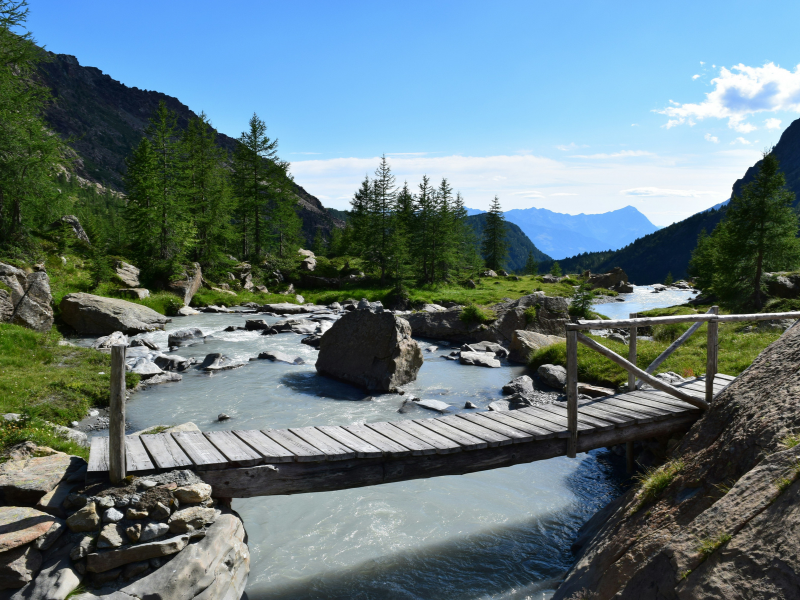
What Happens When a River’s Sound Disappears?
That question sits at the heart of Riverghost, an experimental art-and-nature project designed to preserve detailed acoustic portraits of threatened rivers in the North American West – and imagine what could be lost if they run dry.
Rather than recording a rapid as one continuous wash of water, Riverghost plans to treat its individual features almost like instruments in an orchestra. Standing waves, pour-overs, recirculating holes and eddy lines will be recorded separately, while hydrophones, contact microphones and geophones capture sounds beneath the water and even subsonic vibrations travelling through rock. The resulting multi-channel recordings are intended to recreate individual rapids at approximately life scale inside immersive public installations that audiences can walk through, hear and physically feel.
A second concept turns the experience around. Microphones will travel through the rapid, mounted on a raft or suspended beneath a remotely guided research blimp, allowing future audiences to hear themselves acoustically approach the water, enter its chaotic energy and eventually drift back into calmer stretches. An early test on New Mexico’s Chama River in 2024 paired high-resolution microphones with a hydrophone trailing behind a raft.
Riverghost also plans to weave human voices – stories, songs, prayers and poetry – into these soundscapes, potentially working with Indigenous artists, elders, youth and environmental organisations. During its 2026 prototyping year, the project is also experimenting with interactive technologies that could give audiences greater agency within the installations.
There is something unexpectedly archival about the idea. Museums preserve objects, libraries preserve manuscripts and audio archives preserve human voices. Riverghost asks whether the distinctive acoustic character of a threatened rapid deserves preservation too.
If a river changes beyond recognition – or eventually runs dry – its soundscape may become more than environmental data. It could become a record of what was once there.
Could a River One Day Call for Help?
The temptation with new environmental technology is to imagine a hydrophone functioning like a stethoscope: listen to the river and immediately diagnose whether it is healthy.
Freshwater ecoacoustics is not there yet.
Rain changes recordings. So do depth, temperature, flow, and sediment. A naturally turbulent river can be deafening. A quiet river is not necessarily pristine. Many freshwater organisms remain acoustically understudied, and researchers still cannot identify the sources of many of the sounds they record.
Those limitations are precisely what make the field interesting.
Scientists are not discovering a simple new environmental score. They are discovering another layer of information that has largely existed beyond human perception.
The future river observatory may therefore not depend on one magical sensor. It may combine chemistry, biology, hydrology, environmental DNA, satellite observations and sound.
And sound offers something the others cannot quite replicate.
It records events.
A fish spawning in darkness.
A storm arriving.
Stones beginning to move.
A boat passing overhead.
An unfamiliar species making an unfamiliar signal.
The first biological activity after restoration.
As monitoring improves, acoustic records could help researchers identify ecological changes more quickly, compare rivers before and after restoration, and discover patterns that today’s analytical tools cannot yet detect.
For now, the most important discovery may be much simpler.
A river has never been merely scenery.
Beneath its surface is a shifting archive of animals, water, geology, and human interference, broadcasting continuously whether anyone is listening or not.
We are only beginning to put our ears beneath the waterline.
Read More on: