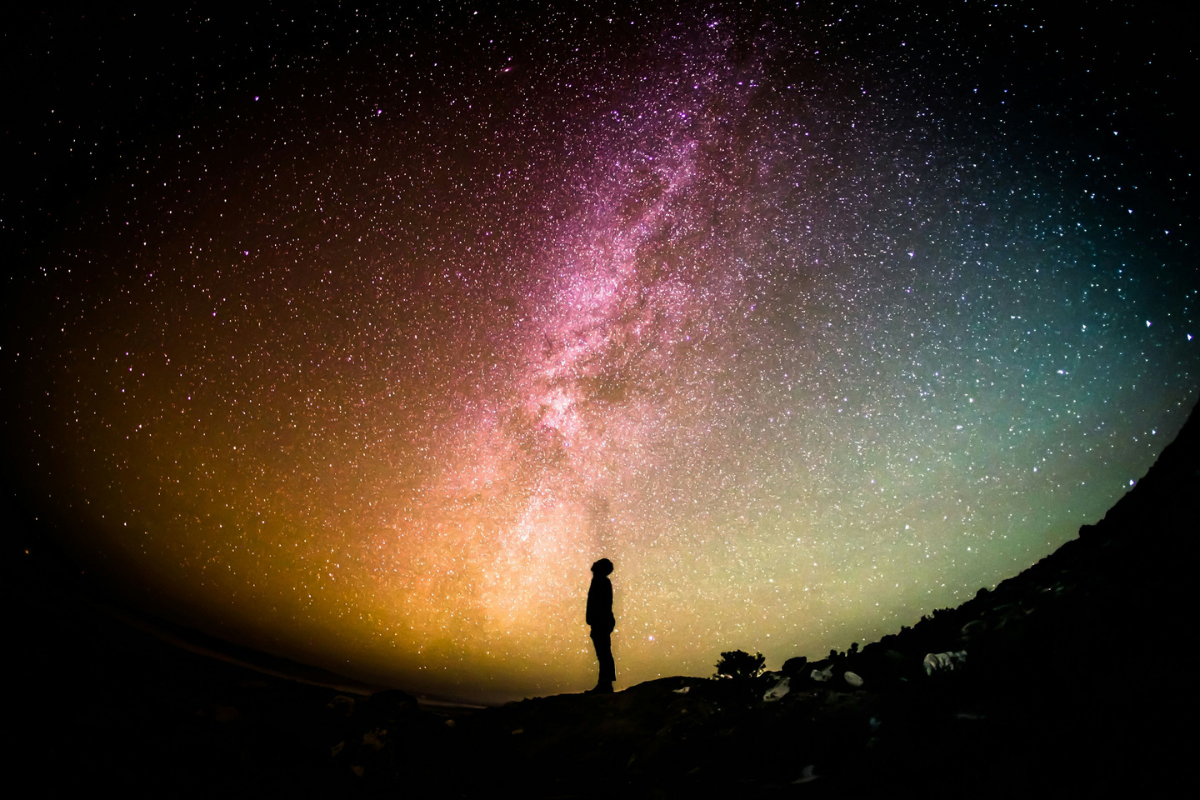

Tourism at nighttime by the water is gradually evolving into one of the most intriguing developments in travel. According to Booking.com 2025 Travel Predictions, more than half (62%) of tourists are planning to visit dark sky locations, as night sky observation, night sky tours, and observing the unique astronomical phenomena become increasingly popular. Meanwhile, climate change affects the timing of travelers’ adventures. More than half of travelers (57%) are willing to schedule their activities for the cool evenings and mornings, and more than half of travelers (54%) will book accommodations without outdoor lighting.
Water is becoming one of the clearest places to experience this shift.
Around the globe, vacationers are replacing busy shorelines and beach resorts with nighttime coastline trips, bioluminescent kayaking, lighted wetlands, evening harbor tours, and astronomical cruises. In contrast to the idea of making daylight hours stretch on, here, travelers experience conditions that exist only after sunset, as the tides become more distinct and wildlife is activated.
This trend is not only related to altered tourist preferences. It reflects a growing appreciation of darkness as part of the landscape itself. In the vicinity of water bodies such as rivers, lakes, and coastal areas, darkness is not just another phenomenon to endure.
Water Looks Different After Dark
Water has always transformed with changing light.
The same port that is active at noon becomes reflective at night. The wetlands start to come alive with animals that remain hidden during the day. There is an increased presence of tides, the city lights become soft in the water, and the water grows calmer.
Instead of competing with the daylight activities that tourists engage in, it is becoming more common for many tourist destinations to realize that the evenings hold something entirely different to discover. At Puerto Rico’s Mosquito Bay, known to the Guinness World Records as the world’s most brilliant bioluminescent bay, people swim in waters teeming with tiny organisms called dinoflagellates whose every movement in the water causes streaks of blue light to flash in the dark. The shores of Vaadhoo Island in the Maldives are made glowing from marine plankton, creating some of the best beaches on earth for night-time photography. In Japan, there are evening boat rides through Yanagawa that pass through a series of waterways originally constructed over 400 years ago to maintain one of Japan’s longest-lasting connections between its waters and culture. In Bangkok, the Chao Phraya River becomes a different place altogether at night when temples light up, and river life unfolds through tours of the waterways instead of walking along the streets.
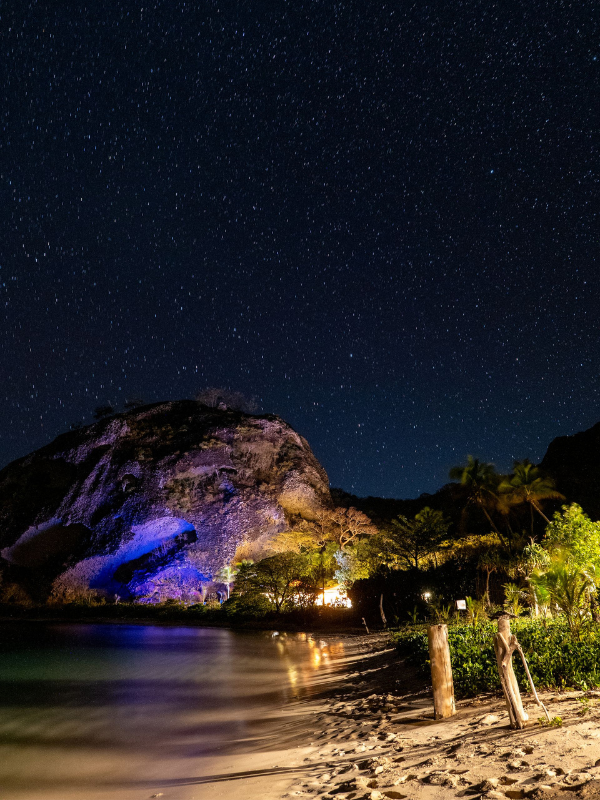
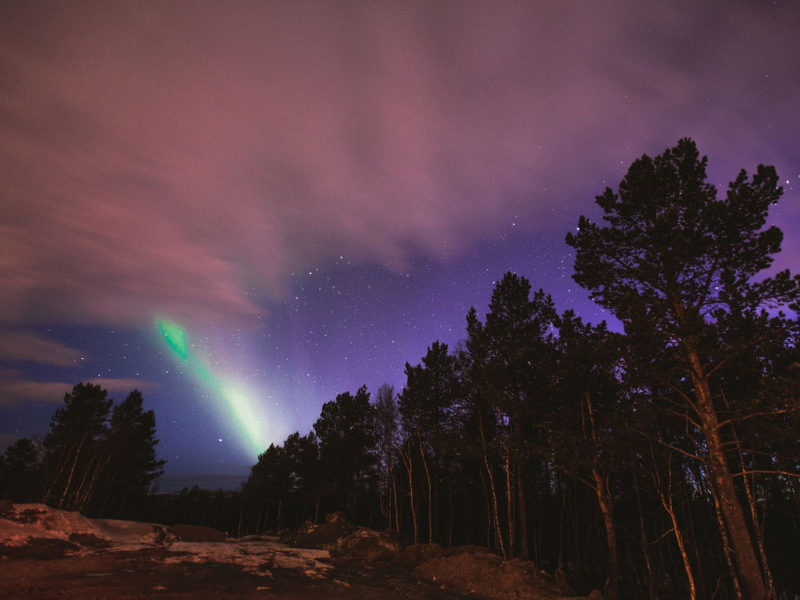
Moving further up north, the fjords in Norway become natural stages under the Northern Lights, where the reflection of the aurora onto the calm surface of the water produces unique experiences. The Matsu Islands in Taiwan feature the phenomenon of “Blue Tears,” which sees thousands of people travel there every year due to glowing algae in the waters.
These destinations can have different geographies and cultures, but they all share a similar philosophy. Instead of depending on spectacle, they invite visitors to slow down, feel darkness and water by means of reflections, movements, and natural rhythms.
In fact, even the city waterfronts are expanding their scope of activities from eating places and entertainment zones to parks and viewing platforms. In addition, it is getting increasingly common for waterfront promenades to remain accessible after dark.
Darkness Has Become Part of the Experience
One reason for this shift is surprisingly simple: people are looking up.
The emergence of dark-sky tourism has caused destinations to preserve their natural darkness as assiduously as they do their scenery. Coastal destinations, where little light pollution occurs, are attracting tourists who are more fascinated by astronomy, photography, and nocturnal ecology than traditional tourism.
New Zealand offers an interesting example. The decision by the Kaikōura region to become an International Dark Sky Sanctuary is not presented in the context of tourism development alone. A planning document by the Kaikōura Dark Sky Trust explains that exterior lighting may cause sky glow, which may reduce the visibility of the night sky. The proposal aims at minimizing the pollution caused by lights to conserve Kaikōura’s unique night sky resources, enhance the habitat of nocturnal wildlife, improve the quality of life for the inhabitants, and develop another tourist attraction for the area.
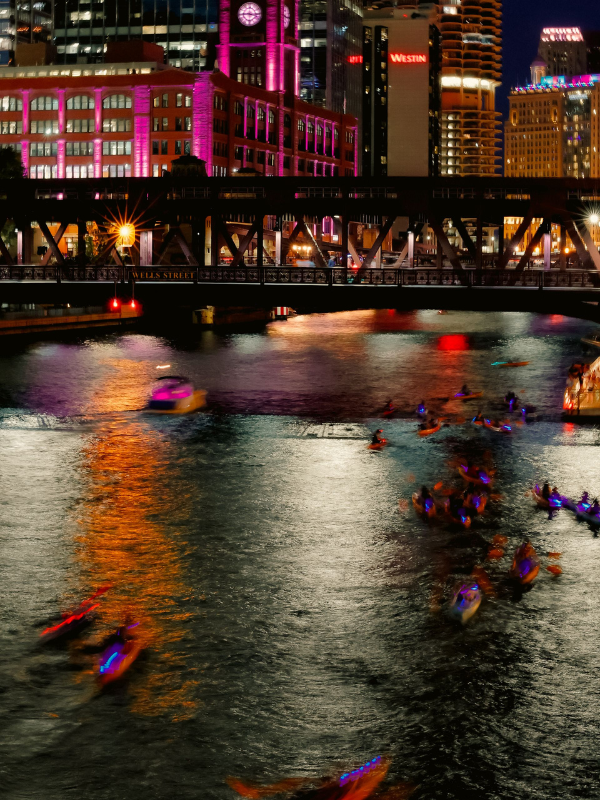
Kaikōura’s efforts are especially interesting for night tourism in aquatic regions. It demonstrates the way a coastal area can perceive darkness as one of the aspects of its environment. In contrast to the idea of lighting up the territory to make it attractive for tourists, Kaikōura instead protects darkness as part of the visitor experience.
This represents an important shift in waterfront planning
Rather than increasing lighting to entice tourists, certain places are making a deliberate effort to decrease lighting for the benefit of wildlife while enhancing the visitor experience.
A Different Kind of Waterfront Economy
Night-time tourism is also impacting the operations of waterfront economies.
There are many beach towns that suffer from high congestion during the day but become very quiet at night. Making use of the night can help in spreading out the time of operation without adding extra tourists.
Also, night tourism plays a vital role in transforming the economy of the waterfront area. Instead of supplementing daytime attraction programs, carefully designed evening programs can extend the visitor experience without increasing daytime pressure. According to the Organization for Economic Cooperation and Development (OECD), engaging cultural spaces, urban public places, and waterfronts during nighttime will reinforce local identity, promote social interaction, and help in achieving economic success if those are inclusive, accessible, and environmentally sustainable.
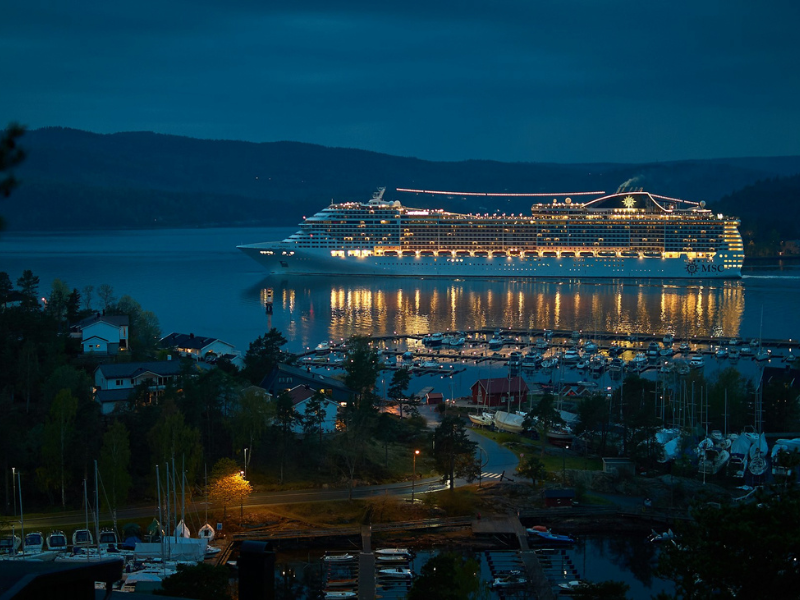
For waterfront communities that are affected by tourism during different times of the year, this presents an opportunity to do all these things at low cost and using existing infrastructure. Night strolls, astronomy, night ferry, performances, and ecotourism can be performed using the same landscape available throughout the day.
It is about extending the value of existing places rather than building new attractions.
Designing for Night Without Losing Nature
Not every destination should be brighter either. Artificial lighting presents significant challenges for coastal ecosystems. Sea turtles, migrating birds, insects, and other wildlife depend on natural darkness to navigate, feed, and reproduce. Unfavorable lighting design can ruin the natural setting of a location that guests are visiting within just seconds. The state of Florida is an example of how proper use of lighting can help in both wildlife conservation and tourism. According to research conducted using satellite imagery by NOAA, over two-thirds of the 368 beaches studied had experienced decreases in nighttime light, whereas nesting of turtles was more common in darker beaches.

The most successful night tourism projects recognize this balance.
Low-impact lighting, guiding, seasonal constraints, and eco-education are becoming just as essential as platforms for visitors and interpretation centers. For instance, at the Mon Repos Turtle Center in Australia, visitor access is carefully managed through guided tours, limited viewing conditions, and flash photography is prohibited to ensure that turtles are not disturbed during their nesting and hatching season. This proves that it is possible to create memorable experiences at night without endangering the wildlife that brings the visitors there.
Low-impact techniques are similarly practiced in the nocturnal wildlife conditions in New Zealand. The Department of Conservation recommends visitors who sight wildlife at night to use a red-light torch, which ensures the individuals get to view native wildlife in a less bright environment. From the foregoing measures, it is evident that memorable night experiences do not depend on brighter lighting, but on thoughtful design.
In this sense, darkness becomes an environmental resource rather than an obstacle.
When Water Finds Its Evening Rhythm
Perhaps the most interesting aspect of night tourism is not that it creates new attractions.
It changes how people pay attention.
A stroll along the bank of a river after sunset, hearing the waves instead of cars or seeing stars appear overhead in an estuary, allows for a different relationship with water. The scenery is no longer about picture-taking but movement, sounds, and tides.
As cities invest in resilient waterfronts, adaptive infrastructure, and public open space, perhaps the future is not just about creating destinations but about allowing people to experience places in ways they have never experienced before.
Water has always adapted to the changing light.
Perhaps tourism is now learning to do the same.
Read More on: