
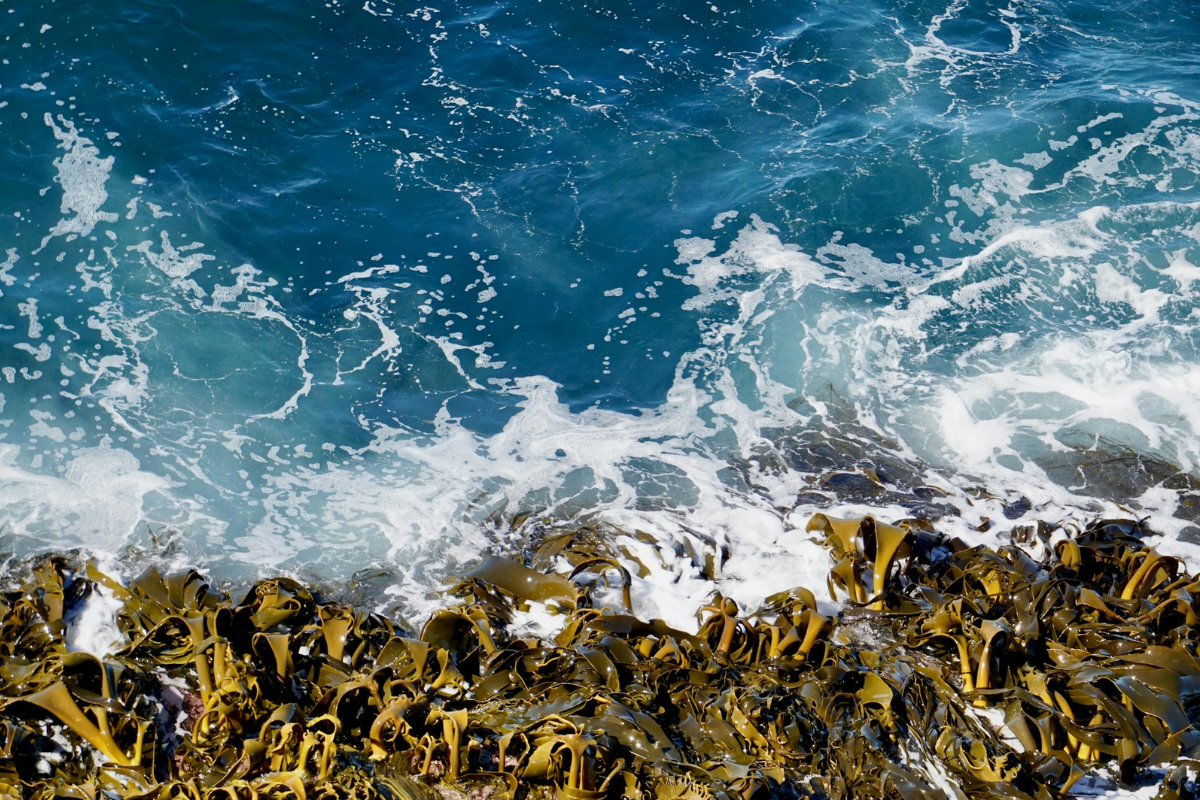

The world population will reach 10 billion by 2050, but the available cultivable land per capita is decreasing. With the increasing stress being put on freshwater supplies and the risks posed by climate change to traditional agriculture, scientists are exploring a novel approach. Could seaweed be the crop of the future?
Unlike agricultural crops, seaweed does not need soil, irrigation, or any form of fertilization to grow, yet it helps fuel an array of industrial sectors beyond food. From being a relatively obscure commodity along the coastline, it is fast becoming one of the most closely monitored prospects in sustainable farming and the blue economy.
Interest in seaweed is growing, driven less by marketing than by expanding scientific research. The challenge is no longer proving seaweed’s potential. It is how that potential will be harnessed.
Today, seaweed is used in pharmaceuticals, cosmetics, bio-packaging, fertilizers, animal feed, biofuels, hydrocolloids, and emerging carbon-removal technologies, illustrating its growing economic value beyond traditional food production.
The Crop That Doesn’t Need a Farm
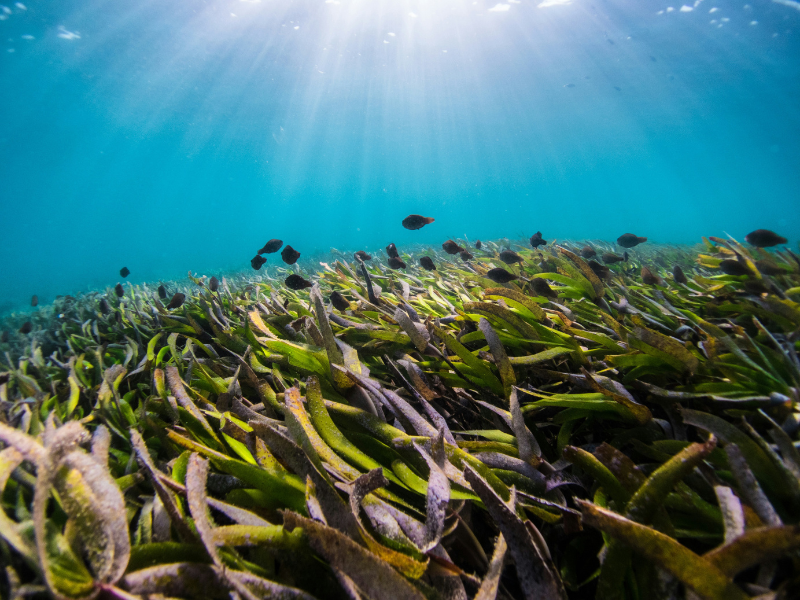
Most crops depend on fertile land, freshwater, and regular nutrient inputs to thrive. Seaweed follows a different path. Growing beneath the ocean’s surface, it uses sunlight and naturally available nutrients in seawater to develop rapidly, making it one of the world’s most productive forms of marine biomass. Today, seaweed farming accounts for around 97% of global seaweed production, supplying approximately 35.8 million tonnes annually and supporting a global industry valued at US$11.8 billion.
This difference is becoming increasingly important. As growing populations place greater demands on farmland and expanding agriculture continues to contribute to habitat loss and biodiversity decline, cultivating crops in the ocean offers an alternative that does not rely on scarce arable land or freshwater resources.
It is this combination of productivity and low resource requirements that has drawn the attention of scientists and policymakers alike. The Food and Agriculture Organization of the United Nations (FAO) identifies seaweed farming as an increasingly important component of sustainable aquaculture, given its potential to strengthen food security and nutrition, support coastal livelihoods, and advance the sustainable development of aquatic food systems through its Blue Transformation initiative.
Why the World Is Looking Beneath the Waves
The future of food cannot depend solely on increasing the production of what we already have. This will involve diversification in food production and sourcing.
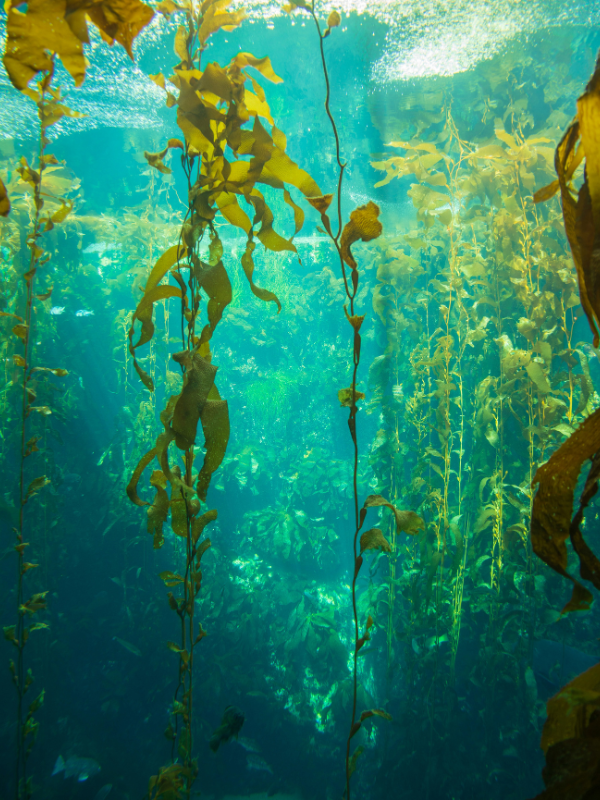
Seaweed’s versatility has attracted attention because it can support food production, animal feed, pharmaceuticals, cosmetics, agricultural fertilizers, and bio-based packaging. Not all plants have this kind of versatility.
Seaweed is now being investigated for its ability to help relieve the burden on agriculture. Seaweed is not meant to replace essential staples like wheat, rice, and maize, but can supplement these staples by helping increase the world’s capacity to grow food, feed, and bio-based products without further straining agricultural land or freshwater. Seaweed farming is one of the strategies mentioned by the Food and Agriculture Organization (FAO) in their Blue Transformation to enhance food security through sustainable aquatic food systems.
The conversation is no longer simply about eating more seaweed. It is about creating more resilient food systems.

The Climate Conversation Is More Complex Than It Appears
Seaweed has become a familiar feature in discussions about climate action, yet the reality is more nuanced than headlines often suggest.
As interest in seaweed farming grows, the United Nations Environment Program (UNEP) identifies it as a promising ocean-based solution that could help address climate change while delivering environmental and social benefits. However, UNEP also stresses that realizing these benefits will depend on sustainable expansion, sound governance, scientific research, and close collaboration with coastal communities.
Environmental organizations also caution against overstating their climate benefits. If seaweed is going to have an impact on climate change, then the way it is grown and utilized will be key. Sustainable growing methods, adequate regulation, and scientific investigation are all necessary to prevent any unforeseen negative impacts.
Rather than presenting seaweed as a miracle solution, experts increasingly describe it as one valuable piece of a much larger climate puzzle.
The New Economy Growing in Coastal Waters
Perhaps the most exciting story surrounding seaweed is not happening in laboratories but in emerging industries.
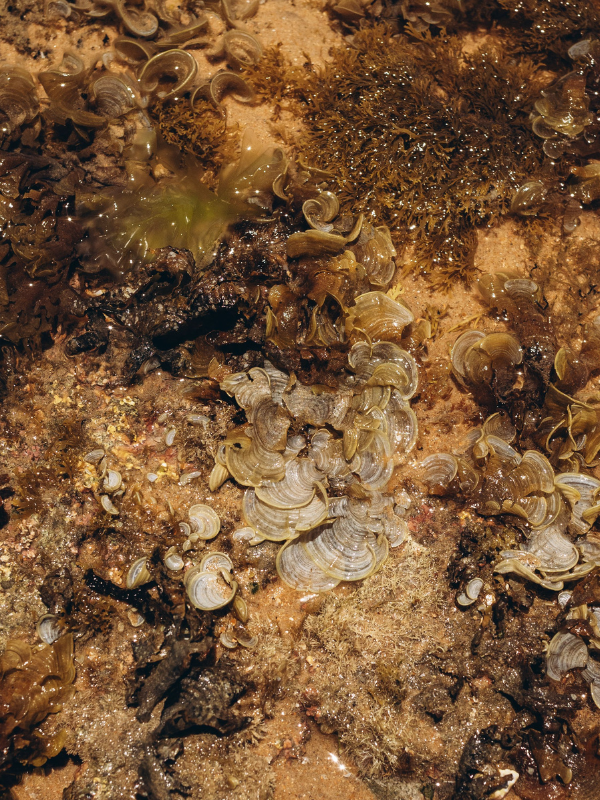
Around the world, companies are transforming marine biomass into products that would have seemed commercially unlikely only a decade ago. Marine seaweeds are now being used to make biodegradable packaging materials, natural crop growth stimulants, cosmetic products, clothing materials, medicines, and biomaterials, thereby reducing dependence on fossil-based plastics.
At the same time, governments are investing in research programs, pilot farms, and commercial infrastructure to support what many see as the next chapter of the blue economy. The World Bank, too, has identified seaweed as one of the fastest-growing opportunities within sustainable marine industries, reflecting growing confidence in its long-term economic potential.
To those living along the coastline, this growth is not just about business innovation. It creates jobs, diversifies income, and offers a path to sustainable economic growth in harmony with marine environments.
Farming the Ocean Responsibly
For all its promise, seaweed is not without challenges.
Scaling production will require careful planning to balance seaweed farms with marine biodiversity, fisheries, and coastal communities. In many areas, processing facilities have not been established, and farming standards are still evolving.
These barriers are not exclusive to seaweed. These are merely the challenges of an industry that is evolving from local tradition to international importance.
Ultimately, what will determine the future of seaweed is not its growth rate but its responsible development.
Looking Towards the Ocean of Tomorrow
If the next generation of agriculture extends into the sea, it is likely to look very different from today’s farms.
Research is increasingly translating into commercial applications. Scientists from CSIRO working alongside Meat & Livestock Australia and James Cook University developed FutureFeed – a supplement made from a native Australian red seaweed, called Asparagopsis. Thanks to its ability to inhibit an enzyme that produces methane in cattle, this supplement showed great potential to reduce greenhouse gas emissions from agriculture while also improving livestock efficiency. The FutureFeed project has been expanded to include the commercial cultivation and processing of seaweed, demonstrating how scientific research can contribute to the creation of a whole new industry.
These innovations suggest that seaweed is evolving from a traditional coastal resource into a cornerstone of future marine economies.
A Future Worth Watching
Seaweed will not replace conventional farming, nor should it. The food production system of the future will be a combination of many different crops and technologies.
But few crops have so many uses at once. Seaweed farming does not require arable land or freshwater. It enables the development of other industries apart from food production. It provides new job opportunities in coastal regions while fostering a more harmonious relationship with the ocean.
Whether seaweed becomes a defining crop of the future remains uncertain, but its contribution to more resilient food systems and coastal economies is already taking shape.
As countries search for more resilient ways to produce food and materials, part of the next agricultural transformation may emerge not from farmland, but from coastal waters.
Read More on: