
Some cities treat water as scenery. Others build entire urban cultures around access, movement, and life on the water. More Americans are returning to water-based recreation, reshaping how cities design access to coastlines, rivers, and urban waterways. In this context, the experience of the best water sport activity is not only about adrenaline or a sporting aspect; rather, it comes down to accessibility and urban planning related to the city’s connection to water. Whether this involves man-made bays, tidal inlets, or lakes, several cities in the United States have become hubs for these interactions.
1. San Diego – Engineered Access, Managed Flow
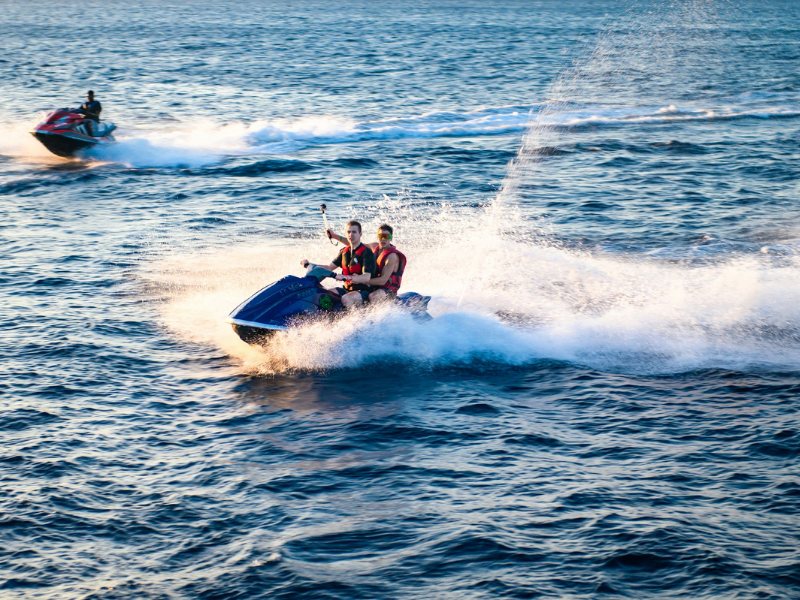
Mission Bay of San Diego is noted as being one of the most complete water sports facilities in America. Covering more than 4,000 acres of secured aquatic facilities, the bay allows for activities such as kayaking, sailing, jet skiing, wakeboarding, paddleboarding, and rowing, all of which take place through a system developed specifically to provide recreational activities throughout the entire year. The Mission Bay Aquatic Center provides introductory lessons in marine-based activities yearly and over 30,000 individuals just last year, highlighting the city as both an access point and training area for water sports enthusiasts. San Diego City’s official parks management system regulates recreational boating areas and maintains safety standards within one recreational water area.
Mission Bay’s recreational infrastructure helped shape a broader Southern California culture built around surf, skate, and outdoor movement. Tony Hawk, born and bred in San Diego, has strong ties to the surf and skate scene there, whereas Shaun White, although not from San Diego, has his roots in Southern California and frequently mentions coastal sports culture there. According to White,
“There’s only so many places in the world where you can wake up, go to the mountains, go snowboarding, come back down, go skateboarding, and then catch a sunset surf with your friends. I’m really a product of my environment.”
2. Honolulu – Practice Within Culture
The water sports culture in Honolulu is embedded within an even more enduring history of community, coastline, and custom. Surfing in Waikiki is not just for leisure; it still has connections to Hawaiian culture and the sea. In addition to surfing, the coastline allows activities like snorkeling, outrigger canoeing, paddle boarding, and swimming in the ocean all year long, thanks to the warm tropical climate and the safety of the reefs. Among the significant individuals from the Hawaiian surfing scene are Duke Kahanamoku, while some of the most famous surfers like Kelly Slater have acknowledged the importance of Hawaiian waves, especially the Pipeline break and O’ahu reef breaks, to their surfing skills.
Honolulu is also home to significant marine sports events that emphasize its reputation as a world center for aquatic sports activities. Some of the notable examples of such events include Duke’s OceanFest and Hawaii’s North Shore surf season, which draw top surfer talent annually. Nevertheless, the popularity of the area also leads to certain problems, especially related to overcrowding at Waikīkī’s reef spots by both surfers and tourists.
3. Miami – Layered Water Systems
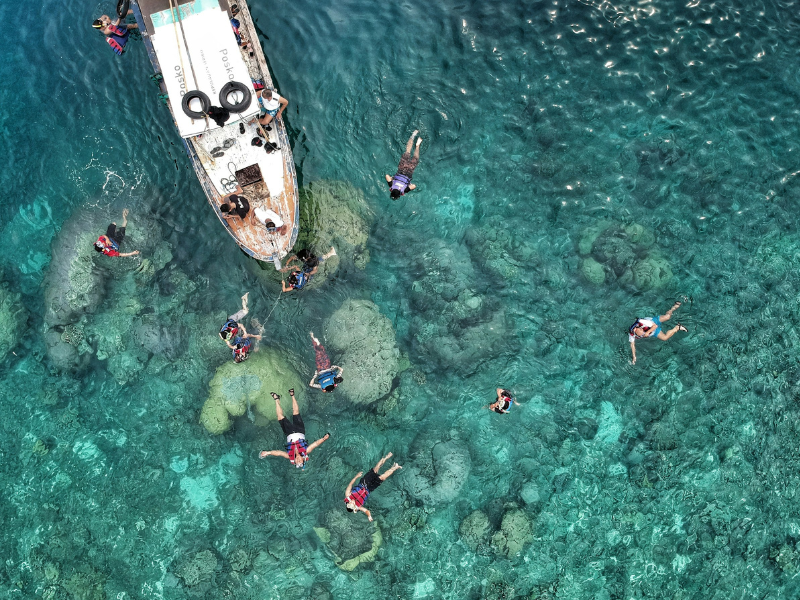
The recreational watersports in Miami are influenced by the biodiversity. The ecosystem, comprising Biscayne Bay, the coral reef systems, the barrier islands, and the mangrove waters, provides for watersports such as kayaking, snorkeling, paddleboarding, kiteboarding, sailing, and jet skiing. Examples of such places include the Biscayne National Park, which preserves 173,000 acres of marine habitat and demonstrates the synergy between recreational activities and conservation efforts.
The seaside culture of Miami is now also a significant component of its international identity. Inter Miami CF co-owner David Beckham has played a crucial role in positioning Miami as an entertainment city developing at a rapid pace, especially through initiatives associated with Inter Miami CF and Miami Freedom Park.
However, the influx of tourists and boat enthusiasts still puts strain on coral reefs, shallow waterways, and marine facilities, particularly during the busy winter months. To address this problem, conservation organizations and government agencies have launched additional initiatives to restore reefs and safeguard Biscayne Bay.
4. Austin – Inland Reorientation
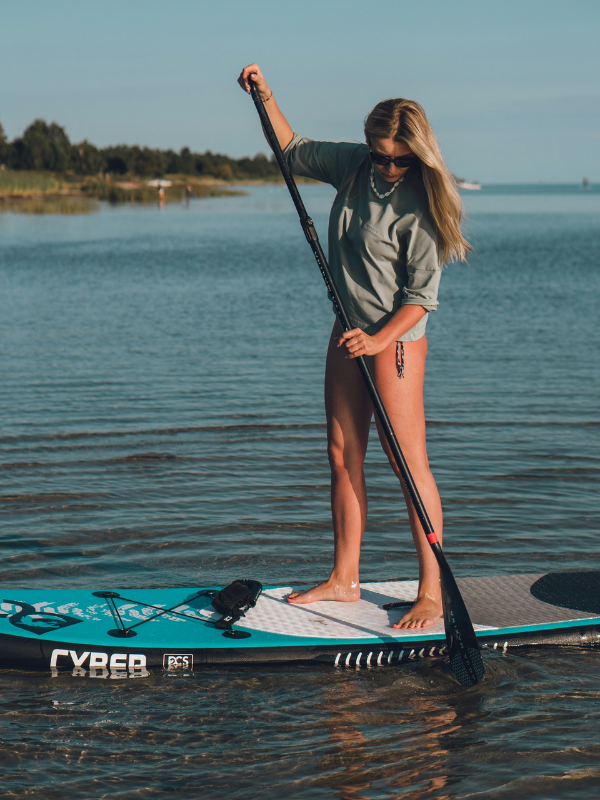
Austin demonstrates how inland cities can integrate water recreation into daily urban life. The lack of proximity to the coast has not stopped the city from making Lady Bird Lake into a crucial route for recreation on the water, where kayaking and paddleboarding have become part of the city’s regular routine, and not only a seasonal pastime. Almost half of all craft activity on Lady Bird Lake has been attributed to paddleboards in a capacity assessment conducted by the City of Austin. Commuters, tourists, exercise enthusiasts, and guided tours all make use of the same route throughout the day, cementing Austin’s place as one of the top paddleboarding hubs inland.
Austin stands out not for its intensity, but for its integration. In Austin, the water serves to be a part of the daily urban commute, surrounded by skyline vistas, walking paths, and opportunities for year-round paddling. However, increased activity in the summer season also means environmental stress. Beginning from 2019, several incidences of algae blooms have been observed in some sections of Lady Bird Lake, leading to the issuing of health advisories by the city authorities as well as the implementation of an initiative by the City of Austin aimed at preventing further proliferation of algae, which costs about $300,000 each year.
5. Seattle – Cold Water, Living Systems
Seattle’s water culture is shaped by cold-water conditions, seasonal shifts, and constant interaction with working marine systems. Bounded by Puget Sound, Lake Union, and Lake Washington, Seattle accommodates kayak activities, paddleboarding, rowing, and sailing amid ferry services and port operations. Marine life, such as seals, orcas, and other marine creatures, is also an integral part of the activity. The Seattle paddling community benefits from events like Seafair, and the Washington State Ferries service accommodated over 19 million passengers in 2024 on its maritime routes.
The seasons have a profound impact on the culture of water sports in Seattle. The summer months tend to be more favorable for outdoor activities, with milder weather, extended days, and increased participation in watersports in Puget Sound. In contrast, winter demands that water sport participants be aware of factors such as tides, winds, and cold water. Temperatures in Puget Sound rarely exceed the mid-50s, while many of the state’s bodies of water stay below 60°F (15°C).
6. Chicago – Water as Perspective
The city of Chicago has a duality in its relation to water through two distinct systems that influence movement in separate ways. In Chicago, the river compresses movement into narrow architectural corridors, while Lake Michigan opens the city outward into weather, distance, and exposure. These two elements create two different readings of the city.
Movement on the river utilizes kayaks and rowing shells as vehicles to navigate under bridges and skyscrapers, placing the participant at the base of the urban structure. On the other hand, swimming in open water and events like the Chicago Triathlon turn the movement towards exposure, distance, and climate.
During the summertime, both zones are layered in their function. In the river zone, architectural boat tours, rented boats, rowing clubs, and recreational paddling all meet in the center of the river, whereas the lakefront zone collects seasonal events and recreational use.
This overlap changes how recreation, infrastructure, and public space operate together within the city. Chicago’s water culture is shaped less by escape and more by constant proximity to the lake and river systems.
7. St. Petersburg – Accessible Warm-Water Systems
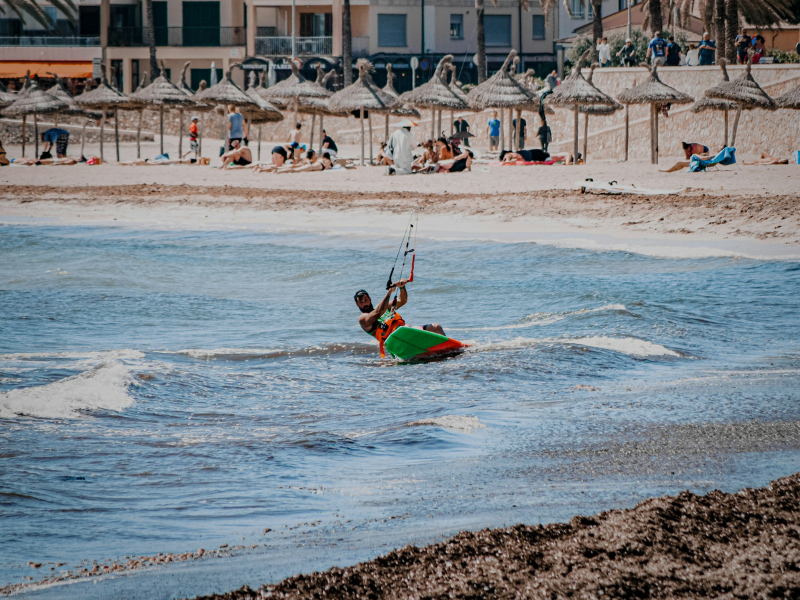
St. Petersburg – Clearwater is home to one of the most convenient places for water sports in the country. Warm water, calm coastal conditions, and year-round access have made St. Petersburg one of the country’s most active recreational waterfronts, attracting almost 14.99 million tourists annually in the St. Pete – Clearwater area by 2025.
But access, as one would imagine, brings density as well. During high traffic times, marinas, beach access sites, and nearshore recreational areas will see an influx of seasonal tourists along with residents. Seasonal programs and events connected to swimming, boating, and beach activities will keep expanding in the Gulf Coast region, further defining its nature as a waterscape for leisure activities. Unlike the more intense water sports of Clearwater Beach and the Tampa Bay region, what distinguishes St. Petersburg – Clearwater is how easy it is to incorporate water into people’s daily lives.
Reading Water Use Across the U.S.
However, the best water sports experience in cities in the U.S is not always just about water. Instead, it lies within the interplay between geography, infrastructure, climate, and culture – the ways cities structure their access to waterways and beaches. In all these U.S cities, water is more than merely recreation; rather, it is a part of the larger system influencing transport, tourism, culture, and the natural environment.
What ultimately becomes clear is an evolving relationship between the city and its water. The very same waters that provide leisure opportunities can accommodate crowdedness, environmental strain, and seasonal demand. Even under environmental and seasonal pressure, these waterfronts continue to function as places where cities reconnect with movement, climate, and public life
Read More On: