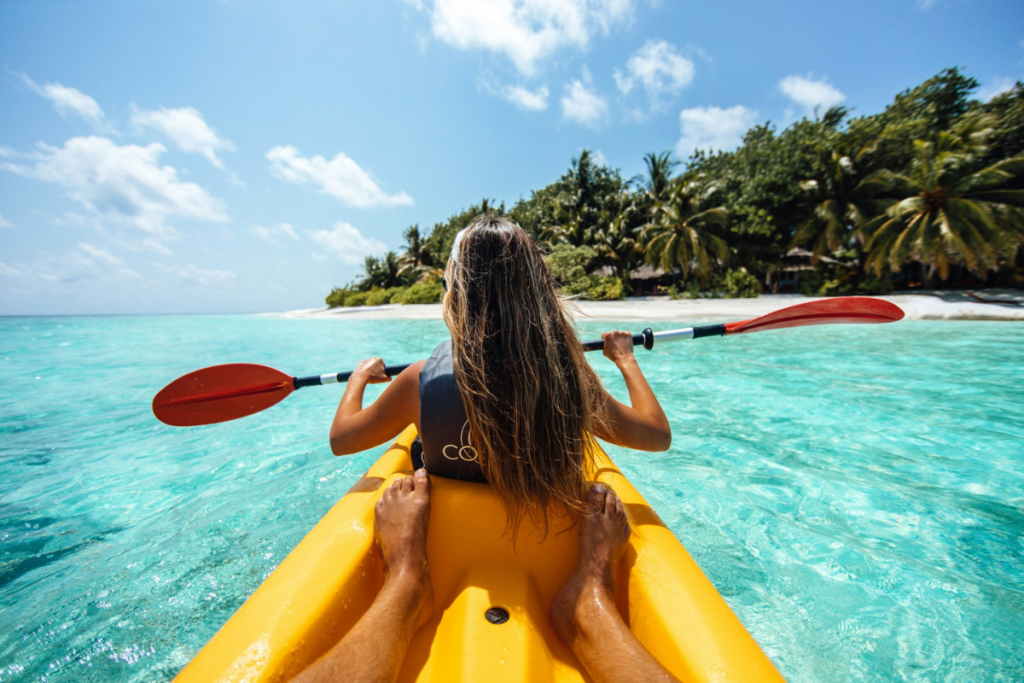
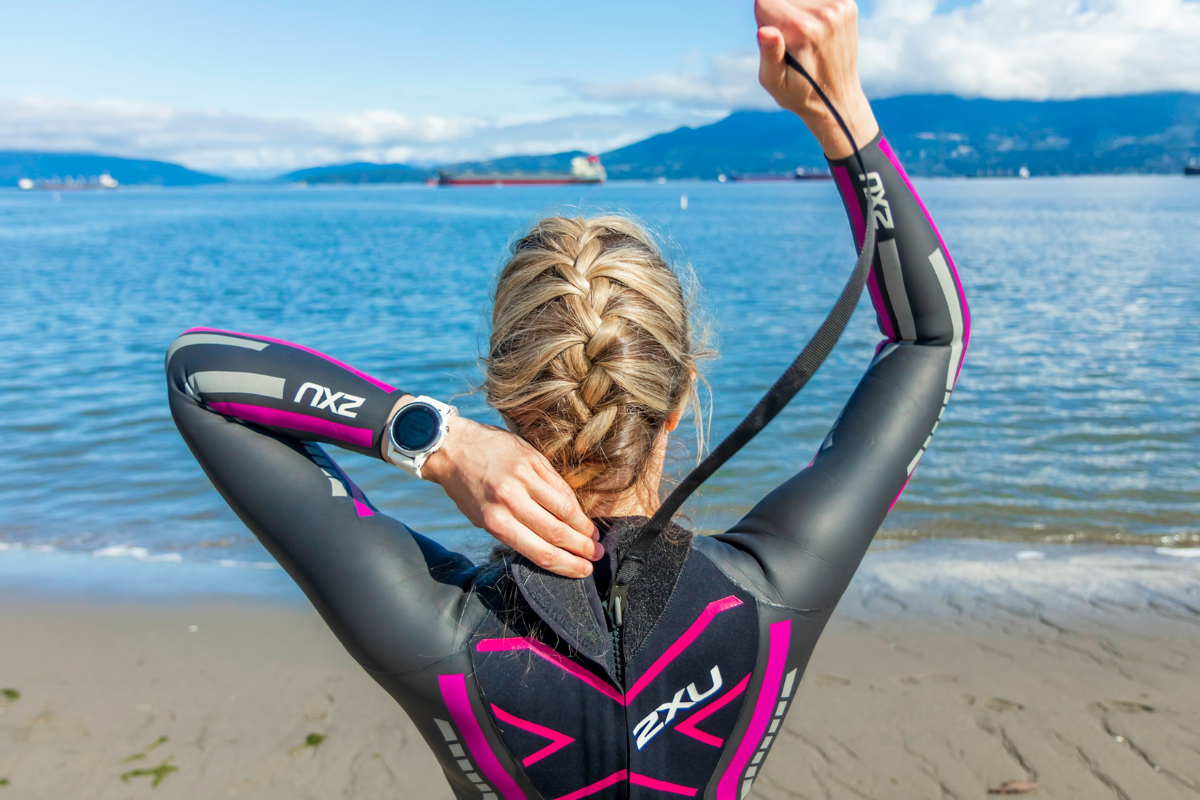

The world of open water swimming is no longer on the fringes of the sport and lifestyle. More than four million adults swim in lakes, rivers, and oceans every year, with regular participation rising more than two-fold in the last ten years. Open water swimming has moved beyond endurance sport into a broader cultural and environmental practice.
This can be seen not only in the numbers but also in the intent behind open water swimming. Performance is no longer the only focus. Many swimmers now use open water to engage directly with natural conditions rather than treat it as a backdrop.
From Sport to Seasonal Public Ritual
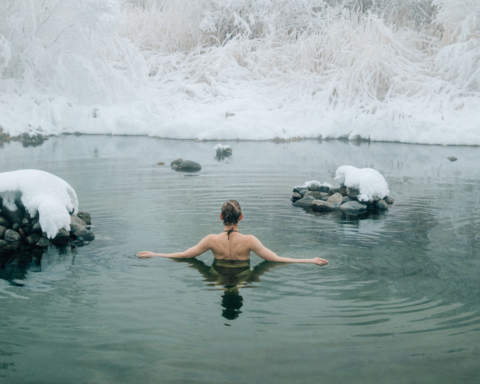
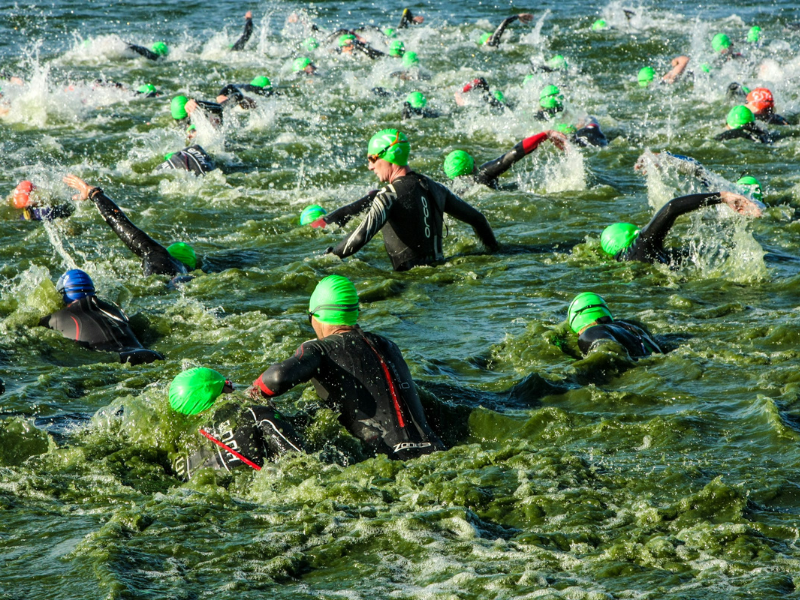
The practice of open water swimming in Europe is now governed by a seasonal pattern in response to the bathing season under Europe’s water policy. From late spring till early autumn, when the majority of the monitored bathing sites are operating, and 85% of the bathing zones achieve excellence, while all of them meet the minimum water quality criteria, lakes, rivers, and city waterfronts become temporary gathering spots for swimmers.
In London, the annual Swim Serpentine is one of the most significant ways in which this migration occurs, bringing thousands to an enclosed yet open environment in Hyde Park. While this event continues to thrive, others are also growing, making this experience more accessible. For instance, in Dublin, a recent swim covering two kilometers down the River Liffey attracted approximately 300 swimmers of different ages and skill levels. The route wound its way through the docklands of Dublin, linking modern infrastructure to established rivers. The event was assisted by volunteers, safety personnel, and local organizations. The focus was not on competition but participation – in other words, entering the water in a city together.
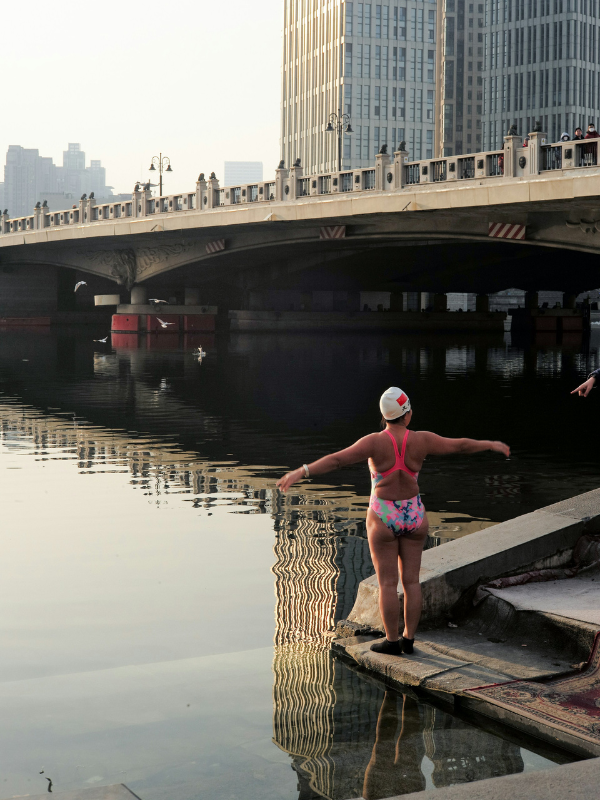
The outcome of such events is not just an athletic activity, but a public ritual. Swimming becomes a temporary way of repossessing water as a communal space.
Participation and the Broadening Edge
Participation data shows sustained growth in open water swimming over the past decade. Over the past ten years, outdoor activities have involved 34.3 million individuals, representing a growth of more than three million and an especially significant increase in participation among both elderly and women participants. Among outdoor activities, open water swimming has become one of the most widely practiced, with over 4 million people entering lakes, rivers, and seas each year, and regular participation rising from around 266,000 in 2016–17 to 543,000 in 2023–24.
This trend has redefined the nature of the sport itself. The discipline now spans casual short-distance swimmers to those pursuing marathon events.
In between them, there is a range that allows one to progress slowly but surely.
Swimming Through the City
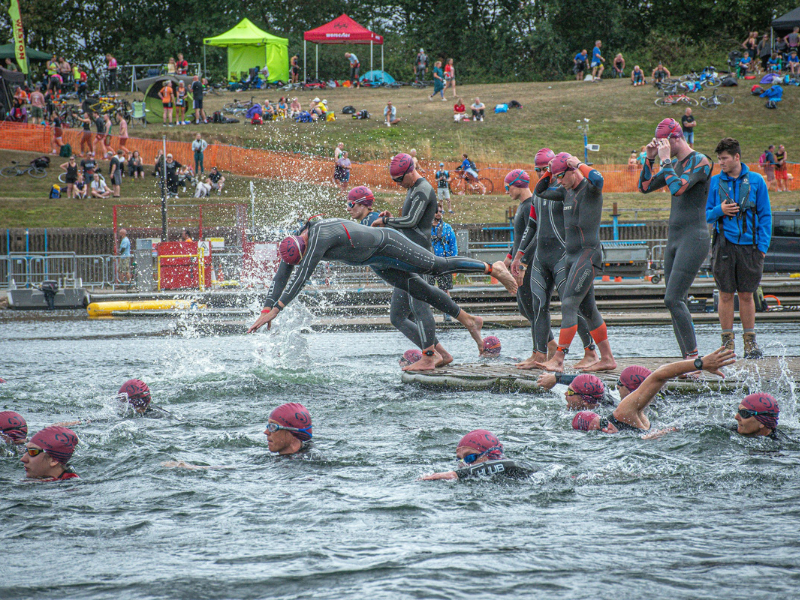
The connection between swimming and infrastructure gained international attention through the 2024 Olympics’ marathon swimming event held in Paris. The race was shrouded in uncertainty beyond just the athletes’ physical abilities. Training sessions were canceled before the race because the water samples failed to meet the required safety standards, due to high bacterial levels from sewage runoff after rainstorms.
As the race resumed, the swimmers had to cope not only with the rigors of distance but also with the uncertainties of the river network, which was influenced by currents, pollutants, and the urban environment. The test for many was as much a matter of adaptation to the surroundings as it was of competition within them.
The Seine functioned not just as a racecourse, but as an indicator of the city’s environmental condition. No longer was it a matter of whether the swimmers could manage the race, but whether the river could sustain it.
The Limits of the Individual
At its extremes, open water swimming tests both physical limits and the conditions of the environments it moves through. In 2025, Michael Moreau from New York swam the distance of 28.5 miles around Manhattan Island in under ten hours while wearing handcuffs.
This meant he had to rely heavily on his legs to move through currents and amid intense boat activity. However, this does not change the importance of the venue. When you go around the island of Manhattan, you will be moving along rivers that have as much controversy surrounding them as they do fame. For spectators, the challenge is not only about how far the human body can go but also about what it means to navigate such contentious waters.
An Expanding Water Economy
Open water swimming can be measured in ways other than participation rates. Market Intelo stated that the global market for open water swimming competitions is estimated to be worth about 1.2 billion dollars in 2024 and will reach 2.1 billion by 2033. The scale of this growth can be attributed to its connection to the health, tourism, and outdoor activity industries.
Meanwhile, increased involvement is creating a need for gear that caters to open environments. The use of safety gear, such as swim buoys, which was previously insignificant, has become essential in open water swimming. In fact, the market value for this kind of gear is already close to one billion dollars worldwide. This growth positions open water swimming within a broader system of tourism, safety infrastructure, and consumer markets.
Water Quality and the Conditions of Access
Perhaps nothing epitomizes open water swimming more than its dependence on water quality. Swimming depends on variables that remain hidden until one actually jumps in. A sudden spell of rain could saturate the urban drainage system, causing an outbreak of bacteria. Changes in temperature and nutrient run-off may cause an algae bloom. These factors directly determine when and where swimming is safe.
As a result, open water swimming has become a data-intensive activity. Decisions about where and when to swim are based on real-time data. Swimming increasingly depends on real-time environmental data and risk assessment.
The above suggests a much broader implication. Open water swimming does not exist apart from natural processes; it is part of them.
Reading Water in Motion
Open water swimming now sits at the intersection of infrastructure, climate, and public access. It demonstrates the importance of physical fitness and the significance of belonging. While dependent on infrastructure, it simultaneously disrupts traditional infrastructures. It relies on the effects of climate while also displaying them.
What distinguishes it is how it reveals the condition of the water, not just the act of open water swimming itself.
Each foray into open water becomes a way of reading. Does the water provide safety? Does it offer accessibility? Is it still part of the shared world?
In this respect, open water swimming transcends the realm of sports and rituals. It takes place within broader ecological, political, and cultural frameworks, moving in response to the rhythms of these systems and making them real through personal experience.
Entering the water becomes a direct encounter with environmental, infrastructural, and social conditions.
Read More on: