


Water does not expire, but it does change. Time spent in pipes, tanks, bottles, and buildings subtly alters water’s chemistry, biology, and sensory character. This article examines how “water age” shapes what we taste, trust, and take for granted.
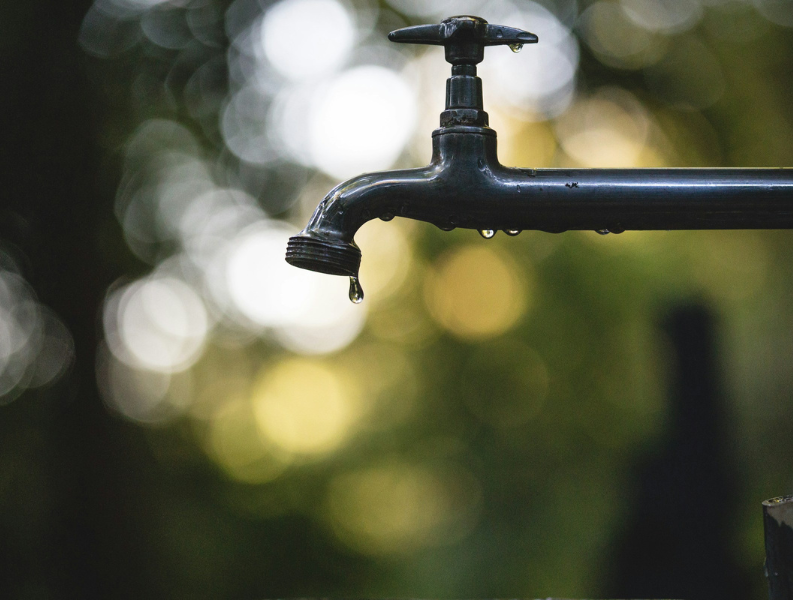
Water moves endlessly through natural and built systems, yet much of its life is spent waiting. Between the treatment plant and tap, reservoir and household container, water often sits still. Engineers call this interval water age – the length of time water remains in a system before it is used. While the term sounds abstract, its effects are tangible – shaping taste, quality, and the microbial environments that develop around it.

Time Inside the Network
Water age describes residence time in drinking water systems. A 2025 issue published by Water Resources Management described water age as an operational concept for measuring quality, especially where flow speeds or rhythms are slow or inconsistent. Terminal pipe branches, oversized pipe systems, and areas of minimal usage often experience aged waters despite secure overall supplies.
The challenge is that water use shifts constantly – by hour, season, and setting. In a sense, the water ages are not uniform or steady. However, the research proposes a statistical model (STATWAGE) that would predict where the old water has the highest probability of being. This approach can be part of a wider pattern that allows a shift away from static thinking.
Subtle Chemistry, Gradual Change
Water molecules are chemically stable in terms of composition over a long period of time. The water molecule itself remains stable; what changes over time are the dissolved gases and trace elements it carries. According to the National Academies Press, as disinfectants sit in a container of water, any residuals slowly leach from solution. Dissolved oxygen slowly leaks from solution in water sitting in a container. Carbon dioxide from air in a container slowly dissolves in still water, gently lowering pH.
This is a gradual and harmless change in the water over time. However, it will affect the way the water looks. Stored water often tastes flatter or less bright than freshly drawn water. Freshness here is not an indicator of purity but of activity. Freshness, in that sense, isn’t a sign of safety, but of motion. Flow keeps things in balance, while stagnation lets chemistry set.
The Living Layer
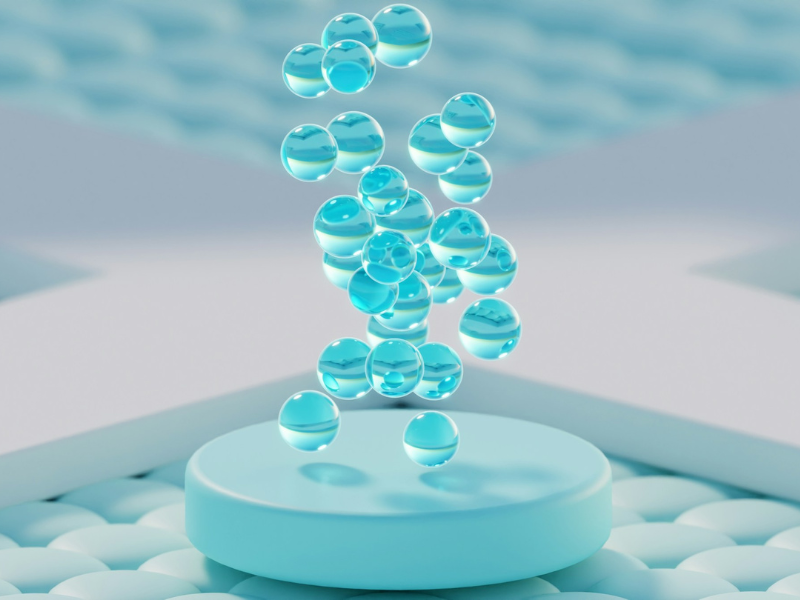
Biology adds another layer, for the most part invisible. A 2024 study published in npj Biofilms and Microbiomes examined how elevated water age influences microbial life in simulated distribution systems. As residence time increased, microbial abundance rose significantly, even as disinfectant levels fell.
Crucially, most microorganisms in drinking water systems do not float freely. More than 90% reside in biofilms lining pipe walls-thin, resilient layers that protect microbes from chemical and hydraulic stress. Water age influences how active these biofilms become, shaping microbial communities without necessarily creating acute health risks.
This dynamic was emphasized during the COVID-19 pandemic, for instance, when buildings were closed and residence times increased. The finding emphasizes water age as an ecological factor within infrastructure, not solely a technical metric.
Storage Beyond the City
The same is true when viewed domestically. In “Environmental Systems Research,” a review carried out in 2021 on water storage in households from diverse regions of the world showed that storage practices and the nature of storage containers affect water. The authors showed that water is affected differently when stored in plastic, metal, and concrete containers.
Nonetheless, the over time stagnant water likely loses its decontamination coverage as it indicates more microbial activity. Nonetheless, the review suggests an absence of clear worldwide advice regarding storage length or cleaning schedules – despite the ubiquitous usage of stored water worldwide.
In practice, water stored in this way is safe to drink after several months, though taste may change earlier. Safety and freshness begin to diverge much before danger appears.
Bottles, Materials, and Time
With commercial water bottles, packaging also becomes a crucial factor to consider. The “use by dates” established on such packaging often do not relate to the water itself, but to external or packaging-related factors. For example, water bottles made out of plastic and exposed to high temperatures often have certain chemicals leached into the water over time. One may detect such changes in taste.
Here, water age intersects with material design. Glass and stainless steel remain inert. Plastic does not. Freshness becomes as much a question of container choice as of time.
What Water Age Reveals
Water does not age through decay, but through stillness. Its character shifts with time spent waiting, shaped by temperature, materials, and motion. Water age is not a flaw in infrastructure, but a condition of it, linking design decisions to everyday experience. Each glass reflects how long water has moved, or remained still, within the system that delivered it.