
Water pollution rarely begins at the shoreline. It starts much earlier, within systems that appear clean and controlled. In Central Texas, treated wastewater that appeared clean contributed to algal blooms that spread for miles and disrupted river systems. Our definition of water pollution has mostly been what we see when it reaches the water body, while, in an actual sense, it all started upstream.
The origins of water pollution are best understood by looking upstream, not only in location, but in how water systems are designed and managed.
Before the River: Land, Drainage, and Design
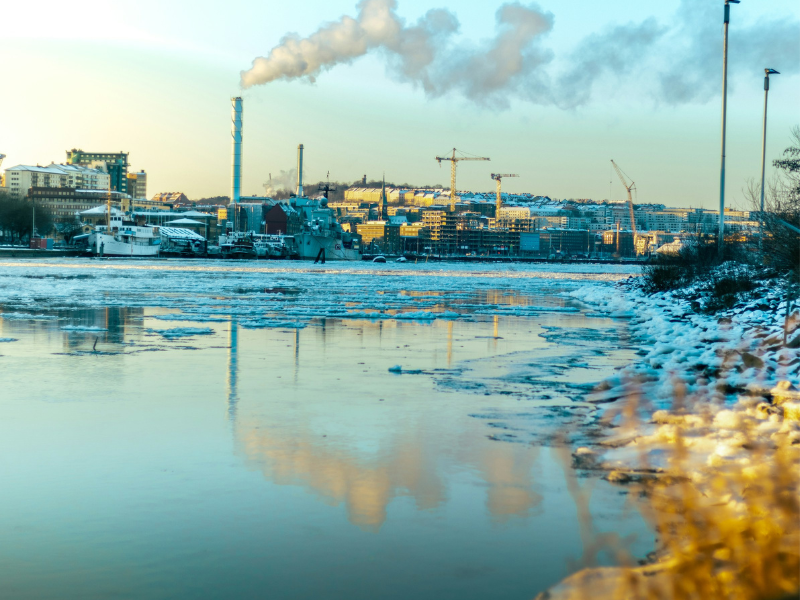
Pollutants are introduced into waterways much earlier than their effects become noticeable. Water travels across urban areas, absorbing pollutants such as oils and metals. Agricultural runoff contains fertilizers, which are rich in nitrogen and phosphorus, as well as waste from livestock. While these pollutants might seem innocuous initially, they can change the chemical composition of the environment, causing algal growth.
Just like agriculture, urbanization works in a similar fashion. Cities are designed to move water quickly, and in doing so, they also accelerate the movement of pollutants. Roads, roofs, and pavements are used as channels through which the runoff drains straight into the drainage systems, and from there, it flows into rivers. According to the United States Environmental Protection Agency, stormwater runoff pollution is one of the biggest challenges facing the quality of water, whereby rainfall on an urban surface picks up oil, heavy metals, and chemicals as it drains into the river system.
What appears to be efficient urban drainage often functions as a rapid pathway for pollutants to enter waterways.
This is also true when observed on a global level. The UN Environment Program states, pollution of freshwater resources is most commonly caused by agricultural waste products, untreated sewage, and urban run-off, which are processes that continuously happen before reaching the water sources.
The Role of Wastewater: Treatment and Its Limits
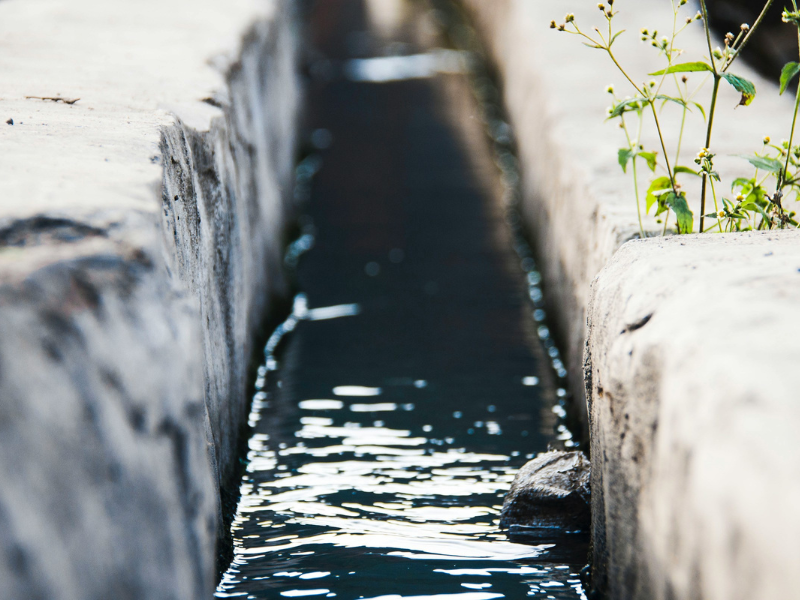
The treatment of wastewater is commonly considered to be the last line of defense. In many nations, great progress has been made in terms of infrastructure, resulting in millions of liters of water being treated daily. In the US alone, 34 billion gallons of wastewater undergo treatment every single day. In Europe, the bulk of the urban wastewater undergoes treatment in compliance with standards with a water framework directive in place.
However, treatment cannot remove all forms of contaminants from wastewater. Nutrients, microplastics, pharmaceutical waste, and other chemicals can remain despite treatment facilities having been constructed specifically to treat organic waste. Rather than raw sewage, the issue is partially treated water, where certain contaminants persist and accumulate over time.
As per the report of the World Health Organization, at least 1.7 billion people in the world consumed water from sources containing fecal matter in 2022, where microbes were considered to be the biggest threat for safe water consumption. This clearly shows not only deficiencies in water availability but also the constraints within the existing system of treatment that does not filter out all contaminants.
Contamination stems not only from failures in treatment, but from the limits of what these systems are designed to remove.
Invisible Pollutants and Distributed Sources
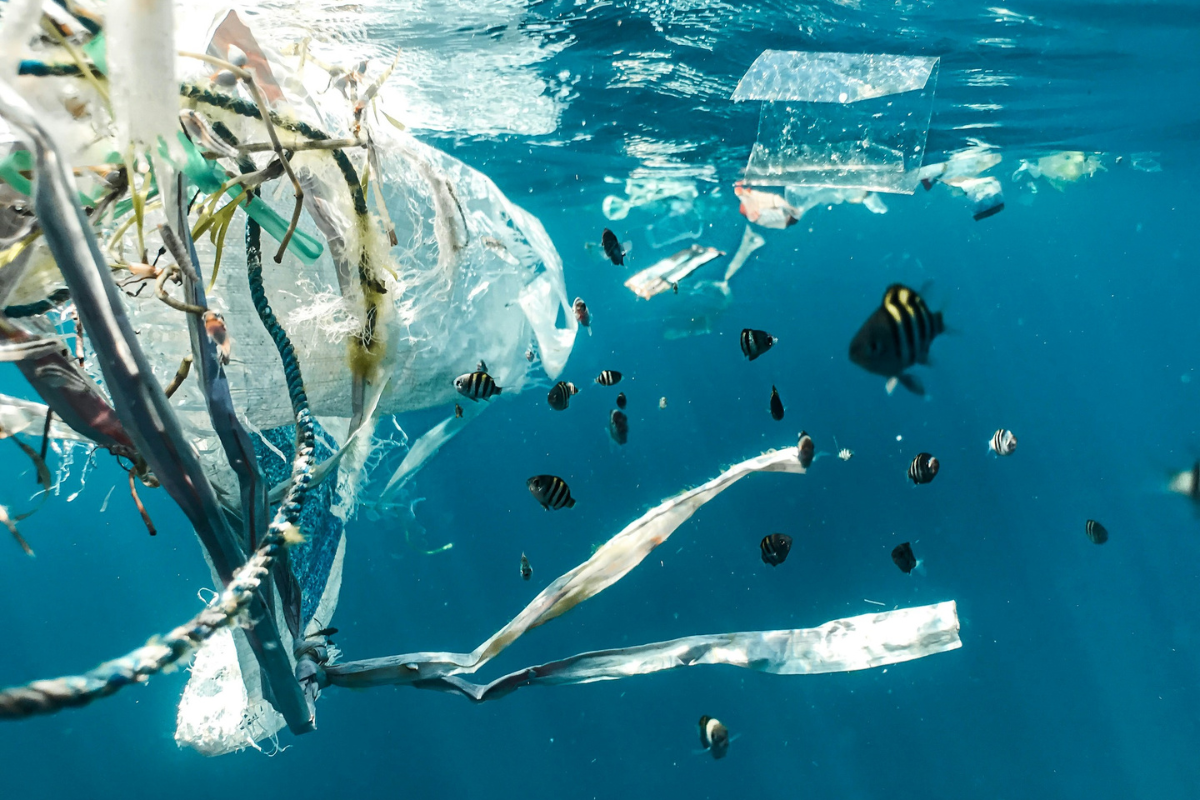
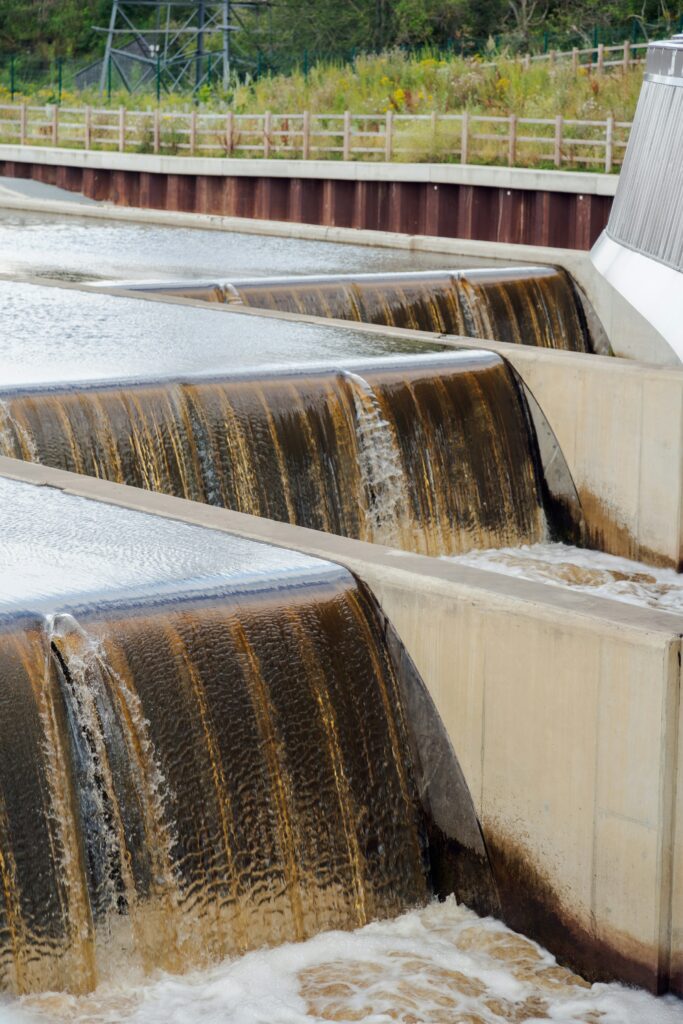
Water pollution is often understood through visible contaminants like plastics and oil. However, scientific studies reveal that there are other types of water pollution that exist and have an equal impact on the ecosystem as those mentioned above. For instance, studies conducted on microplastics indicate that water carries various chemicals and tiny plastic particles invisible to the naked eye, but which can affect the ecosystem and water quality.
Research conducted by the United States Geological Survey indicates that the presence of pharmaceutical waste in the water is sourced from several factors. Wastewater from pharmaceutical production sites can contain medication concentrations up to 1,000 times higher than typical levels. Additionally, pharmaceuticals reach the water via animal effluents and ordinary consumption by people, where medication passes through filtration processes that do not completely eliminate them.
Pollutants from wastewater are one of the biggest contributors to water pollution in Canada, according to government reports that reveal wastewater treatment plants release large quantities of some specific metals, such as mercury and lead. While these pollutants may not cause immediate changes, they have long-term effects on ecosystems as well as human beings.
Pollution does not originate from a single source, but from a continuous chain of everyday activities.
Infrastructure, Regulation, and Cultural Practice
Different nations adopt various approaches towards tackling this problem. For instance, in Singapore, wastewater is collected and treated in order to be made clean through advanced purification technologies, such that they end up with highly refined water, referred to as NEWater. The result is highly purified water, which increases the availability of water in the country without the need for imports.
New Zealand’s freshwater reporting also highlights that there are ongoing problems of nutrient and microbial contamination in rivers and estuaries. Official government statistics indicate that over 50% of New Zealand’s rivers are affected by either nutrient or organic enrichment, which is typically caused by activities related to humans rather than occurring naturally.
In the European Union, despite the existence of well-developed regulatory structures like the Water Framework Directive mentioned earlier, a substantial portion of surface water still fails to meet ecological criteria, with merely 37% of surface waters reaching an ecological status rating of good to high in 2021. This represents a shortfall whereby around 63% of surface waters were unable to reach the necessary standards. The continuing shortfall indicates that mere compliance is insufficient to address pressures.
Each of these cases raises issues that go beyond those concerning pollution and focus on the management of water as a system.
Rethinking the Starting Point
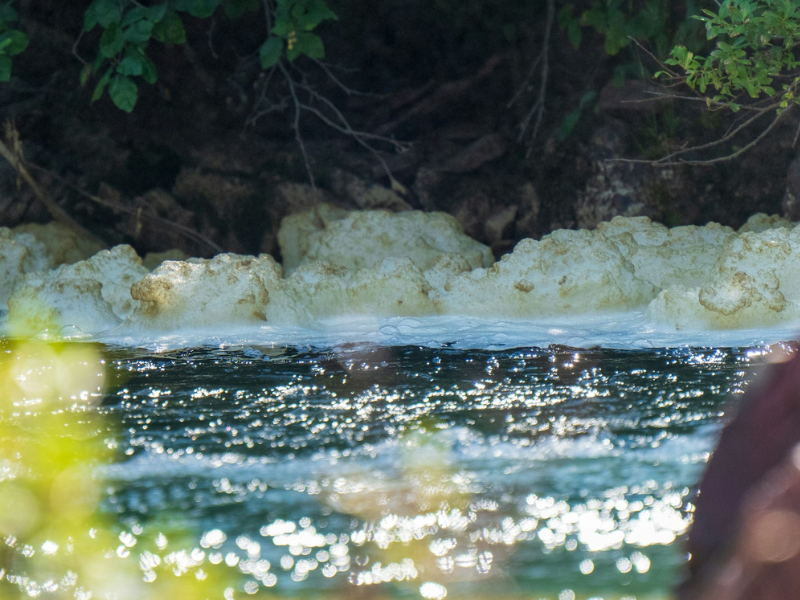
If one were to examine water pollution starting from these layers, then the source of such contamination would not really lie in its place, but in its design. Water pollution would start in fertilizer application, city runoff, the settings of purification systems, and product manufacturing and disposal processes. Similarly, one can refer to the idea expressed by Stephen R. Carpenter regarding how pollution is an inevitable result of land and food use, and also to what is written by the United Nations Environment Programme about how pollution is a result of unsustainable patterns of production and consumption.
With this systems view, water pollution reads less as an isolated incident and more as an outcome of everyday design.
The answer to where water pollution really begins is not found at the shoreline, but in the systems that lead to it.
Read More On: