
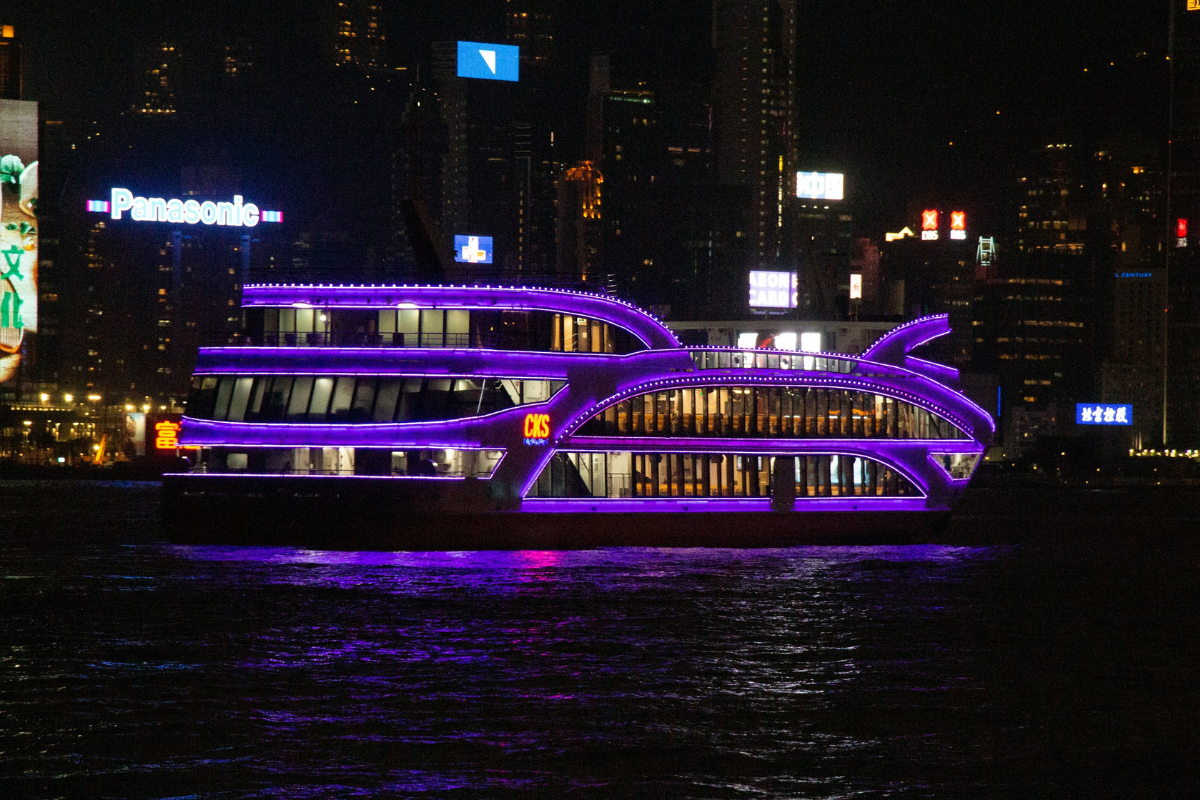

River cruises offer a slower way to move through landscapes shaped by trade, settlement, and long-standing cultural exchange. Routes such as the Rhine, Danube, Mekong, and Nile trace a continuous sequence of cities, vineyards, and river towns shaped by centuries of movement and exchange. The global river cruise market is estimated to be worth approximately $3.1 billion in 2026, with projections suggesting it will be worth almost $9 billion in 2036.
Moreover, in earlier centuries, rivers were used mainly for transportation purposes and for trade. Today, rivers are no longer used for efficiency but for sequencing experience, where the journey unfolds as a continuous progression of place. River travel prioritizes sequence over distance, emphasizing continuity rather than speed.
The Rise of River-Based Travel
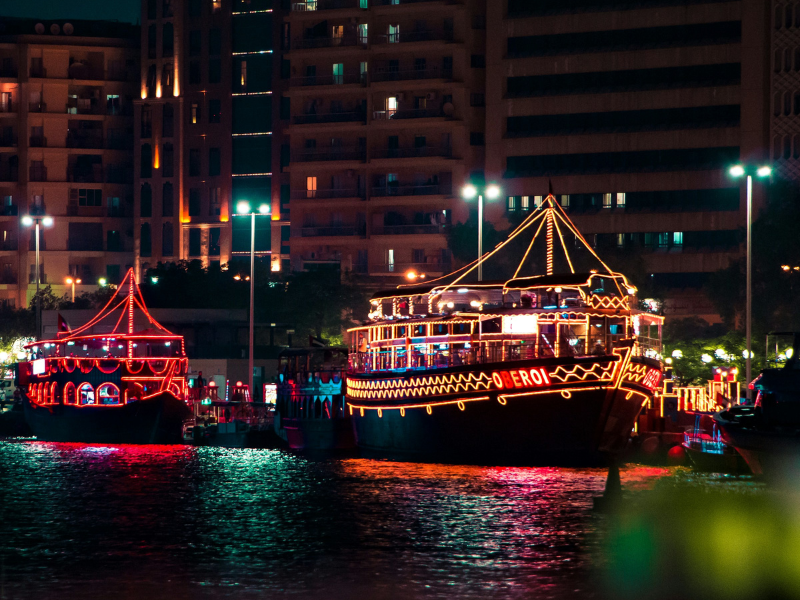
River cruising has grown steadily, driven by demand for smaller-scale travel and closer engagement with place. According to industry organizations such as the Cruise Lines International Association, the river cruise industry has grown by approximately 10-15 percent per year over the last decade, as tourists have opted for smaller ships and cultural experiences.
The region continues to dominate the world river cruise industry. As of 2024, there were more than 408 river cruises running on Europe’s waterways that carried over 60,000 passengers, with the Rhine and Danube serving as the primary river cruise routes. The number of passengers is increasing alongside these investments. In 2024, a total of 1.39 million passengers embarked on river cruises across the continent, generating over €3.54 billion in ticket revenue for the industry. Expansions can also be seen in the industry’s ship fleet. One example is Viking River Cruises’ order of 19 river ships due between 2025 and 2028.
River cruises also fit into a broader trend of expanding cruise vacations. Based on the predictions from the report “State of the Cruise Industry 2025” issued by the Cruise Lines International Association, there were projected to be 37.7 million passengers embarked on cruises in 2025. This would be facilitated by 310 ships cruising in the oceans. River cruises represent a unique sub-sector of the cruise industry characterized by smaller vessels and greater intimacy with the environment.
Unlike ocean sailing, river travel takes place in populated areas. This involves a slow passage through old towns, agricultural areas, and cities instead of through open channels at sea. The river functions as both a route and a vantage point, keeping the surrounding landscape constantly in view.
Cities Seen from the Waterline
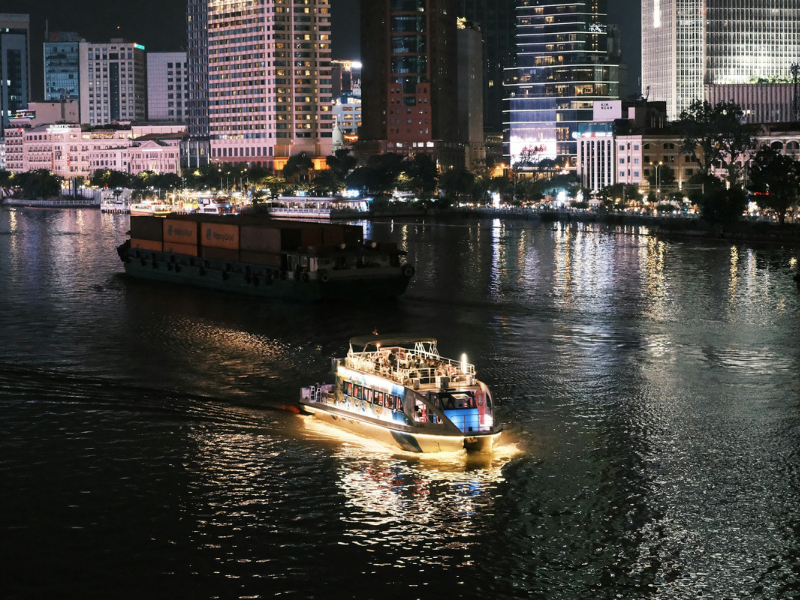
Another hallmark of river cruising is the aspect of closeness. Since rivers flow through cities, cruise ships will dock near the historical center, the museum district, or even the riverside area of each town or city visited. This would be different from ocean-going ships, which would need to be located some distance from city centers because of their size.
Europe’s rivers provide a connection between its capitals and historical towns in a series, all along the same path. A journey with Danube River Cruises could take you from Vienna to Bratislava and even Budapest, while a trip on the Rhine might take you from Amsterdam to Cologne and even Basel.
These towns are also places of cultural importance to visit, not just to pass through. For example, Vienna is known as the home of many composers who created masterpieces inspired by the culture of the Danube region, such as Wolfgang Amadeus Mozart, Ludwig van Beethoven, and Johann Strauss. Many tours will include visits to concerts, museums, and other places where travelers can learn about the cultures of these river cities.
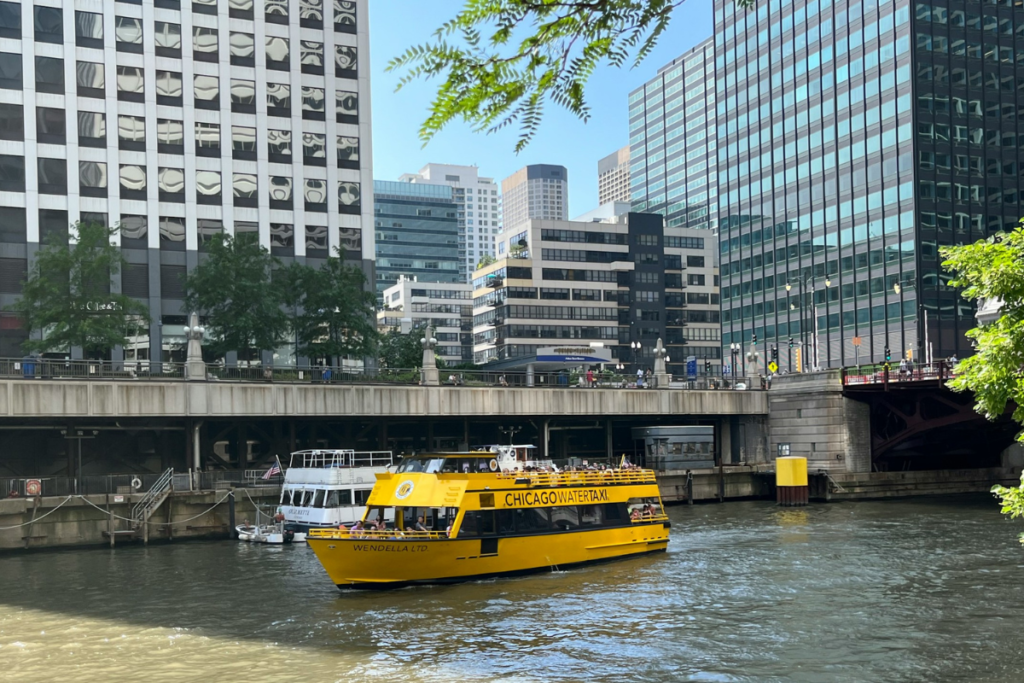
When viewed from a small boat, cities look multi-level. The bridges span the river, the riverbanks form a natural border between the land and the river, and promenades line the banks. From the waterline, cities can be understood in relation to the river that shaped them.
Small Ships and Slower Movement
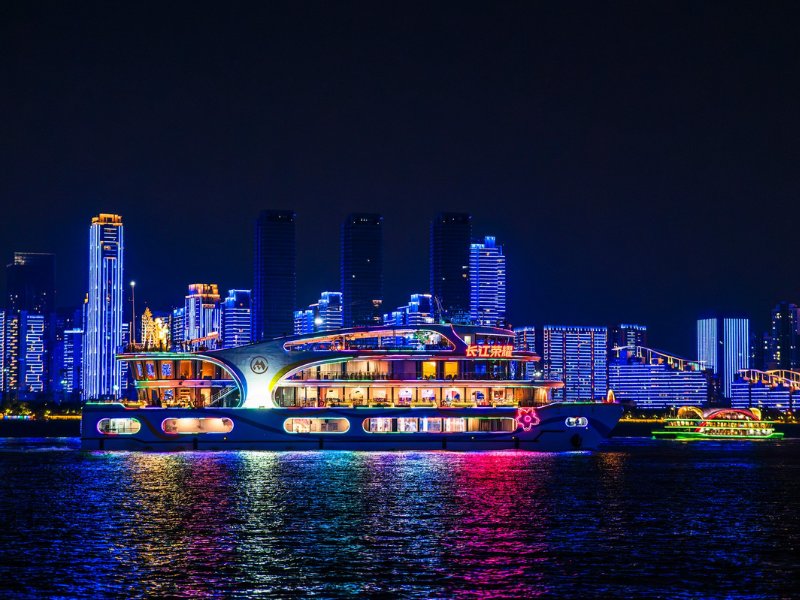
River cruises are built for tight waterways and shallow waters, which limits their size yet makes them intimate. In addition, most ships have significantly less capacity than ocean cruises.
Daily stops allow continuous movement between destinations without the disruption of repeated transitions.
Smaller size means they can visit places that larger ships may not reach, such as river towns, inland ports, and remote areas of waterways.
Expanding Rivers and New Routes
While Europe remains central, river cruising is expanding into new geographic contexts. Fresh destinations have emerged across Asian, South American, and African rivers, with tour operators considering developing cruises to places not yet available.
The industry is discussing an increase in demand for cruises along waterways such as the Magdalena River in Colombia and the Brahmaputra River in India, illustrating how the river-cruise concept can evolve and be applied to other contexts and tourism systems.
Rivers are increasingly treated as corridors of movement rather than isolated destinations.
The Future of River Cruising
With the evolution of the river cruise industry, sustainability has become an increasingly important factor in the design and operation of vessels. From the waterline, cities can be understood in relation to the river that shaped them. According to recent data on European river cruises, 96% of river vessels can be plugged into onshore electricity, while 87% use onboard water treatment technology.
On the other hand, a new trend is emerging in river cruise ships. Modern boats are equipped with hybrid engines, electric motors, and improved fuel systems as companies opt for low-emission cruising. Reports from the industry have also noted that demographics of travelers are changing, with younger passengers and multiple generations aboard, not to mention the emergence of themed cruises centered around wine, food, culture, and health.
Demand is rising as travelers shift toward slower and more immersive forms of movement. According to studies, passenger tickets generate around 58.4 percent of earnings in the river cruise business, underscoring the importance of creating itineraries and destinations to attract customers. On the other hand, population dynamics reveal strong demand among middle-aged tourists, particularly those aged 46-55, who constitute nearly 27.6 percent, making it the largest share, underscoring the cultural richness and comfort offered by river trips.
Tourism, Culture, and the River Corridor
Beyond infrastructure and technology, river cruising is part of a much larger cultural transformation in tourism today. Modern tourists are increasingly interested in destinations that combine all these elements.
River cruising aligns with this shift by linking multiple landscapes into a single continuous experience. One cruise can take passengers from a medieval settlement, via modern harbors and agricultural zones, down to natural floodplains. The river binds these landscapes into a single, continuous route.
By doing so, river cruises highlight the interconnectedness of the destinations.
The River as Route
River cruising reframes rivers not as scenery, but as active systems of movement. It aims to restore them to their role as a means of transportation.
Rivers have had a determining influence on settlement patterns, trade relations, and mobility for centuries. The road and flight revolution may have made people forget about their existence. In today’s world, rivers are emerging as a new component of a slower form of exploration.
The river no longer runs alongside the journey. It determines its pace, sequence, and perspective.
Read More On:



[…] How River Cruises are Changing the Way We Experience Rivers […]