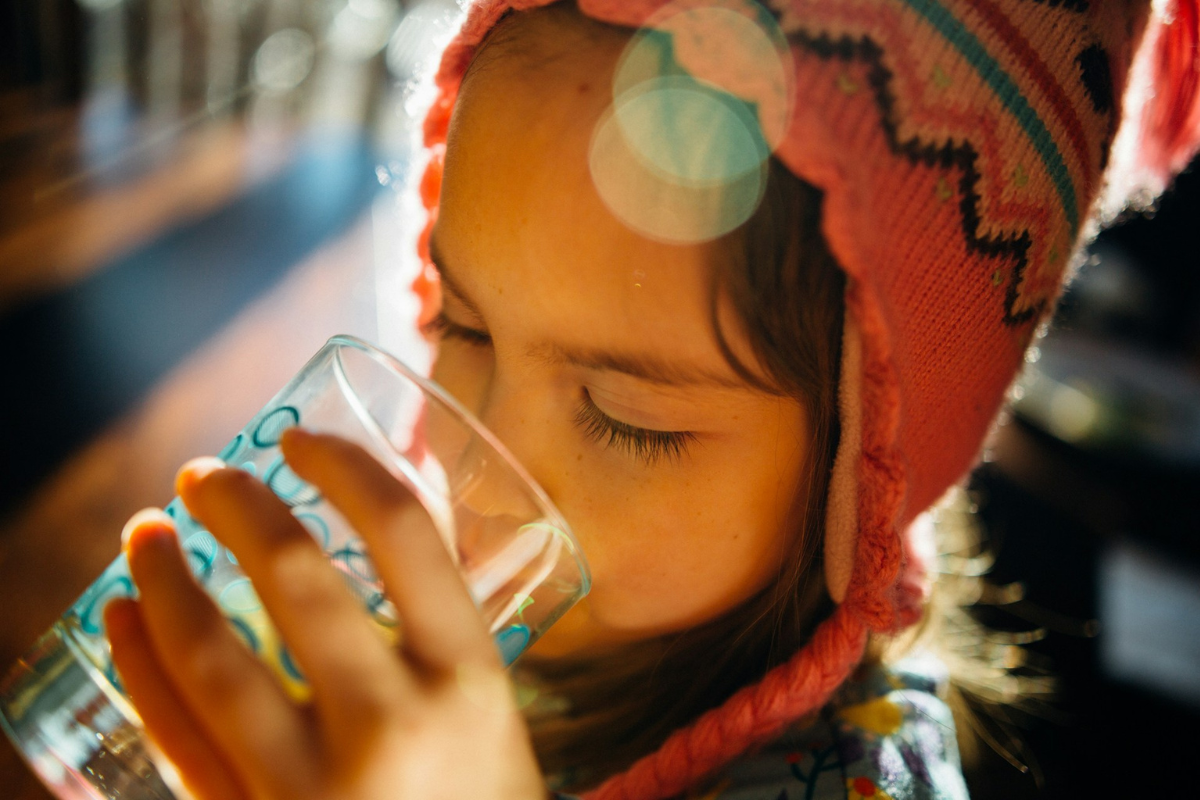

How long the body can function without water is a question shaped less by theory than by environment. So, how long can you survive without water? Most people survive only a few days without water, though heat, exertion, and health conditions can shorten this window considerably. If it is extremely hot, a human body loses about 1–1.5 liters of water per hour because of the perspiration process.
Despite its ubiquity, water makes up more than half of the human body and is easily overlooked. Water comprises essential parts of our blood, saliva, sweat, urine, joint fluid, and interstitial fluids. Each day, our bodies lose some amount of water while we breathe, sweat, and eat. However, this amount should be replenished in order to maintain homeostasis; otherwise, dehydration may occur quickly.
The Body Depends on Water
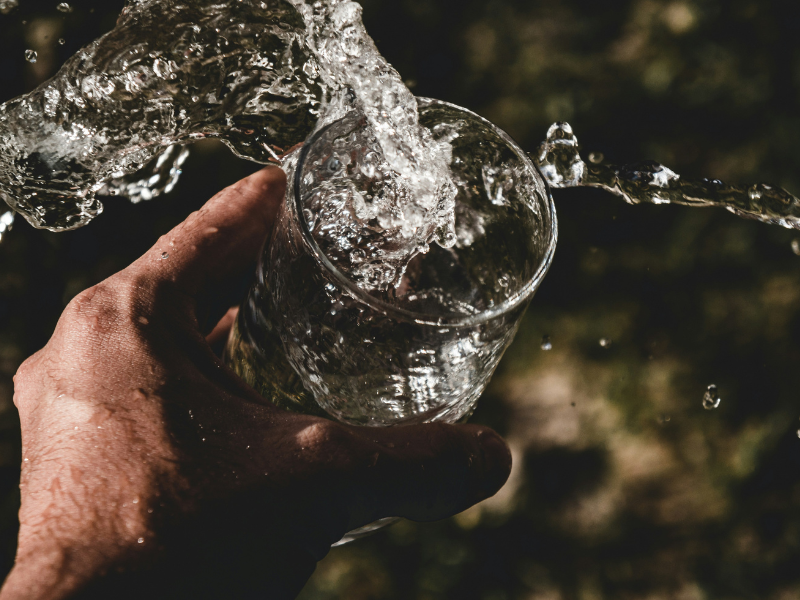
The body tolerates hunger far longer than dehydration. That contrast matters. The body can tolerate hunger for weeks, but dehydration advances much faster. Dehydration progresses quickly because water underpins nearly every physiological process.
Scientific studies indicate that dehydration at just 2% of body mass can cause problems with concentration, emotional state, and physical abilities. As the situation worsens, the consequences become increasingly severe. At about 8-10% dehydration, it is possible to experience poor blood flow and organ failure.
Dehydration triggers the body’s natural response. Kidneys conserve water by producing less urine, while the need for hydration increases significantly. However, such reactions do not solve anything. With further progression, the body struggles to maintain blood volume and temperature. Additionally, waste products accumulate as the body fails to eliminate them.
How Quickly the Body Loses Water
Water is always leaving the body regardless of whether anything extreme happens. Each time one breathes, water leaves the body via vaporization through the lungs.
To remain stable, the body must replace lost fluids. Hydration restores the fluid balance required for circulation and cellular function. Water is the primary constituent of important body fluids such as blood, saliva, perspiration and synovial fluid.
Real-life examples illustrate the fragility of such equilibrium quite dramatically. For instance, an Austrian adolescent named Andreas Mihavecz managed to survive for 18 days without drinking or eating anything. He had been mistakenly kept in police detention facilities for that period of time. Physicians said that his survival was remarkable and could be due to small quantities of water obtained via condensation.
Conversely, dehydration caused by the effects of heat might result in death rather quickly. Another example of how delicate the balance of water in the body is in regards to heat stress can be found in situations that involve extreme heat. More than a thousand children have died of heatstroke in automobiles since 1998 in the United States, where about one child dies every ten days due to heat in cars.
In these conditions, the margin between stability and failure is narrow. As long as water intake decreases, the volume of the bloodstream is decreased, thermoregulatory processes are affected, and toxin accumulation occurs. In severe dehydration, people are able to progress from tiredness and dizziness to a condition of shock very fast.
Heat Changes Everything
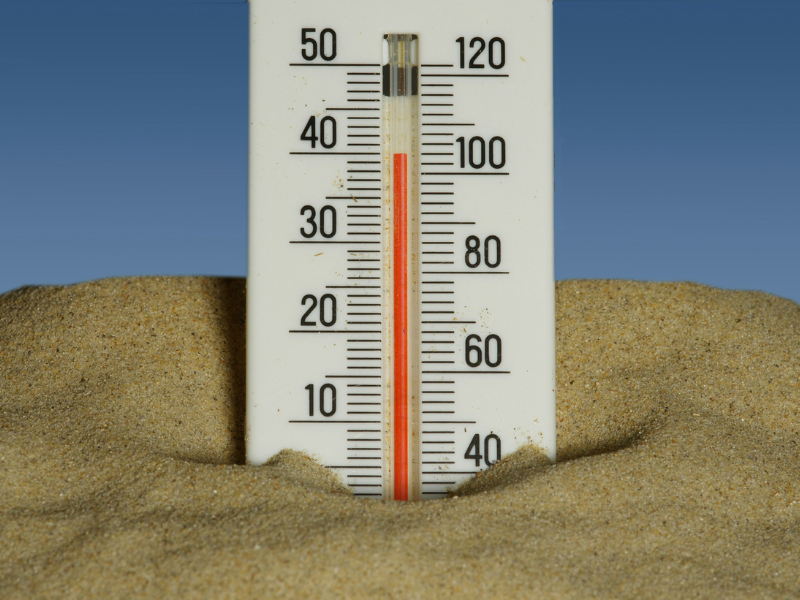
Temperature is one of the most important factors shaping survival time. In hot environments, a person relies on sweat evaporation to cool down. Evaporating sweat consumes water. High temperatures and physical exertion accelerate fluid loss through sweat. It has been found that adults can produce sweat up to one to two liters within an hour.
This is why deterioration can occur within hours in extreme heat. A child locked in a car or an athlete participating in training in a very hot environment would start deteriorating within hours, not days. These facts also illustrate why it is necessary to pay attention to water storage during emergencies.
Preparedness guidelines for public health stress the significance of keeping sufficient water stores during any emergency situation. In the United States, the recommended minimum is one gallon per day per person for three days according to the U.S. Centers for Disease Control and Prevention. However, a minimum of two weeks is recommended if possible.
In essence, water is a vital necessity.
Dehydration is Not the Same for Everyone
Hydration needs vary between individuals. Age, weight, state of health, sex, physical activity, climatic conditions, and nutrition all play their role. Infants, young children, and older people are at higher risk. The same goes for those who are ill, particularly patients suffering from nausea, diarrhea, or fever, because these symptoms cause increased dehydration. Expectant or nursing mothers may need additional amounts of liquid as well.
Nutrition is also important to mention. All sources of hydration are not necessarily liquids. According to Mayo Clinic, about 20% of total daily fluid consumption may be provided by food and water-rich produce. This contributes to variation in hydration and survival across individuals.
The same logic works in reverse. Dry and salty meals can provoke a sensation of thirst. Consumption of alcohol leads to dehydration. In addition, under conditions of scarcity, illness or extreme temperatures become limiting factors.
The Quiet Progression of Physical Failure
What makes dehydration so disturbing is not only that it can kill, but that it often begins with symptoms that feel ordinary. Dry mouth. Mild lethargy. Headache. But then something shifts.
The body starts saving whatever water is left. Urination slows. The skin and mouth become more parched. Blood pressure may drop. Cognitive skills falter. Severe dehydration can lead to confusion, fainting, reduced urination, and increased heart and breathing rates. In this situation, fluid intake alone might not suffice, and medical attention might be necessary.
Even before reaching the extreme point, dehydration can affect one’s mental acuity. According to the Mayo Clinic, even mild dehydration can make people feel tired and low in energy, highlighting how quickly reduced fluid levels can affect alertness and everyday functioning. Thus, the topic extends beyond mere survival. Hydration impacts performance, decision-making, and resilience well before a crisis occurs.
How Much Water do We Actually Need?
There is no single perfect number for everyone, which is why rigid hydration advice often oversimplifies the issue. Nevertheless, general guidelines are helpful. Also according to Mayo Clinic, the amount of water that typical healthy individuals receive might be adequate if they take in about 2.7 liters per day for women and 3.7 liters for men through their drinks and meals.
However, these figures are not requirements but guidelines. Increased consumption will be required when people engage in physical activity, are exposed to warm or humid conditions, high altitudes, pregnancy, lactation, sickness, or certain diseases. The need for fluids varies depending on circumstances, and circumstances are everything.
This is one reason why there is no definite answer to the question, “How long can you survive without water?” A better question would be: under what conditions, and for how long, can the body maintain its balance?
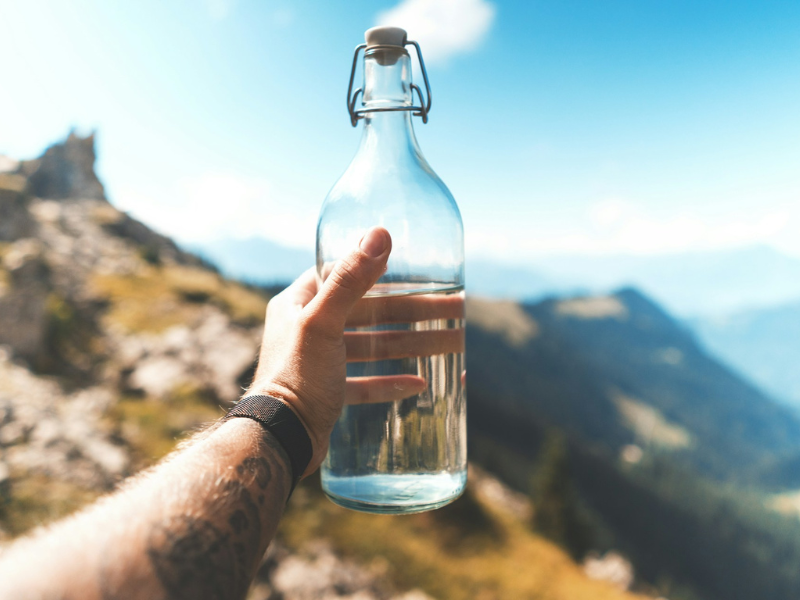
Water as the Body’s Most Fragile Certainty
It is easy to think of hydration as merely advice for well-being, but, in reality, it exists much nearer to the frontier of biology. Water enables the body to function at every level. It keeps it cool, transports substances around, acts as a buffer, helps dissolve things, clears them away, and restores them. Without water, the body loses its ability to regulate itself. This is what makes the topic important. Yet again, how long can a person live without water? It is another way of asking how long a body can sustain itself in the absence of one of the essentials of existence.
The Quiet System That Keeps Us Alive
The presence of water seldom makes itself known. Water works silently in the body, going about its business without fanfare. But when water is absent, then its significance becomes truly evident.
So, how long can you survive without water? Very little time at all. And this is why dehydration is such an important issue. Hydration is a constant requirement for maintaining balance within the body.
Read More on: