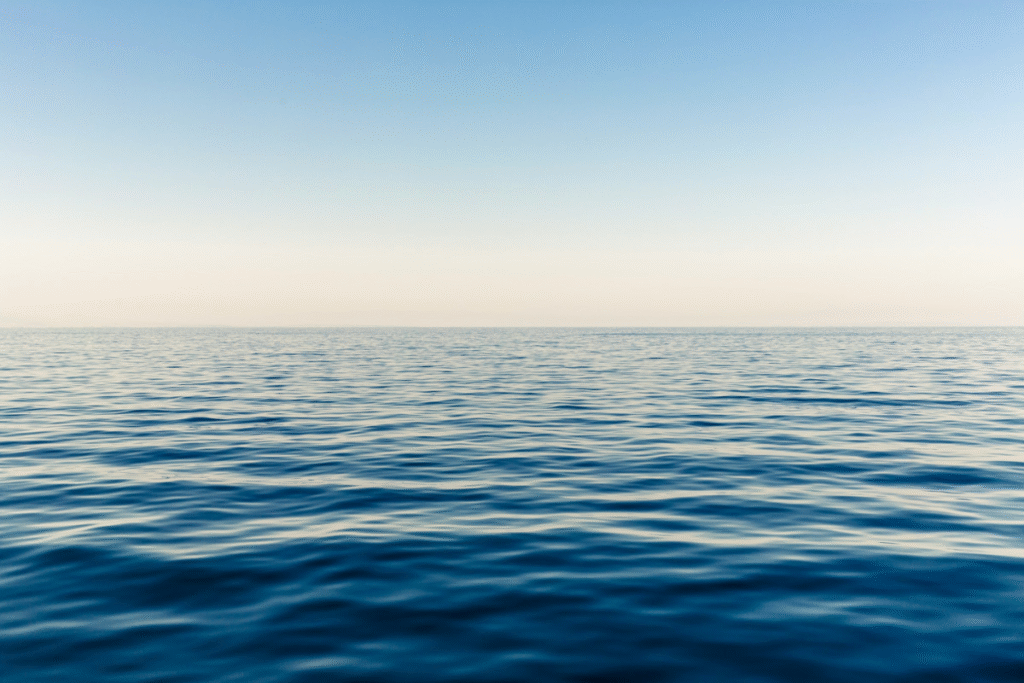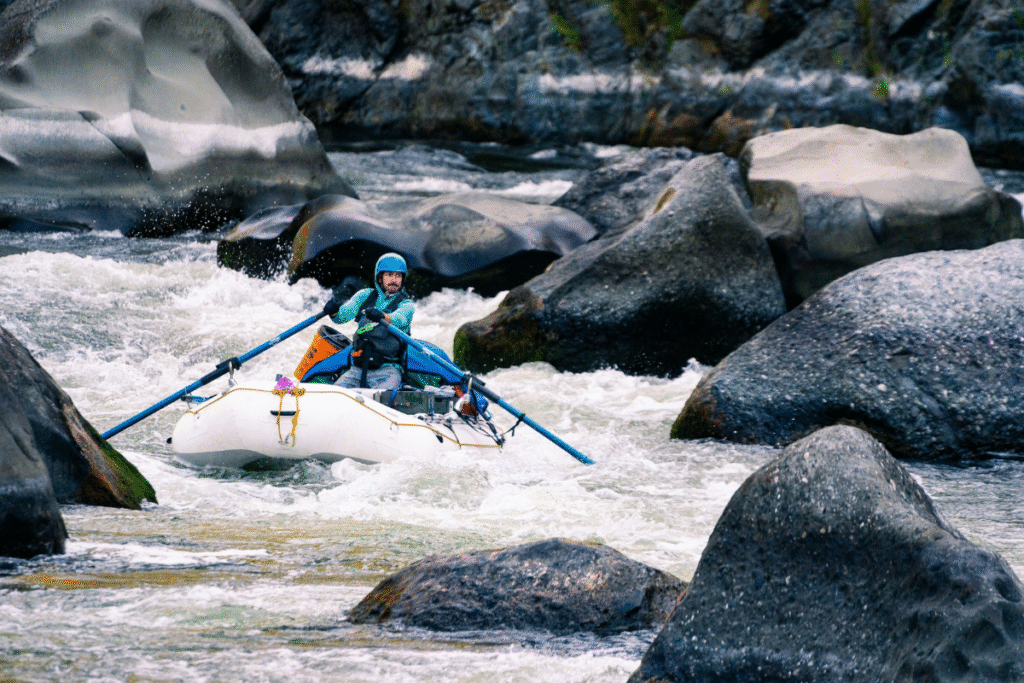


Time spent near water can subtly shift how the mind works, easing stress and sharpening attention. This article will explore the effects of rivers, streams, and waves on our attention, emotions, and overall health using scientific evidence and real-life examples. Exposure to water, whether flowing or stagnant, for a short period reduces cortisol levels, improves moods through serotonin and dopamine, and improves concentration, implying that the natural rhythms of water have a balancing effect on the mind.
Although water covers most of the planet, access to rivers and lakes is uneven, making everyday encounters with freshwater both environmentally and psychologically significant. As density and fragmentation of our lives make us increasingly distracted, Water’s Quiet Presence offers a blueprint for resilience, soothing the nervous system and clarifying the mind even in the midst of cities.

Water as a Neurological Signal
Proximity to water, from coastlines to urban canals to domestic settings, has been linked to measurable changes in stress and attention. As mentioned earlier, exposure to water reduces levels of the stress hormone cortisol and stimulates the parasympathetic nervous system. Additionally, Water’s Quiet Presence and living in close proximity to it has cognitive restorative benefits. The movement and sound of water gently draw attention, fostering calm and focused thought. Marine biologist Wallace J. Nichols named this state “Blue Mind,” which is a mildly meditative state that boosts creativity, emotional stability, and cognitive flexibility even from casual interactions such as listening to the sound of a fountain or looking at an aquarium.
Hydration also plays a role in this state. Research from Liverpool John Moores University suggests that inadequate hydration may amplify stress responses, reinforcing the physiological link between water and emotional regulation. Thus, the combination of sensory stimuli and water’s quiet presence offers a neurological blueprint for reducing stress and increasing the quality of life.
Movement, Breath, and Mindfulness on Water
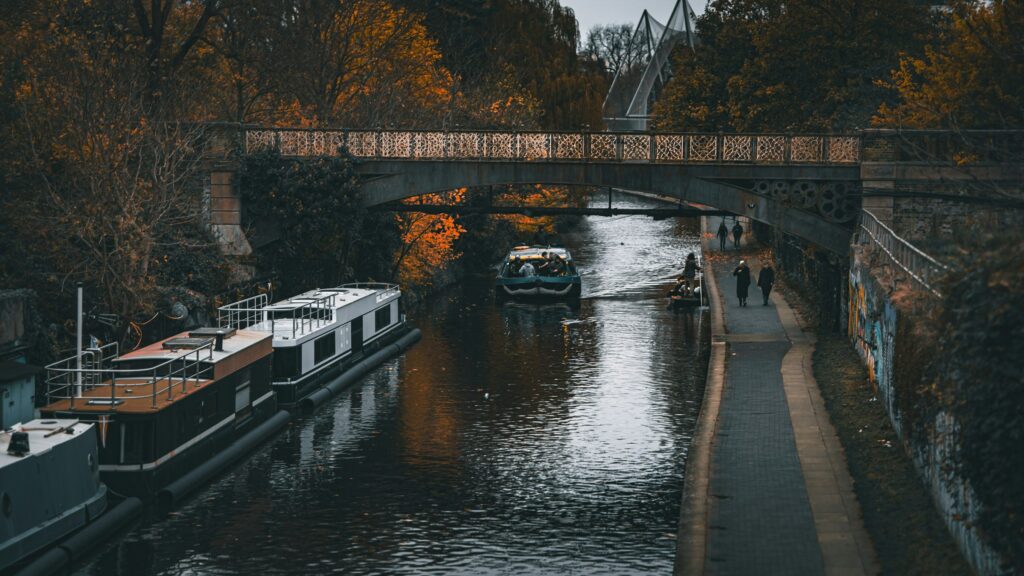
Movement in water can function as a form of active meditation. Water’s quiet presence or calm doesn’t always come from stillness. In fact, moving through water can increase its relaxing effect. Moving in water, such as swimming or diving, or using a paddleboard can allow the body to move in sync with the water. This is known as a “moving meditation.” A review of 18 studies showed that exercises done in water can reduce anxiety and improve moods. These exercises can be more effective than the same exercises done on land for young people and adults alike.
Breath awareness is the foundation of the mindfulness movement. But the breath awareness that water can provide is unlike anything experienced on land. The gentle enhancement of the breath while floating or paddling can promote slow, deep breathing. Not only can this improve balance, but the slow, deep breaths can also stimulate the parasympathetic nervous system, which can improve moods long after the water activity has ended.
Even beginners can experience the positive effects of water. Studies on novice stand up paddleboarders have shown that they can improve their psychological well-being.
Urban Waterways and Mental Clarity
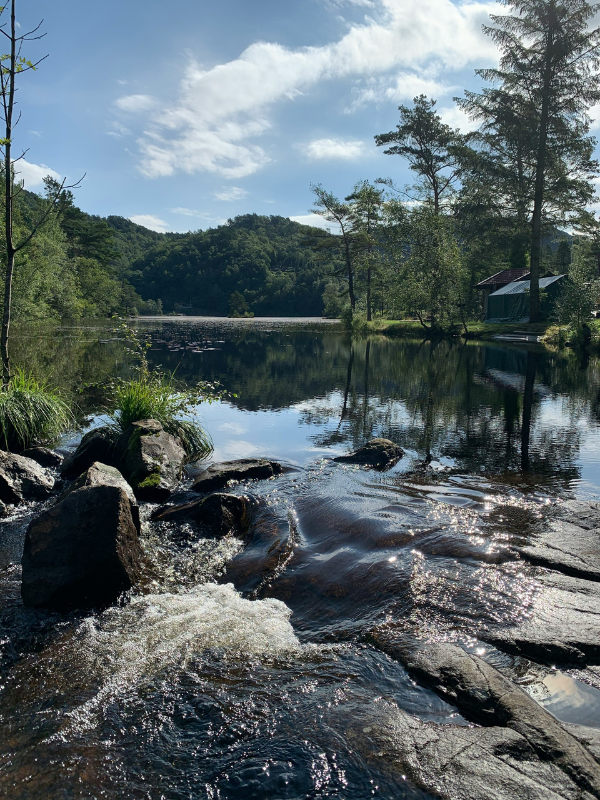
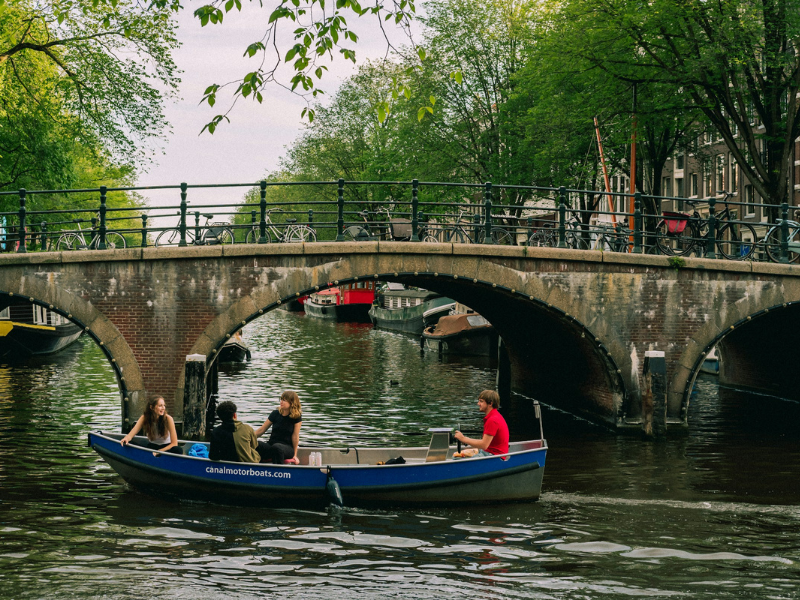
Urban canals have been shown to support mental wellbeing even in dense city environments. The first ecological momentary assessment of its kind showed that people’s mental wellbeing was significantly higher when they were in areas around urban canals and rivers than when they were in other urban environments, and that this positive impact was sustained after the visit. Based on nearly 8,000 assessments, the study found that water, combined with vegetation and wildlife, influenced perceptions of wellbeing and safety more strongly than built environments alone.
Design influences such impacts. Studies on urban canal upgrades in Greater Manchester adults showed that increased walking, environmental awareness, and social interactions were promoted after small investments in walkways, seating, and clear sightlines, thus showing the potential of accessible water corridors for increased walking and incidental wellbeing benefits.
Waterscapes, in the form of canals, rivers, and riparian areas, function as therapeutic landscapes that mitigate negative emotions and attention fatigue while promoting activity and engagement with nature. The WHO estimates that 25 % of the urban population suffers from mental distress, and there is evidence that water environments can positively impact psychological well-being. When integrated thoughtfully, water features contribute not only to urban form but also to mental clarity and everyday resilience.
Water, Attention, and the Present Moment
While some people write off time spent near the water as simply pretty, others see some tangible effect in how it refocuses the mind. Studies based on the Attention Restoration Theory demonstrate how a natural environment, like a waterscape, can help restore the mind’s drained resources by subtly engaging the involuntary attention. Studies comparing a natural scene to urban ones, such as a cityscape, reveal that both water and green are rated as more restorative, indicating a tangible effect of simply looking at or being near the water as a means of emotional and mental rejuvenation.
This is in line with what scientists have been able to prove physiologically. Being in an aquatic environment has been shown to trigger the parasympathetic nervous system, which reduces heart rates and stress chemicals in the brain, putting a person in a relaxed frame of mind, as described earlier in the Blue Mind theory proposed by Wallace J. Nichols. Even short times spent near the water, such as gazing at the waves or sitting alongside a canal, can trigger a relaxing effect.

A Global Constant, Experienced Locally
In every culture, water has been linked with clarity and purification. Ritual baths, river festivals, and pilgrimage paths along the shore – all these practices express an implicit knowledge of the psychological function of water. Contemporary research echoes what many cultures long observed: water quietly shapes how people feel, focus, and gather.
It is crucial to note that the restorative power of water does not have to involve travel or wealth. A stroll along a canal. The sound of rain. A stop at a stream. Even household water, used thoughtfully, can bring us back to ourselves.
Conclusion – Water as a Mental Commons
It isn’t either true or obvious that the value of water is simply ecological or recreational. In urban environments like Plymouth in the UK, the deliberate enhancement of a small blue space in the city showed that there were clear psychological benefits: following the co-creation of a renewed urban beach with local community members, there were positive changes to wellbeing scores and life satisfaction that were significantly increased for both visitors and locals. These improvements were attributed not only to the water but also to feelings of safety and community membership that were encouraged by interaction with the space.
These examples suggest that water functions not only as an ecological or aesthetic asset but as a shared resource for mental well-being. In a world that is characterized by speed and noise, water provides a different pace that is constant but not hurried, stabilizing without needing to be used. To watch it, to move with it, or simply to listen to it is to allow the mind to rebalance. For a restless mind, water offers not an escape, but a steadier rhythm for attention to settle.
Read More on: