
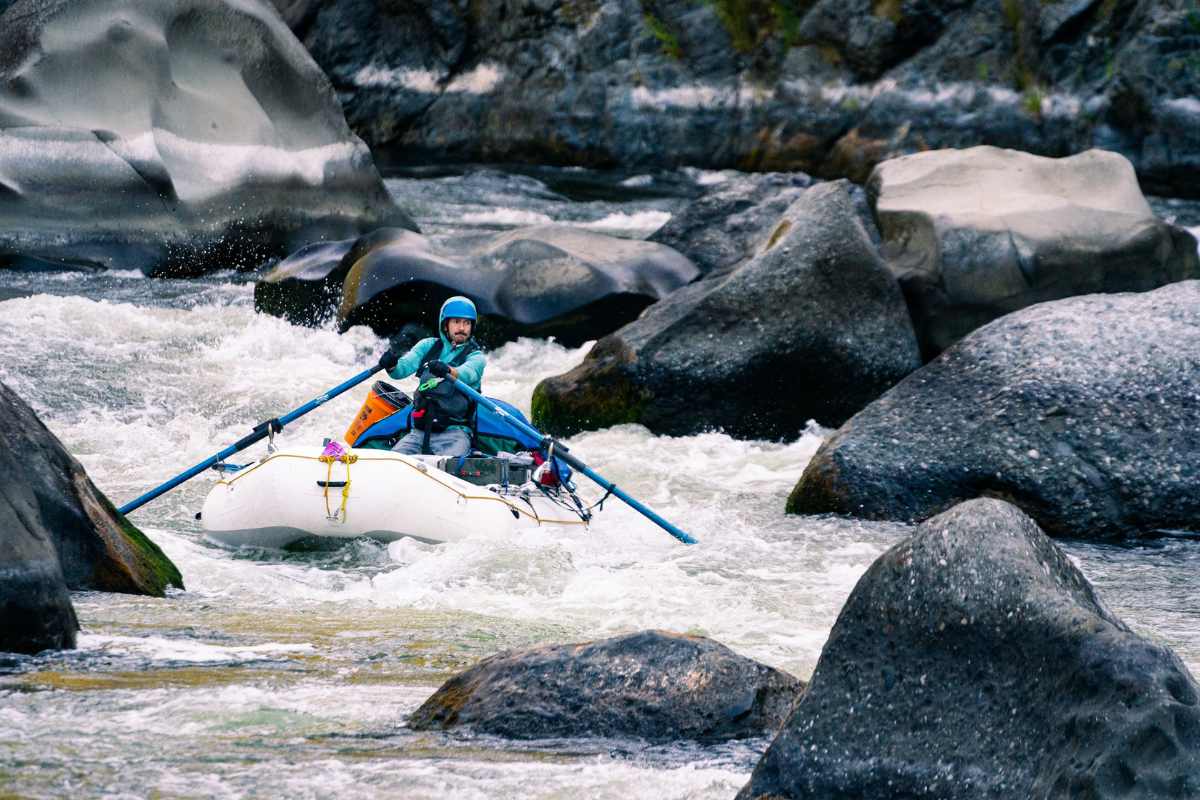

River sports culture has traditionally been shaped through repetition, physical memory, and skills learned directly on the water, often passed informally between practitioners. Today, however, this intimacy is increasingly shared with screens, sensors, and standards. Today, that culture is shifting: experience on the river now develops alongside data, sensors, and shared technical standards.
This shift reflects not only cultural change but the rapid expansion of river-based recreation itself. For example, the global leisure boating from 800 million dollars to 1.2 billion dollars by 2033. This change, therefore, is not just a technological or financial expansion. As sensors, data standards, and global practices reshape performance and governance, they also raise a quieter question: what aspects of river knowledge should be measured, and what should remain uncontrollable?
From Intuition to Instrumentation
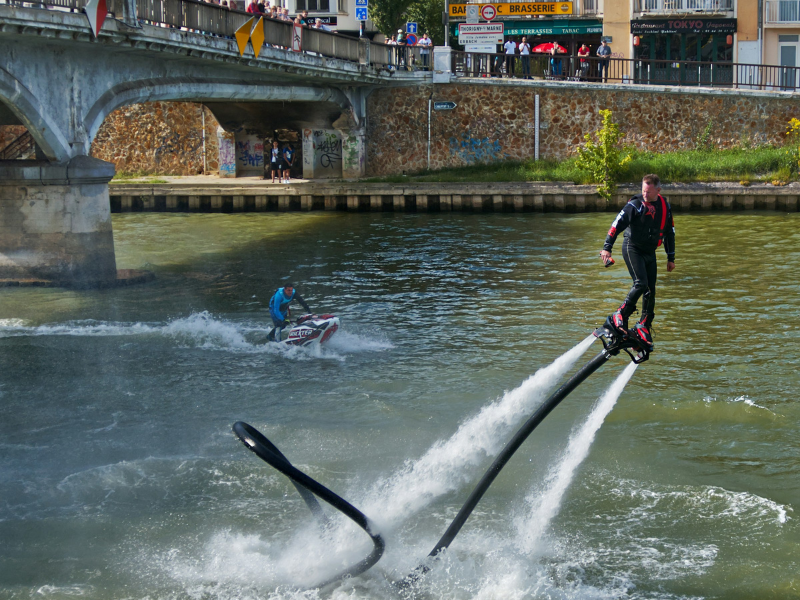
At the level of performance, technology has impacted aquatic athletes in their comprehension of movements over water. Wearable tools such as GPS units, accelerometers, and heart-rate monitors are increasingly used in paddling and endurance-based river sports. For river sports culture in particular, wearable technology has enabled athletes to quantify those elements previously only intuitively understood, be they symmetry in kayak paddling, power in rowing, or fatigue in flowing water conditions.
According to a Delphi-based prospective study in Technological Forecasting and Social Change, by Frevel, Beiderbeck, & Schmidt (2022), which draws on the judgments of 92 sport technology experts from 30 countries, future performance gains will be more dependent on technological intervention because physiological limits are increasingly being attained. Technology will play a decisive role in athletic performance gain for most sports disciplines by 2030. River sports are right in the category. When marginal gains count, data becomes a differentiator, not an accessory.
This change will not eradicate intuition but, rather, rethink it. Athletes still read the water directly, but that perception is now informed by analytics, benchmarking, and shared datasets that extend beyond any single river.
Virtual Rivers, Real Consequences
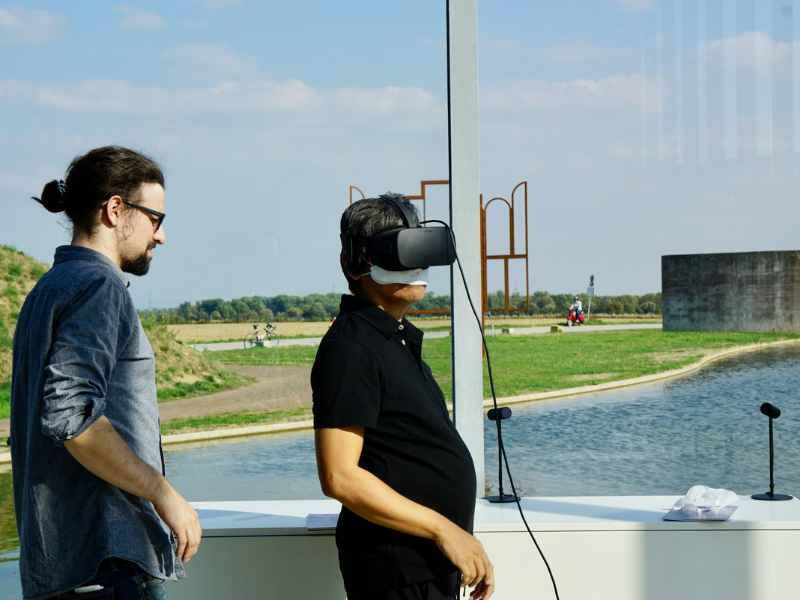
Virtual and augmented reality are entering river sports culture more selectively, supporting route planning, risk awareness, and technical rehearsal rather than full environmental simulation.
Market studies have identified that the market for immersive sports culture technology is in a period of accelerated growth. For instance, the worldwide virtual sports market is predicted to rise to an approximate value of USD 47.07 billion by 2030, registering a compound annual growth rate of around 16.7%. This is partly fueled by the progress of AR/VR technology. At the same time, there are strong market projections suggesting that the market for training and simulation, including both AR and VR, is growing well. Some studies project that the combined market for AR/VR training could exceed USD 68 billion by the early 2030s, an indicator of greater adoption of these forms of training for risk management.
For river environments that are seasonally inaccessible or highly variable, simulation offers continuity. It allows athletes and organizers to prepare without placing additional pressure on fragile waterways.
Governance, Safety, and Standardization
The influence of technology on river sports culture is not limited to sportspeople, as international and national regulations governing river sports are becoming more stringent. Many governing bodies now rely on digital systems to manage safety standards, guide certification, and coordinate across borders. For example, the International Rafting Federation, which is the international governing body for rafting, oversees various international competitions, as well as guide certification and safety regulations in various forms of river systems. Digital technologies, in this regard, are presently very important in achieving standardization in vastly differing river systems, ranging from alpine meltwater rivers to tropical floodplain systems.
This change also has considerable consequences on river sports culture. River sports were deeply specific to their locality. Increasingly, these sports are accessible to international perspectives and institutions. Technology facilitates this comparability but also leads to questions about homogenization and the extent to which specificity can be maintained.
Media, Spectatorship, and the River Image
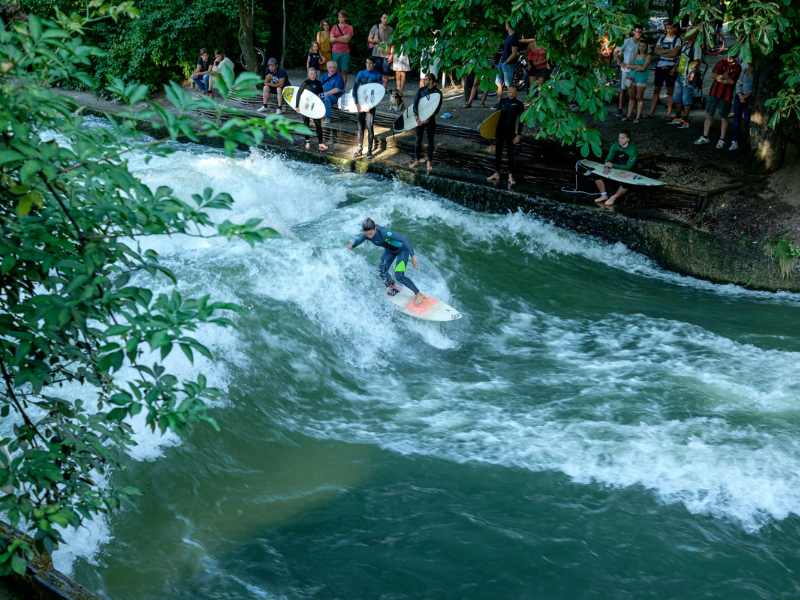
Perhaps the most evident development concerning river sports culture is how these sports are perceived and represented. High-resolution drones and real-time stabilizing video cameras have transformed the way river competitions are represented for those who are not actively participating. Rapids are now mapped, annotated, slowed, and replayed, transforming unpredictable flows into legible visual narratives.
The technologies involved in broadcasting are resulting in tremendous growth in the overall consumption of sports media across the world. The sports media market is growing to reach a total of 75.17 billion dollars by the year 2030. A study by Deloitte showed that more than 90 percent of young sports enthusiasts are using digital media and social media to watch sports, driven by the various cameras used in the streams. While river sports culture remain niche, the visual presentation of rapid flows, action shots, and course overlays increasingly mirrors the cinematic and data-driven graphics used in mainstream sports broadcasts, making the river experience accessible to audiences who may never enter the water.
This move also has cultural implications. Rivers are no longer physically interacted with exclusively. Rivers increasingly circulate as images and data, shaping public understanding even for audiences who may never experience them directly. They are perceived without direct interaction in any fashion.

Environmental Awareness and Limits in River Sports Culture
Technology is also shaping the way we view rivers from an environmental perspective. Hydrology, satellite imaging, and climate change research are key areas of knowledge that inform decisions on access, competition schedules, and other logistical concerns. In river sports culture, knowledge is never abstract – it’s highly practical. Flow rates are vital for the safety of water activities, while water temperature plays a key role in the endurance and performance of the sportsperson.
Technology does not neutralize environmental risk; it clarifies it. River sports culture, being increasingly tech-savvy, has also become increasingly aware of the limitations with regard to the season, conservation areas, and the sustainability of certain water bodies.
Conclusion – A Culture Still Shaped by Water
Despite the recent influx of technology, river sports culture remains anchored in physical geography. No dataset replaces the feel of current against hull or skin, and no simulation captures the full unpredictability of sediment shifts, and weather and human presence upstream. Rivers are not only cultural playgrounds but also crucial ecosystems: globally, rivers provide drinking water to billions of people.
What technology offers is not control but translation. Real-time monitoring, from sensors tracking water quality to flow and sediment data, allows river knowledge to transcend borders, disciplines, and generations. It knits fragmented waterways into a continuous, global view while remaining sensitive to the particular conditions of each river. Technology has not conquered rivers. It has made them more legible and measurable, while leaving their physical force and unpredictability firmly in control.
Read More On: