
Contemporary art today increasingly turn to water as a way to respond to environmental instability and social change. From biblical floods to the material explorations of the 1960s – like Pino Pascali’s 32 mq di mare circa and Hans Haacke’s Condensation Cube – artists have long engaged with water as both subject and medium. Water was no longer just shown in art; it became a material artists worked with directly.
Today, water occupies a more visible and strategic position in contemporary art. From estuaries in Aotearoa to digital shows in California, water influences the materials, themes, and priorities of contemporary art. This shift can be seen in competitions, exhibitions, and community initiatives that position water as a central cultural framework rather than a temporary theme. As climate pressure and urban expansion intensify, artists use water to examine vulnerability, infrastructure, and long-term adaptation.
The Competition Circuit: Water as Global Theme
Open calls tell their own story. The TERAVARNA 9th WATER International Juried Art Competition invites contemporary art and artists worldwide to submit works across media – painting, sculpture, digital art, installation – under a simple premise: explore water. The competition positions water as a cross-disciplinary theme, linking artistic practice with environmental discourse. Similarly, the Ten Moir Gallery’s “Water Is Life” contest focuses on the physical, emotional, and metaphorical aspects of water, with a strong focus on international participation and online exhibitions.
These initiatives reflect a broader institutional pattern.
The UK’s Royal Watercolour Society continues to co-sponsor the RWS/Sunday Times Watercolour Competition, continuing its long tradition of supporting water-based art. In Australia, the Waterhouse Natural Science Art Prize, run through the South Australian Museum, directly connects art with scientific exploration.
These competitions vary in prestige and scale, yet they converge on a shared premise: water is a generative framework. It allows abstraction and documentary, activism and aesthetics. It supports emerging artists and established names alike. Crucially, it travels. Water-based themes cross borders with ease, reflecting shared planetary conditions – rising seas, drying rivers, plastic-choked gyres.
Across the international art calendar, water-focused programs reflect mounting environmental and policy concerns.
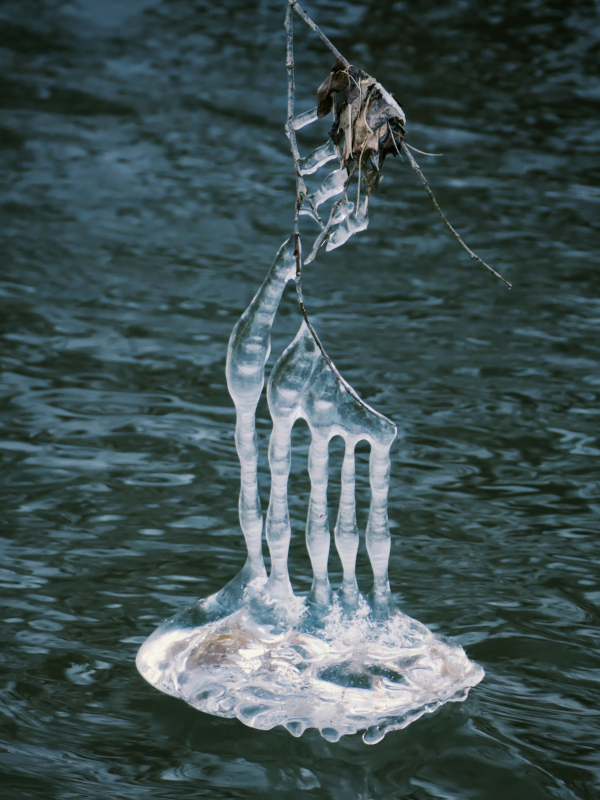
Exhibition as Lens – Contemporary Art Beyond the Motif of Water
Some contemporary art exhibitions go further by using water not only as a subject, but as a way to understand the world. In 2024, the San Diego-based gallery Henki Art launched What the Water Knows, a digital show curated by Ana Catarina Bizarro. The exhibition framed water not as a backdrop, but as an active condition shaping memory, labor, and settlement.
Photographers like Gaston Zilberman and Mohammad Rakibul Hasan showed how communities live with floods and droughts, focusing on daily life instead of dramatic scenes. Their photos capture everyday changes: shorelines moving back, sediment shifting, and people building new structures. Performance artist Sarah Cameron Sunde took this idea further by creating works in tidal zones, using her own body to show sea-level rise as it happens.
In these works, water shapes how people experience time, record vulnerability, and show resilience.
Earlier examples show this approach has been around for a long time. The exhibition Eaux troubles, Eaux calmes included photographers such as Hiroshi Sugimoto and Martin Parr, who both looked at the difficulty of capturing horizons, beaches, and stormy coasts. Sugimoto’s photos reduce the sea and sky to simple bands of tone, while Parr’s pictures of crowded beaches show leisure as a social ritual. In both cases, water makes us question how we see and understand what is in front of us.
Artists return to water again and again because it is not easy to simplify. Water can flatten, reflect, or hide what is there. It is difficult to photograph without using clichés, and that challenge is what attracts artists.

Estuaries and Edges: Art in Specific Watersheds
If global competitions signal breadth, estuary-based initiatives demonstrate depth. In Aotearoa New Zealand, the Estuary Art and Ecology Awards focus annually on the Tāmaki Estuary in Tāmaki Makaurau (Auckland). Artists are invited to research the 15-kilometre waterway where freshwater meets the Hauraki Gulf’s saltwater – an ecotone shaped by mangroves, mudflats, and urban runoff.
The awards link exhibition to action through a Direct Action Fund supporting local environmental groups. Here, art does not merely represent ecology; it participates in it. The estuary becomes both site and subject, a living system under pressure from sedimentation and development.
This localized approach reflects a broader shift in contemporary practice. Water is not treated as abstract “nature,” but as infrastructure: drainage basins, stormwater networks, fishing economies, tidal rhythms. The coastline is read as policy as much as landscape.
Youth Voices and Material Ethics
Water’s importance goes beyond institutions. Community programs like Seaweek get children drawing whales caught in nets, turtles swimming through polluted seas, or making sculptures from recycled plastics. These projects are straightforward and aim to teach. They show that even young people are learning about the vulnerability of marine life.
The choice of materials is important. Using bottle caps, netting, and cardboard highlights the same kinds of debris the art criticizes. Many water-centered works align material choice with environmental context, using debris, sediment, or reclaimed matter to reflect local conditions.
Focusing on water also means taking responsibility. Artists recognize that oceans are not distant places but part of a system that links ports, rivers, rain, and waste. Art becomes a way to help people understand these environmental connections.
Why Does Water Continue to Dominate Contemporary Art?
Water remains central because it connects climate systems, trade routes, migration patterns, and leisure economies. Climate change, migration, trade, fun, and spirituality – all pass through it. As cities from Miami to Manila adjust to the rising tides, and as drought transforms agricultural lands, water becomes the common denominator of our times.
For artists, water provides complexity and meaning. It challenges perception and practice, shaping both form and meaning in ways that are fluid, unpredictable, and open to interpretation.
By placing water at the forefront of their initiatives, galleries and awards are not following a trend. They are simply keeping up with the material world. The water world supports urbanization, agriculture, and geopolitics. Art, which is attuned to the times, follows suit.
Water persists in contemporary art because it shapes physical landscapes as well as political and cultural decisions. It defines both shores and minds. In contemporary practice, water operates less as imagery and more as structure, influencing how artists approach time, territory, and responsibility.
Read More On: