

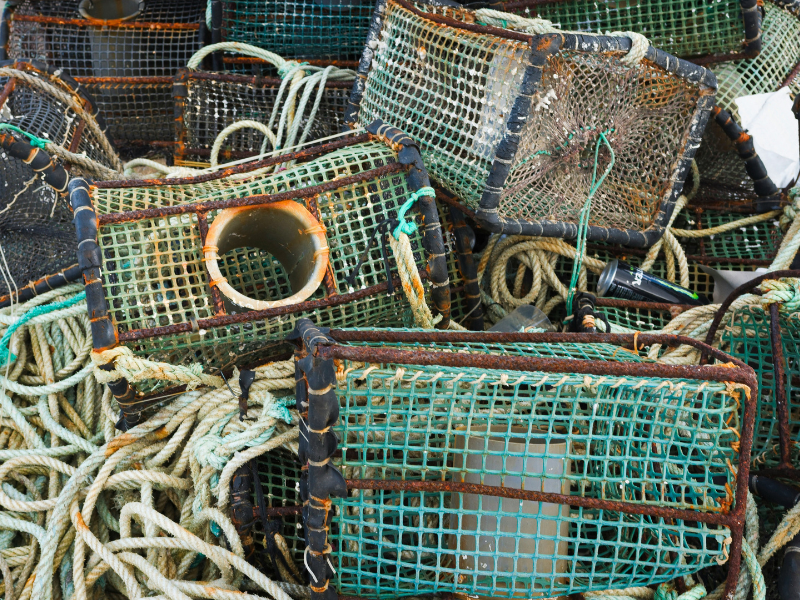
The ocean has always been giving. It has been used for generations to move food, trade, jobs, and stories from place to place. But at the same time, it has become the repository for everything humans dump into it. In coastal areas across the globe, every tide brings yet another signifier of modernity: discarded fishing equipment, ropes, and bits of marine plastic. Although these items are signs of environmental degradation, they also reflect how our relationship with the ocean has increasingly become one of extraction.
Today, a different approach to recycled ocean plastic is beginning to emerge. Rather than regarding the debris as merely waste to be disposed of, a movement is emerging that seeks to examine how these materials can remain connected to their origins. It suggests a broader way of thinking about recycling, stewardship, and local manufacturing.
The Coastline as a Living Archive
Every coastline reflects layers of environmental and cultural history.
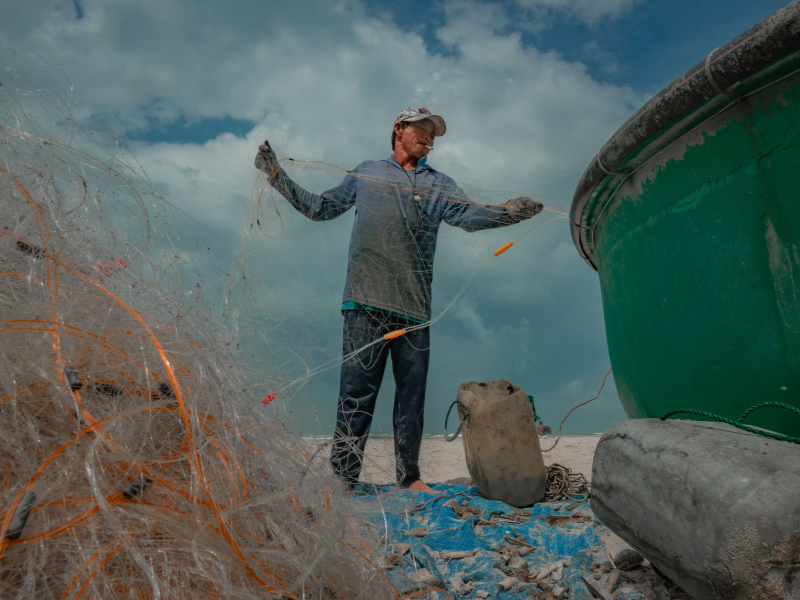
They remember the fishing vessels that sailed into their harbors, the natural forces that shaped their beaches, and the people who found ways to adapt to their coastal life. But coastlines also remember unintended by-products of our actions. Ghost nets snagged on rocky coasts and strands of abandoned rope ensnared amid the seaweed now form part of those memories, too.
The answer, for decades, has been to dispose of these materials as soon as possible. Beach cleanups, recycling drives, and conservation projects have prevented millions of tons of plastic from reentering the ocean. However, once the materials are picked up, their next destination often entails a lengthy journey through unknown recycling processes, which may be located far from the coastal area where they were collected.
In many cases, the connection between recovered material and its place of origin is lost.
Ecotribo: Where Recovery Happens Close to Home
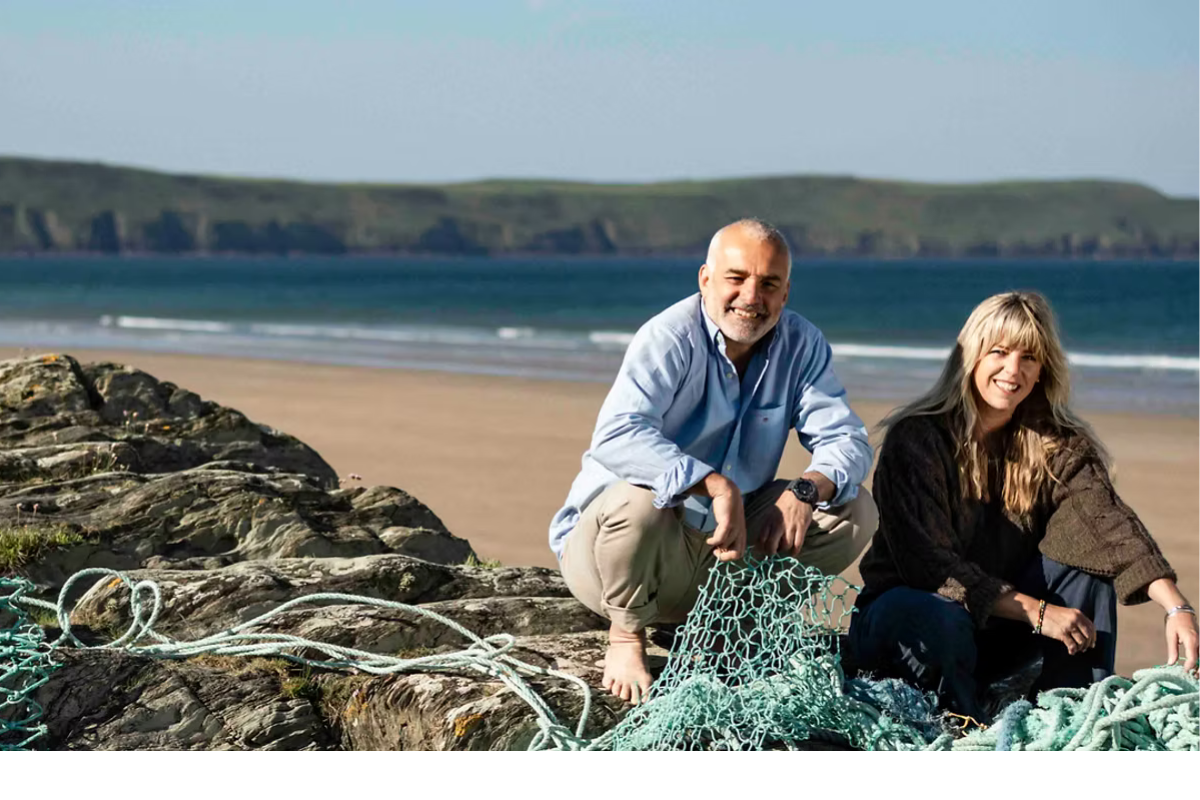
Along the coastlines of Devon, Cornwall, and Wales, a new take on recycled ocean plastics is slowly emerging. Instead of recycling these marine plastics and moving them elsewhere for use, Ecotribo is supporting the establishment of what may be one of the first recycled ocean-plastic microfactories in the United Kingdom.
In many ways, this contradicts the classic geography of recycling. Whereas modern manufacturing often relies on lengthy global supply chains, Ecotribo shortens the process by turning old fishing nets and other marine plastic waste into usable products locally. Through its collaboration with coastal NGOs, local fishermen, surfers, volunteers, and conservationists, Ecotribo is contributing to a circular economy that is based on the development of both environmental sustainability and community resilience. The microfactory helps keep more of the environmental and economic value of recovered materials within the communities where they were collected.
A Community Bound by the Tide
Ecotribo’s work demonstrates that circular economies are not built by machines alone.
The network consists of coastal charities working to rehabilitate marine ecosystems, beach cleanup initiatives that gather fishing gear after winter, fishermen reclaiming broken nets rather than leaving them in the ocean, surfers observing seasonal changes at their regular beaches, and coastal communities that want to take care of their environment. Each of these groups is unique in its own way, but none could achieve results without the others.
This collaboration transforms recycling into something far more meaningful than waste management. Each recovered net holds evidence of the individuals who elected not to discard it. Each piece crafted from these materials stands as a tribute to the shared effort of those who understand that thriving coastal communities require both environmental legislation and community involvement.
It is stewardship in practice.
Objects That Still Belong to the Sea
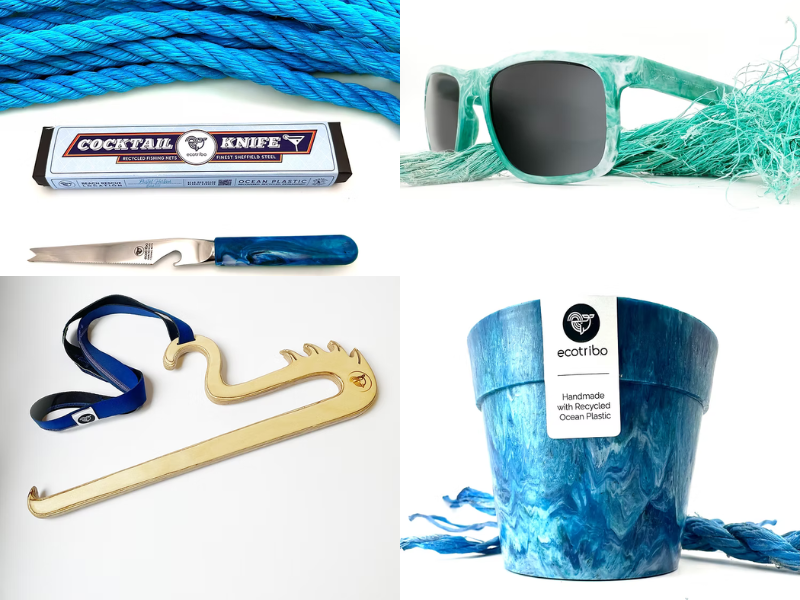
Image Courtesy of Ecotribo
There is an interesting and quiet power behind the creation of functional objects from materials that had been harmful to marine ecosystems. Plant pots, furniture, knives, and other products are not only instances of sustainable design by Ecotribo but also retain ties to the coastlines from where they came.
This is where Ecotribo’s philosophy feels particularly relevant to contemporary water culture.
Instead of disconnecting their products from their origins, the company uses traceability to maintain the link between the recycled products and the beaches where they were found. In a world that defines sustainability in terms of certifications and logistics, this brings a welcome sense of tangibility. It means that one not only knows what the product is made of but also where its story begins.
The result is a form of design that remains connected to place.
Manufacturing as Stewardship
The most interesting aspect of coastal microfactories such as Ecotribo is that they transform the way manufacturing can support environmental restoration.
Traditionally, factories have been associated with resource extraction. Projects like this suggest they can also contribute to environmental restoration.
Local manufacturing in coastal areas opens up prospects that go far beyond mere recycling. It promotes local employment, crafts regional skills, fosters conservation collaboration, and gives locals the chance to shape their own environmental future.
Education integrates with production. Children visiting a workshop can trace the process of making a fishing net from the beach to finished goods. Visitors learn about marine pollution not through figures but through objects. Businesses collaborate with the conservation organizations rather than alongside them.
Manufacturing becomes yet another way of stewardship.
A Different Future for Coastal Places
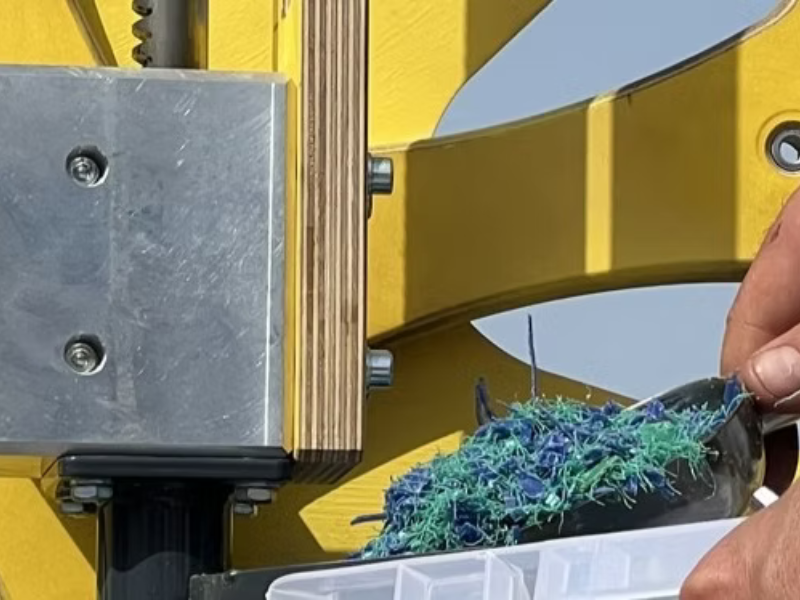
Image Courtesy of Ecotribo
Climate change is forcing many coastal communities to rethink how they live with water.
All over the world, cities are adopting wetland restoration projects, rethinking their waterfront areas, and employing other nature-based approaches that work with nature rather than against it.
The micro-factory of recycled ocean plastic is one example of this approach.
Its significance lies less in its production capacity than in the model it demonstrates.
Sometimes resilience is achieved through simple means.
Imagine coastal communities in which reclaimed fishing equipment does not exit the area in which it is discovered. Consider designers who collaborate with conservationists. Schools, fishermen, volunteers, and manufacturers all contribute to the very same closed loop. Each item produced from reclaimed oceanic plastic has not only environmental significance but also cultural relevance.
This seems like something more than just recycling.
When the Tide Returns
Generations of experience by seaside communities have shown how much the sea has molded their character, in exchange for resilience, patience, and respect. In light of the growing problem of marine pollution, the question is not whether we should retrieve whatever the ocean leaves behind, but what we will do with it once retrieved.
Ecotribo offers one example of how this approach can work in practice.
The example set by Ecotribo shows how environmentalism can strengthen communities, just as it helps ecosystems by creating a local circular economy that uses ocean-recovered plastic waste. Moreover, their efforts also indicate how production activities can be used for conservation purposes, how waste products can remain connected to their points of origin, and how stewardship is most effective when carried out by locals.
It points toward a different future for coastal communities, where recovered materials remain connected to place and become part of a more resilient local economy.
Read more on: