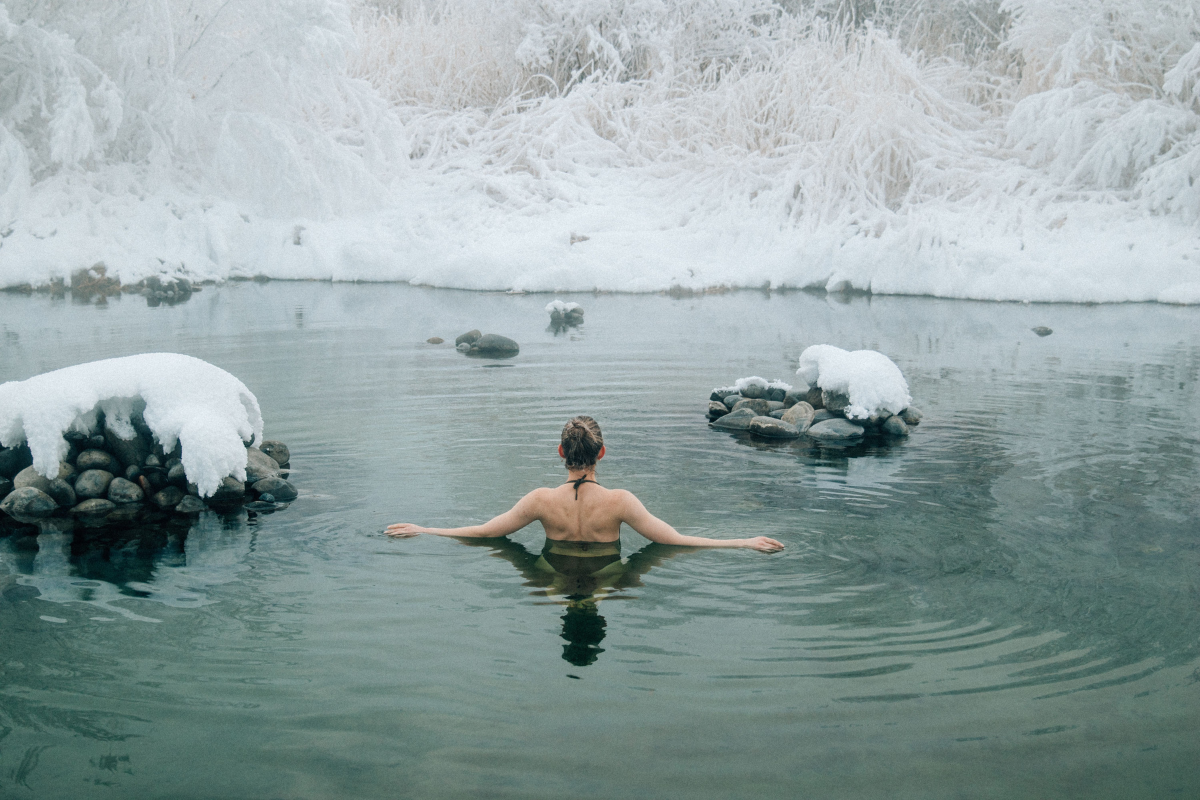

The cold-water wellness ritual often begins with a brief moment of hesitation. Whether standing by the sea, an icy lake, or a plunge pool, people know what to expect: a sudden gasp, a faster heartbeat, and an immediate urge to get back out.
Yet growing numbers of people are choosing to stay.
Once associated mainly with winter swimmers and professional athletes, cold-water immersion now appears in city bathhouses, hotels, fitness studios, coastal retreats, and private gardens. Its popularity is often explained through claims about immunity, metabolism, and mental resilience. The more interesting explanation, however, may be cultural. Cold water transforms discomfort into ceremony, creates a clear break from digital life, and makes people feel intensely present.
The science has not kept pace with the trend. A 2025 systematic review and meta-analysis published in PLOS ONE analyzed 11 studies involving 3,177 participants. While it identified possible improvements in stress, sleep quality and quality of life following cold-water immersion, the authors concluded that the evidence remains limited by the small number of studies, inconsistent research methods and a lack of diverse participant groups. More high-quality clinical trials are still needed. Cold water may have value, but its modern reputation has developed faster than the evidence.
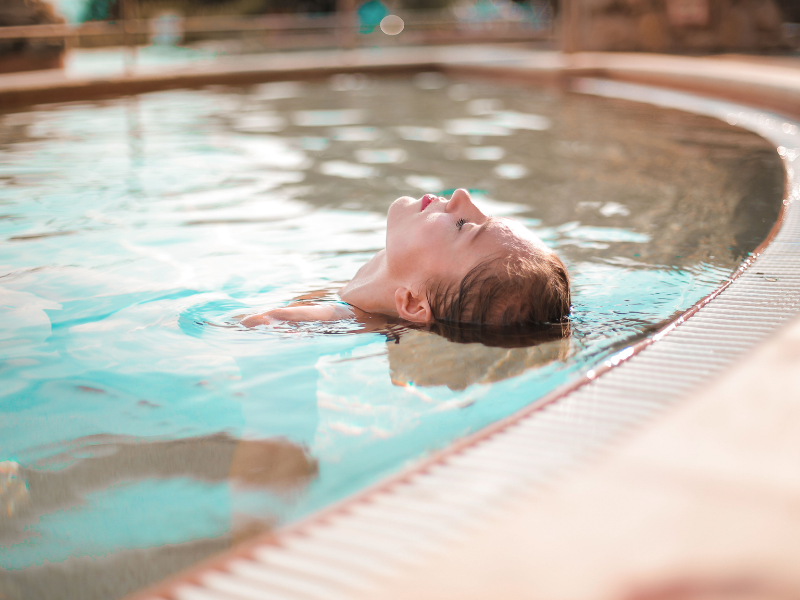
The Body Meets the Water
Cold immersion is powerful partly because its effects are immediate.
Entering cold water activates the sympathetic nervous system – the body’s emergency response. Blood vessels near the skin narrow, heart rate and blood pressure rise, and breathing can become fast and difficult to control. The sudden gasp that accompanies immersion is not simply a dramatic reaction; it is part of cold-water shock.
The Royal National Lifeboat Institution defines water at 15°C or below as cold enough to seriously affect breathing and movement. The average sea temperature around the UK and Ireland is approximately 12°C, meaning cold shock is possible for much of the year, not only during winter.
That physiological jolt helps explain the clarity people often report afterward. Cold water demands attention. For a few minutes, there are no emails, notifications, or distant concerns – only breath, temperature, and the body’s response.
This does not prove that immersion produces lasting psychological change. It does, however, help explain why the experience can feel so different from conventional exercise or passive relaxation.
Relief Is Not the Same as Repair
The strongest evidence for cold-water immersion comes from sport.
A 2023 systematic review found that immersion after strenuous exercise could reduce perceived muscle soreness and support some aspects of short-term fatigue recovery. This can be useful when athletes have limited time between matches, races, or training sessions.
But feeling less sore does not necessarily mean the body has adapted more effectively.
Research has found that regularly entering cold water immediately after resistance training may suppress cellular processes involved in muscle growth. A widely cited study reported reduced activity in pathways associated with hypertrophy, suggesting that habitual post-workout plunges may work against people whose main objective is building muscle and strength.
This contradiction exposes one of the trend’s central problems. A method designed to help an elite athlete recover quickly between competitions has been repackaged as a universal daily habit.
Cold water may suit one goal while interfering with another. The question is not simply whether it “works,” but what it is being used for, by whom, and when.
The Benefits Science Has Not Yet Settled
The wellness industry often attributes an unusually broad range of outcomes to cold immersion: stronger immunity, reduced anxiety, improved sleep, weight loss, higher energy, and even longer life.
The current evidence is more restrained.
A 2025 systematic review and meta-analysis found that stress levels were significantly lower around 12 hours after cold-water immersion in some studies. However, the review found no significant reductions immediately after immersion or at 1, 24 or 48 hours, highlighting that any stress-related benefits may be time dependent rather than immediate. It also identified possible improvements in sleep and quality of life. However, effects varied according to timing, study design, and the type of exposure used. Cold showers, open-water swims, and controlled plunges were frequently discussed together despite being very different experiences.
Claims about immunity also remain under investigation. A registered clinical trial is examining whether four weeks of cold-water immersion affects immune function, sleep, mental health, wellbeing, and muscular strength. The study’s existence is significant precisely because these questions have not yet been answered conclusively.
Mental-health research is following a similar path. Research in the UK is also exploring whether sea swimming could support mental health. A Health Research Authority (HRA)-approved study is investigating supervised sea swimming as a possible intervention for depression and anxiety. The HRA notes that while there is developing evidence suggesting outdoor cold-water swimming may benefit mental wellbeing, many reported benefits remain anecdotal and further clinical research is needed.
Cold water may support well-being, but the source of that benefit can be difficult to separate. Participants are often exercising, spending time outdoors, meeting other people, overcoming fear, and developing a routine simultaneously. Temperature is only one part of the experience.
Finland’s Ritual Was Never Just About Cold
Long before cold plunges became a performance metric, bathing traditions used temperature to organize social life.
Finnish sauna culture was added to UNESCO’s Representative List of the Intangible Cultural Heritage of Humanity in 2020. UNESCO records approximately 3.3 million saunas for a population of 5.5 million, illustrating how deeply the practice is embedded in everyday life. It is associated with cleansing, calm, family connection, and traditions passed between generations.
Cold water often appears within this wider thermal cycle: heat, cooling, rest, and repetition. The plunge is not necessarily treated as an isolated endurance test. Its meaning comes from the contrast and the rhythm surrounding it.
Estonia’s smoke sauna tradition offers a similar lesson. Recognized by UNESCO, it is practiced as a family custom connected to washing, wellbeing, seasonal events, and communal knowledge.
Modern wellness marketing tends to extract the most dramatic part – the coldest water – and leave the surrounding culture behind. Yet the rituals that have endured are rarely built around shock alone. They include preparation, recovery, social rules, and an understanding of local conditions.
From Sacred Water to Branded Challenge
Cold-water practices also exist beyond Nordic bathing.
Japanese purification practices, including misogi, place immersion or flowing water within a spiritual context rather than a physical one. Rooted in Shinto tradition, misogi uses water to cleanse the body and mind of impurity and prepare individuals spiritually. Its purpose is purification, discipline, and renewal – not athletic recovery or calorie expenditure. European hydrotherapy traditions, including Kneipp practices, have often used walking channels, cool rinses, and controlled temperature changes rather than near-freezing baths.
These traditions should not be treated as early versions of contemporary biohacking. Their meanings were shaped by religion, landscape, season, and community.
The distinction matters because the modern cold plunge is highly visible and easily commercialized. It requires little explanation on social media: enter, endure, emerge. Steam, ice, and involuntary reactions create an instantly recognizable visual language.
But a ritual becomes thinner when it is reduced to a personal record. The challenge may remain even as the cultural knowledge that once made it safer and more meaningful disappears.
When Wellness Meets Open Water
A cold bath and an ocean swim are not equivalent.
Natural water adds waves, currents, changing depth, poor visibility, slippery access points, and distance from assistance. Cold shock can cause involuntary gasping and loss of breathing control before hypothermia becomes the main concern. The danger is therefore immediate, particularly when people enter alone or attempt to copy extreme online demonstrations.
The World Health Organization estimates that around 300,000 people died from drowning in 2021. More than half of the world’s drowning deaths occurred in the WHO Western Pacific and South-East Asia regions, highlighting that the greatest burden falls on areas where exposure to water hazards is common, and prevention resources are often limited. This figure covers many circumstances, not cold swimming alone, but it places recreational water trends within a much larger safety issue.
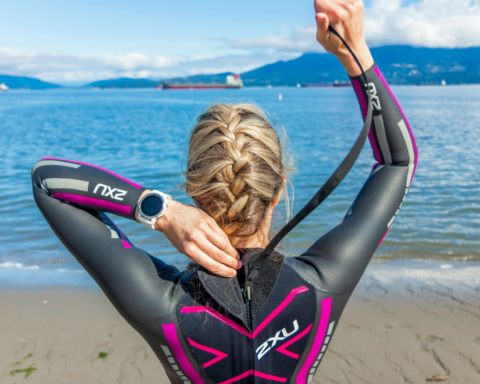
The RNLI advises cold-water participants to enter gradually, avoid jumping straight in, remain within their depth, wear appropriate equipment, and swim with other people. It also warns that alcohol and cold water are a dangerous combination.
A responsible wellness culture, therefore, requires more than enthusiasm. It requires water literacy: understanding temperature, weather, tides, exits, and personal limits.
The Failure of “Colder Is Better”
The most visible version of the trend has often been its most extreme: water filled with ice, long immersion times, and competitive displays of endurance.
There is no single temperature or duration proven to deliver universal wellness benefits. Bodies differ by age, health, experience, body composition, and acclimatization. Lower temperatures increase stress and risk without necessarily producing a proportionate benefit.
That message is beginning to affect the industry itself.
The Global Wellness Institute identified an “ice bath backlash” in its 2025 hydrothermal forecast. It reported that spas and wellness operators were beginning to replace extreme immersion with gentler cooling methods and more balanced thermal sequences.
Its 2026 forecast described the change as a wider recalibration across wellness, fitness, and hospitality: away from ultra-cold, single-purpose plunges and towards practices designed to be safer, more accessible, and repeatable.
The trend may not be disappearing. It may be maturing.
The Future Is a Temperature Journey
The next generation of cold-water wellness is likely to look less like a dare and more like a designed sequence.
Instead of a single freezing tub, bathhouses may offer pools at progressively warmer temperatures, allowing visitors to cool down gradually. Guided circuits could combine sauna, warm bathing, cool showers, outdoor air, and rest. Sensors may monitor water temperature, exposure time, and heart rate, although technology will not eliminate individual risk.
Japan already provides signs of this more social and architectural approach. SHIBUYA SAUNAS in Tokyo features nine sauna rooms, four cold baths, and landscaped outdoor resting spaces, encouraging visitors to move through a sequence of heat, cooling, and recovery rather than treating cold water as a single plunge experience. Clinical research may also produce more personalized guidance. Current registered trials are studying different forms of cold exposure, including controlled showers and immersion, while measuring sleep, immune markers, cognition, discomfort, and mental well-being.
Future protocols could account for cardiovascular health, age, acclimatization, exercise goals, and immersion depth. The important measure may become the minimum effective exposure, not the lowest possible temperature.
There is also an environmental question. Mechanically chilled pools require energy, filtration, chemicals, and water replacement. As cold plunges expand into hotels and warm-weather destinations, operators will need to explain how an apparently natural ritual fits within credible sustainability commitments.
What Remains After the Shock
Cold water does not need to prevent every illness, transform metabolism, or extend life to hold value.
Its appeal may be simpler. The ritual creates anticipation, demands concentration, and ends with a return to warmth. It can connect people to seasons, shorelines, and one another. In a culture filled with frictionless services, it offers a deliberate encounter with discomfort.
But the strength of that encounter should not excuse weak science or careless practice. The coldest pool is not automatically the most effective. A personal testimony is not a clinical conclusion. An open beach is not a supervised spa.
The lasting future of cold-water wellness will depend on whether it can move beyond spectacle. Better evidence, gentler design, cultural context, and respect for natural water can turn a passing challenge into a more thoughtful practice.
The ritual’s real lesson may not be about conquering the cold at all. It may be about learning when to enter, how long to remain, and when the water is telling us to step back.
Read More on: