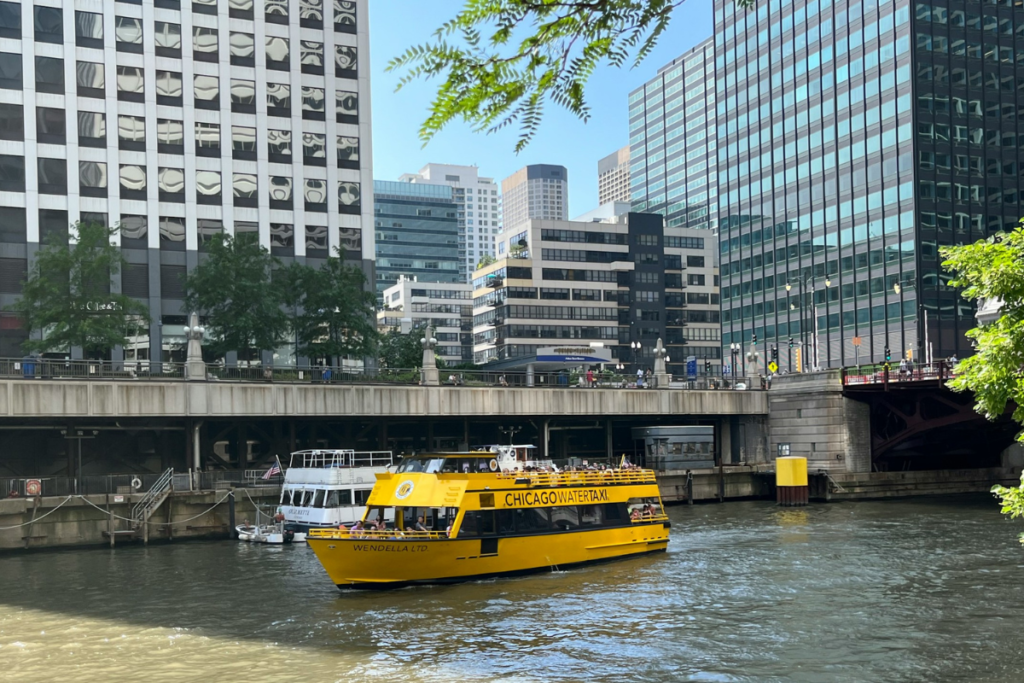


Spring water vs. purified water is rarely considered beyond its final form -clear, regulated, and ready to drink each glass- yet reflects a system shaped by geology, infrastructure, and policy. However, all sources represent a larger process influenced by factors such as geology, infrastructure, and public health. The distinction between spring vs. purified water is less about preference and more about how each is managed within its surrounding environment. Health outcomes depend less on the source itself than on how water is protected, treated, and monitored before it is consumed.
Source, Treatment, and Standards
The source of spring water is underground aquifers. It moves through the rock beds, which act as a filter. This gives the water its own flavor. Spring water is also filtered naturally. Sometimes the water may be subjected to tests and treatment. This ensures the water’s safety.
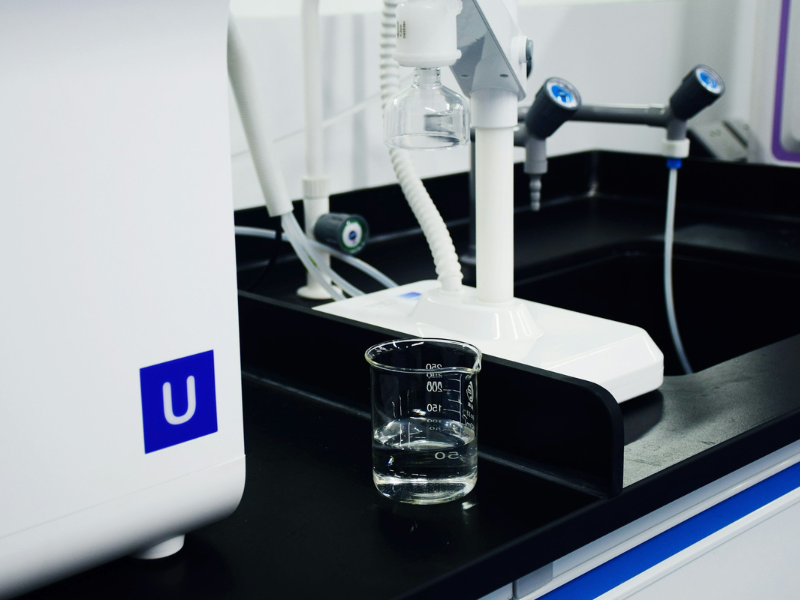
Purified water also undergoes a specific process. It may be derived from underground, surface, or tap water. It is then processed through filtration, distillation, or reverse osmosis to remove impurities.
In the United States, bottled water must meet established drinking water safety standards regardless of its source. It also states that companies should ensure that water sources are safe. Also, the water should be tested before bottling. Additionally, the water should be transported safely.
In practice, bottled water is regulated to standards that are broadly comparable to those for tap water.
Insight
Both spring vs. purified water are safe within regulated systems; the distinction lies in how that safety is engineered and maintained.
Health, Risk, and Control
From a physiological perspective, both types of water hydrate the body equally. The variation lies in the composition and risk assessment.
One advantage of spring water is its natural minerals, such as calcium and magnesium. However, the contribution to the total nutritional mix is negligible. Purified water contains minimal dissolved minerals, resulting in a more neutral taste profile.
Nonetheless, raw and untreated water may harbor microbes and contaminants. Medical guidance from the Cleveland Clinic indicates that consuming untreated spring water can expose individuals to harmful microorganisms and increase the risk of infection.
From a health perspective, risk is shaped less by mineral content than by the reliability of the systems that manage the water. The quality of safe drinking water depends on the treatment and monitoring.
Case Studies in Water Systems
United States – Regulation and Perception
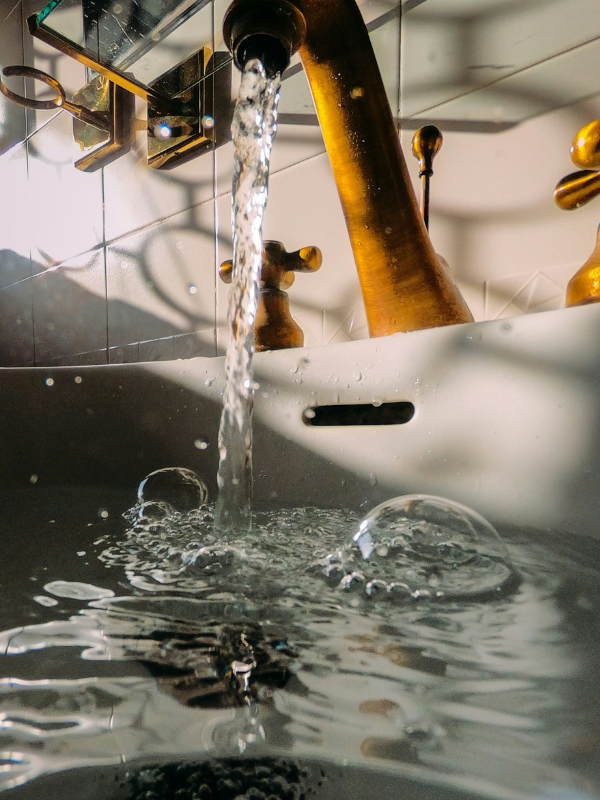
In the United States, bottled water and tap water are regulated by different agencies but share similar safety thresholds. Public systems are monitored frequently, while bottled water is tested at defined intervals.
A four-year review by the Natural Resources Defense Council found no evidence that bottled water is cleaner or safer than tap water. The review indicated that an estimated 25 percent or more of bottled water comes from municipal supplies, which are sometimes treated further before being sold.
Though the majority of the 1,000 samples tested were within safety limits, around 22 percent of the brands had chemical contaminants above state health guidelines or industry recommendations at least once. Some of these chemicals could be detrimental if exposure is long-term, especially for vulnerable individuals.
Insight:
In regulated systems, water safety is determined less by whether it is labelled as spring or purified and more by the consistency of oversight, testing practices, and the effectiveness of standards enforcement.
Flint – When Treatment Fails
The Flint Water Crisis is a good example of how water safety is not necessarily determined by its source but by its treatment systems. When the city of Flint, Michigan, changed its water source from its original source to the Flint River in 2014, it did not properly treat the water, resulting in pipe corrosion and lead leaching into the water supply. Although the city of Flint changed its source back to its original source, the damage had already been done, prompting a state of emergency to be declared.
In addition to the physical effects of the water crisis, it was also found that there was a wide range of effects on the behavior and emotions of the residents of Flint, as many reported increased anxiety, depression, and worsening of health problems.
Insight:
The crisis shows that water safety is not determined solely by the source, but by how effectively systems are managed. Failures in treatment, monitoring, and infrastructure can turn an otherwise viable supply into a public health risk.
Singapore – Water by Design
In Singapore, the NEWater programme is a good example of the shift from natural to engineered water supply systems. NEWater was first considered in the 1970s, with the idea becoming feasible in the late 1990s as membrane technology was enhanced to be cost-effective and efficient. A demonstration plant was built in 2000 to confirm the suitability of reclaimed water to meet international safety requirements. NEWater was then introduced to the national supply system in 2002.
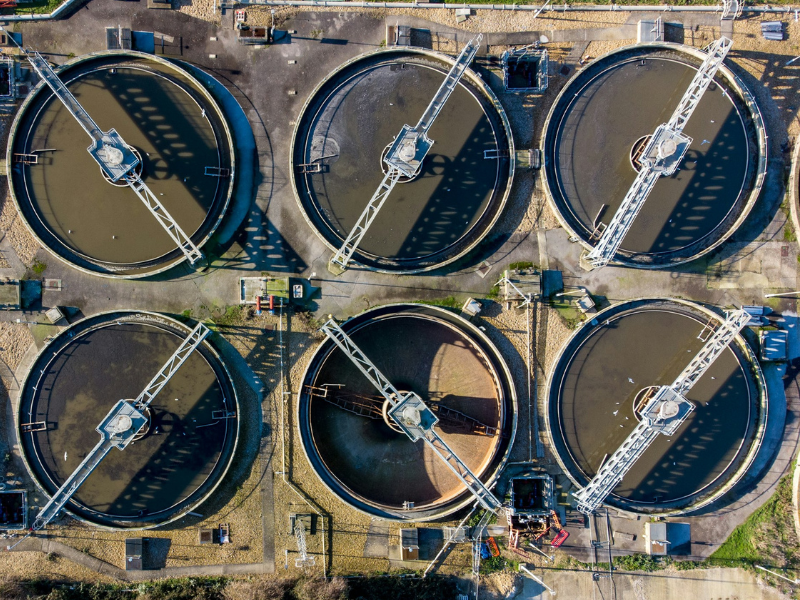
NEWater is produced through a multi-stage purification process from treated wastewater. The process starts with microfiltration or ultrafiltration to remove suspended matter and bacteria from the water. Reverse osmosis is then applied to remove dissolved substances such as viruses, heavy metals, and chemicals. Finally, the water is disinfected using ultraviolet light to kill bacteria. Although NEWater is mostly used for industrial purposes and as a coolant, some of it is returned to reservoirs during dry weather, blended with other water sources, and treated again before being supplied to the public.
Insight:
In this context, purified water is not an alternative to natural sources but a central component of supply, shaped by infrastructure, technological design, and the demands of water scarcity.
Taste, Environment, and Cultural Framing
Spring water carries a geographical imprint, reflecting the mineral composition of the landscape it moves through. The taste of spring water reflects its geography, which in turn links drinking it to a physical landscape. In areas where the aquifers are protected, this can reinforce the concept of natural origins and purity.
Purified water is defined by consistency, designed to eliminate variation rather than express it. It is meant to be consistent in taste, regardless of its source, making it better suited to urban planning, where water must be transported over long distances.
Whether one is considered “better” reflects broader cultural attitudes toward nature, control, and technological intervention.
Water Between Source and System
Comparing spring vs. purified water does not produce a clear hierarchy, only different models of trust in natural versus engineered systems. Both are safe within regulated frameworks. Both depend on systems that extend beyond the source.
What sets them apart is their connection to water. Spring water is influenced by environmental factors, while purified water depends more on the infrastructure that supports it.
Both ultimately reveal that modern water consumption is shaped as much by infrastructure and design as by the environments from which water originates. In this context, health is determined not just by the source of the water but by the robustness of the systems that support it.
Read More on: