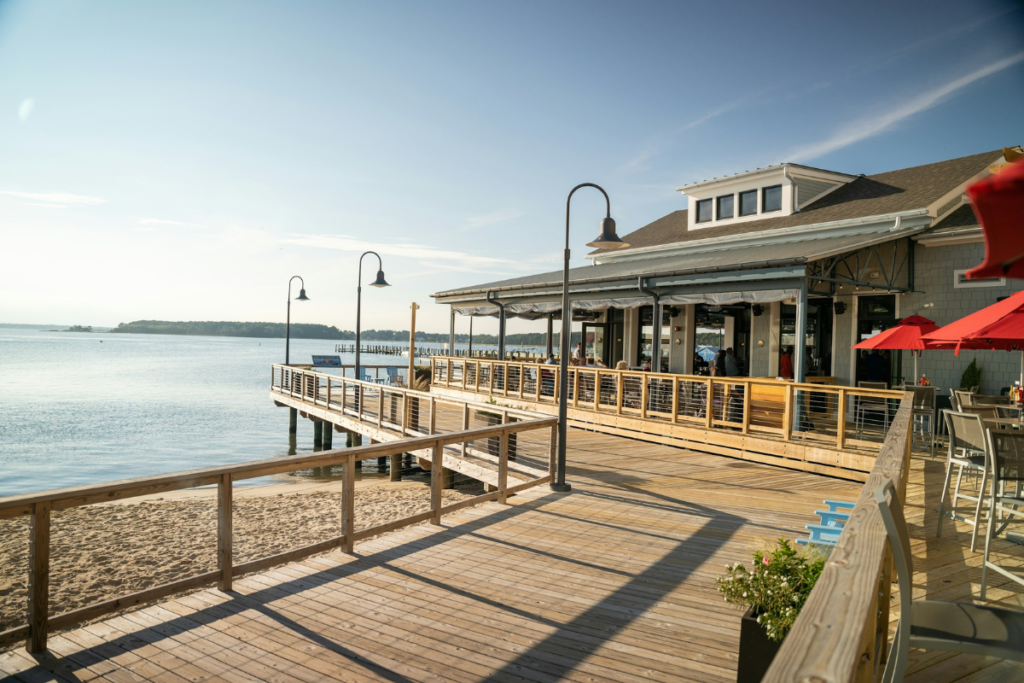
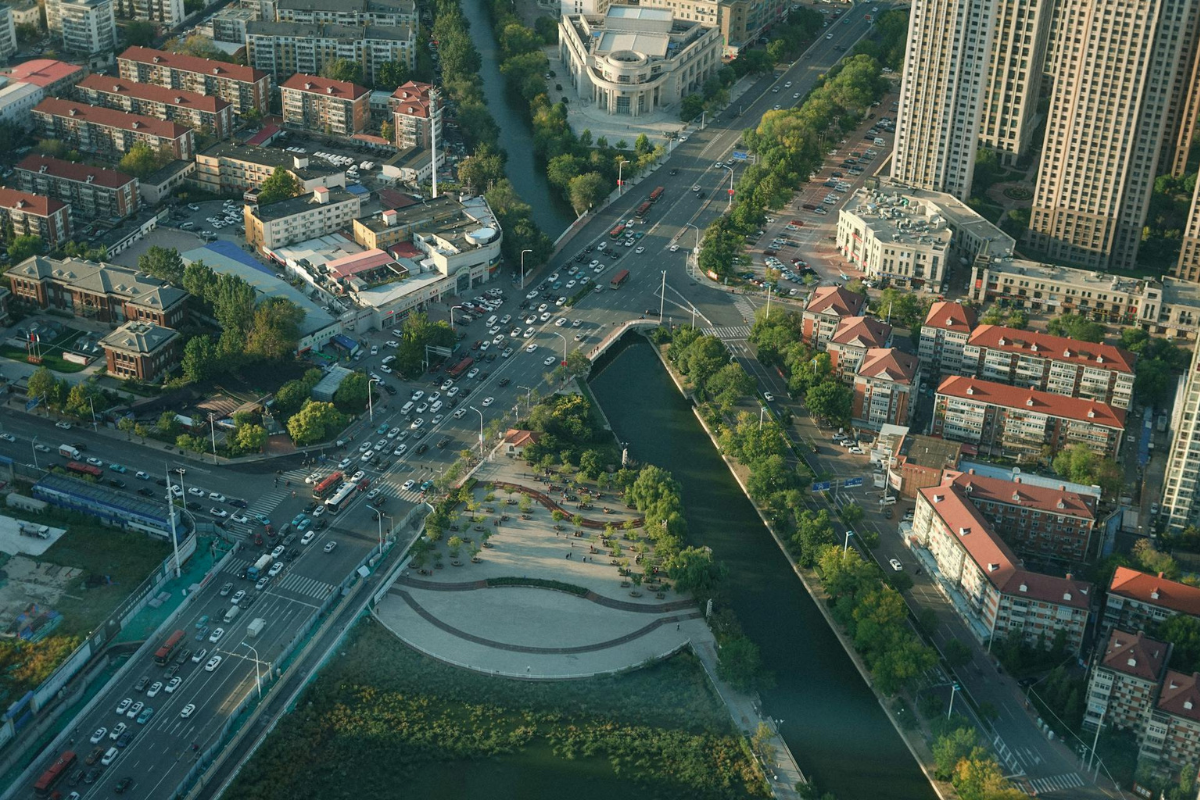

At first glance, a city street and a wetland appear to serve entirely different purposes.
Streets are designed to move people and goods, while wetlands are designed by nature to slow and store water. As cities face heavier rainfall and more frequent flooding, planners are increasingly looking to wetlands for guidance.
It’s actually quite a simple concept. Rather than dealing with rainwater by getting rid of it as quickly as possible, urban areas could be designed to capture, hold, and slowly release rainwater. In other words, urban areas would begin to resemble natural landscapes.
This concept forms the core of the sponge city phenomenon, an increasingly popular philosophy of urban design taking shape around the globe.
The Problem with Fast Water
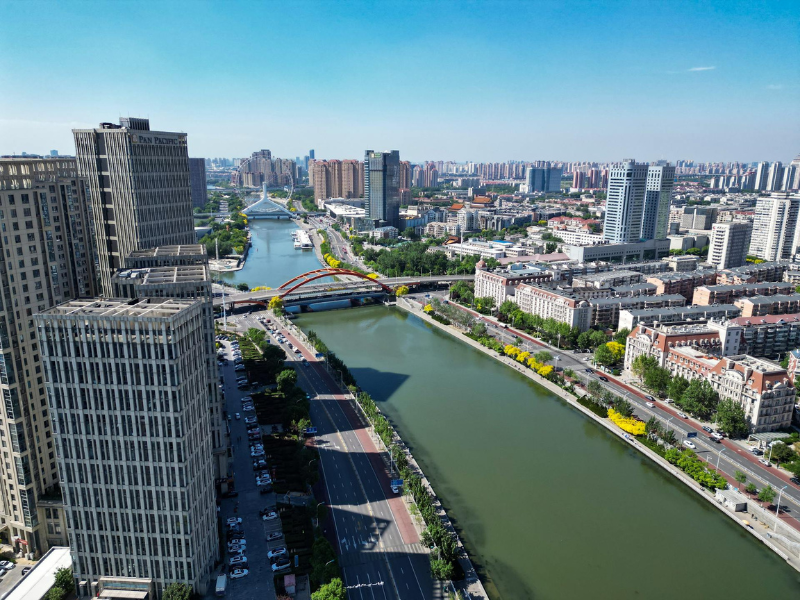
City drainage systems have used the same principle for over a century – to get rid of water.
Rainfall lands on roofs, streets, parking lots, and pavements and is channeled through drains and pipe networks. This drainage network functions perfectly under normal conditions, provided that the infrastructure has sufficient capacity to handle unexpected water flows.
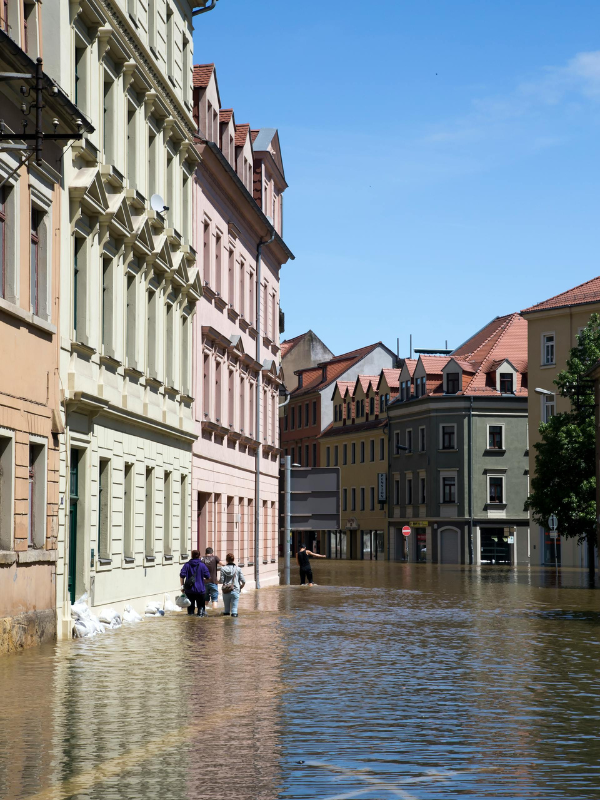
The growth of cities has been increasing the impermeability of land surfaces. At the same time, climate change is increasing the frequency and intensity of heavy rainfall events. As a result, many urban drainage systems are struggling to cope with peak stormwater volumes.
It is not just coastal areas and regions prone to floods anymore; urban flooding is being recognized as an issue in many climatic environments, and thus urban designers have to reconsider their relationship with water in urban environments.
Learning from Natural Systems
Long before any cities were built, there were strategies that allowed nature to handle its rainfall.
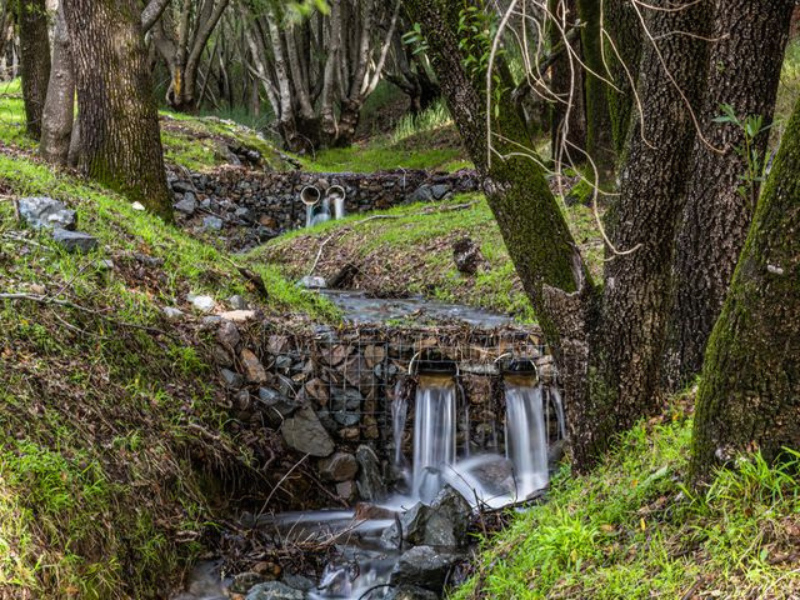
Marshes, forests, floodplains, and grasslands absorb water, slow its flow, filter out sediment, and replenish groundwater. Rather than rapidly moving water away, these landscapes slow, absorb, and redistribute it over time.
Sponge city design applies these same ecological principles within urban environments. Unlike traditional underground drainage systems, sponge cities include features that replicate natural hydrological cycles.
Rain gardens gather water runoff from adjacent streets. Bioswales channel rainwater into vegetated land. Green roofs retain rainwater. Porous pavements allow water to infiltrate into the underlying soil layers.
When taken individually, each of these interventions may be considered to be quite small in scale.
As a combination, however, they completely change how a city handles rain.
China’s Large-Scale Experiment
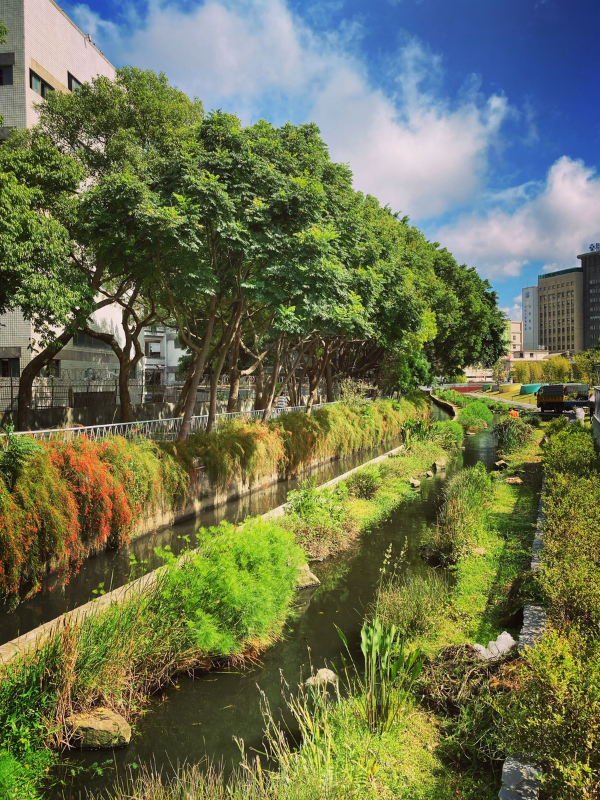
The most advanced sponge city concept is being developed in China. The national Sponge City Program was launched in 2015 to address urban flooding, improve water quality, and increase resilience to climate change. China has set a goal for 80 percent of its urban areas to meet sponge city performance standards by 2030.
Perhaps the most popular example of a sponge city project is Wuhan, where 389 sponge city projects have been completed over 38.5 square kilometers. The areas include green parks, residential complexes, buildings, and transport networks. What is especially noteworthy about them is their integration into daily life. For instance, a landscaped park can be used as an additional reservoir during floods. Moreover, trees planted next to roads may serve as filters for storm runoff.
The Netherlands Makes Room for Water
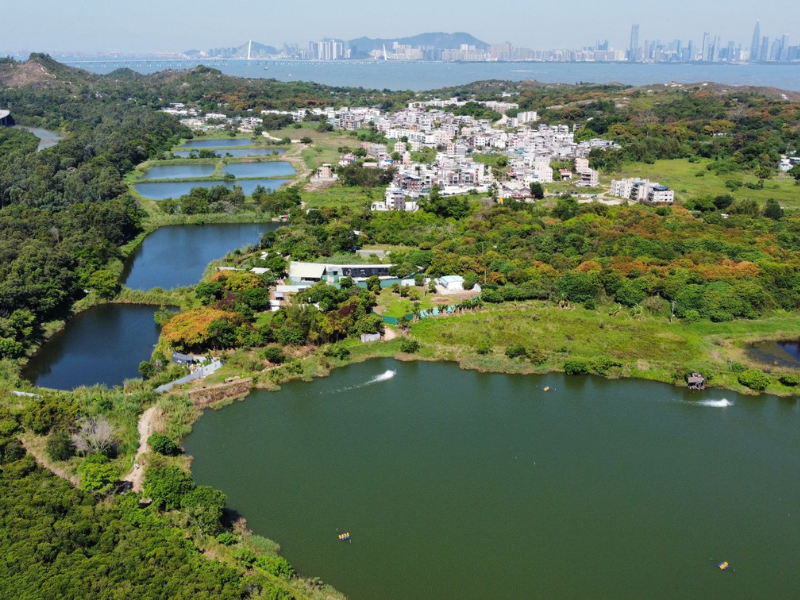
The Netherlands offers another model for living with water rather than simply defending against it. However, in recent times, their strategy has transformed from one that kept water out to one that provided it more room. This is made possible by the Room for the River program, which has led to the restoration of floodplains, the widening of channels, and the redesign of landscapes to allow more water to pass safely without flooding any regions.
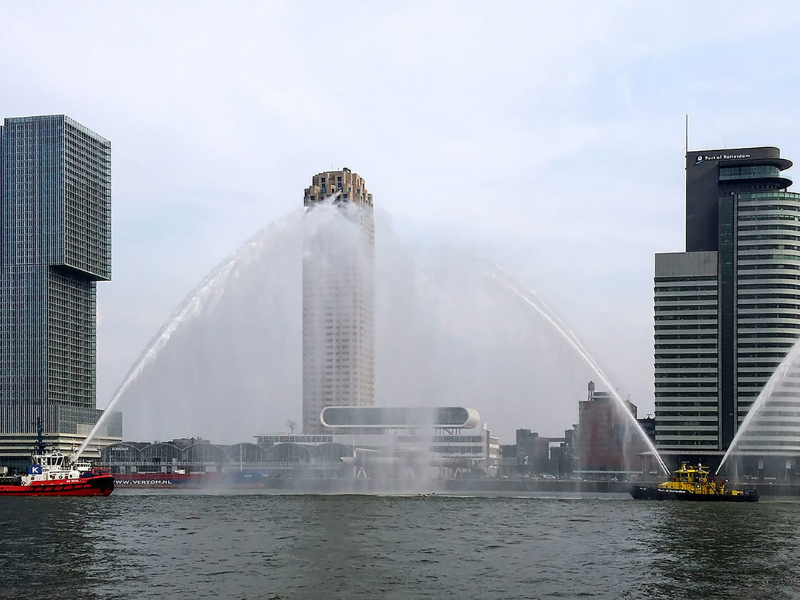
This strategy has also been applied in urban planning, whereby rainwater management in cities like Rotterdam involves the use of such tools as water squares, green roofs, and other permeable surfaces.
Similar to China’s sponge cities, the Dutch strategy recognizes that sometimes the best water infrastructure does not lie beneath the ground but exists in the landscape itself.
Streets That Do More Than Move People
The idea of the sponge city questions one of the fundamental concepts of urban planning: that streets are there essentially to facilitate transportation.
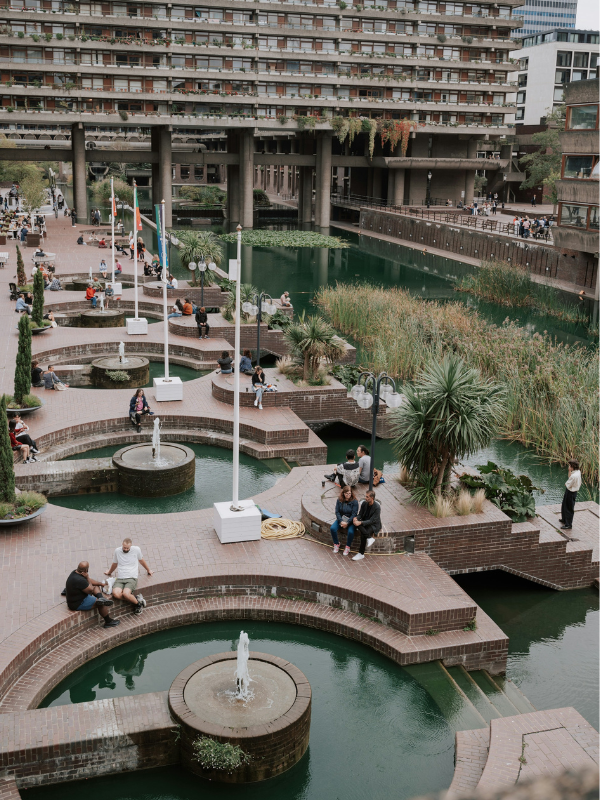
Streets are increasingly being designed as multifunctional spaces that support movement while managing water, cooling neighborhoods, and supporting biodiversity. They could be used for stormwater storage, biodiversity, cleaner air, temperature regulation, and the creation of a pleasant environment.
In Copenhagen, climate change adaptation projects have converted parts of the city into areas that can retain excess water during the rainy season. This has been achieved by redesigning public places to channel rainwater while maintaining their beauty and accessibility when it is not raining.
This versatile method is increasingly useful as cities look for ways to make their limited land serve multiple functions.
The most resilient infrastructure may be the one people do not notice because it is right before their eyes.
Beyond Flood Protection
Flood management is usually the highlight of sponge cities, but other consequences may be equally significant.
The vegetation in urban areas helps to keep the surroundings cool during periods of extreme heat. The rain gardens and wetlands help create a habitat for birds, insects, and pollinators. Enhanced water infiltration helps sustain the groundwater sources during dry spells. Stormwater green infrastructure systems are usually both functional and recreational.
Such a combination of environmental benefits and social considerations accounts for the interest that sponge cities have generated outside the field of engineering.
They present an approach in which all those concerns can be addressed with a single design concept.
Instead of developing distinct solutions to tackle each concern, the approach seeks to unite them.
Designing for a Wetter Future
For decades, urban design largely focused on keeping water separate from daily life. Rain was collected, channeled, and removed as efficiently as possible.
Sponge cities suggest a different relationship.
They recognize that water will always be part of the urban environment and that resilience may come not from resisting it, but from making space for it.
The future street may still look familiar. People will walk along it on their way to work, wait for buses beside it, and gather in the public spaces it connects.
Beneath its surface and along its edges, it may absorb, filter, and store water much like a wetland. In doing so, it reflects a broader shift in urban design: learning from natural systems rather than attempting to out-engineer them.
Read More on: