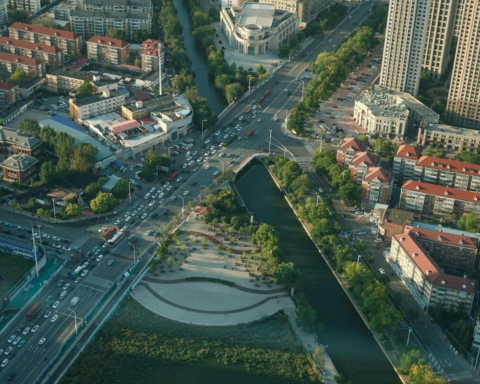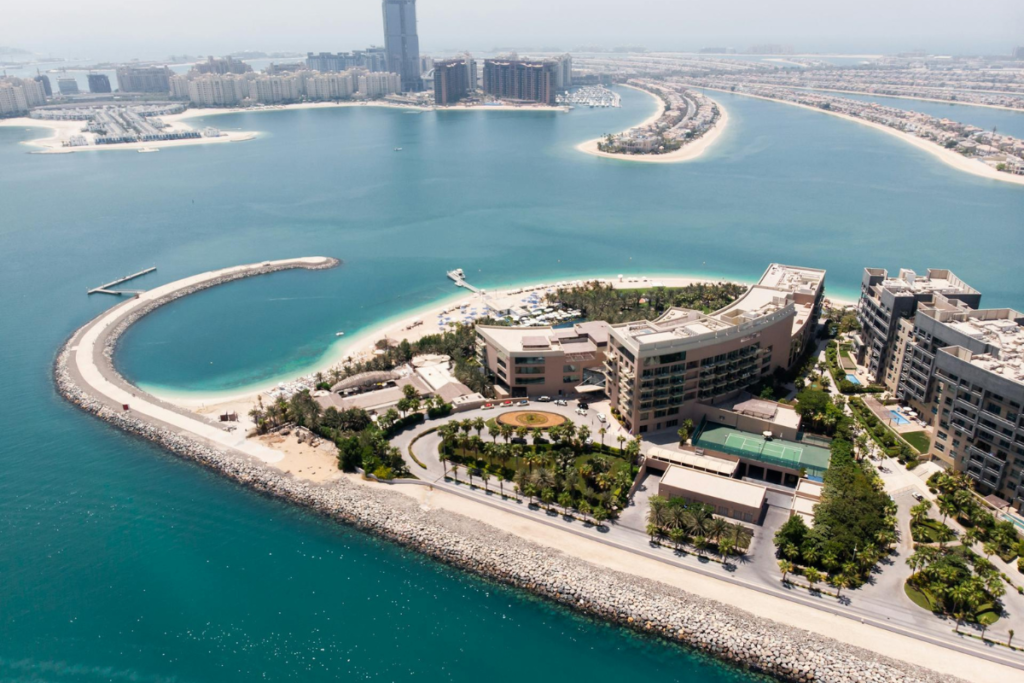
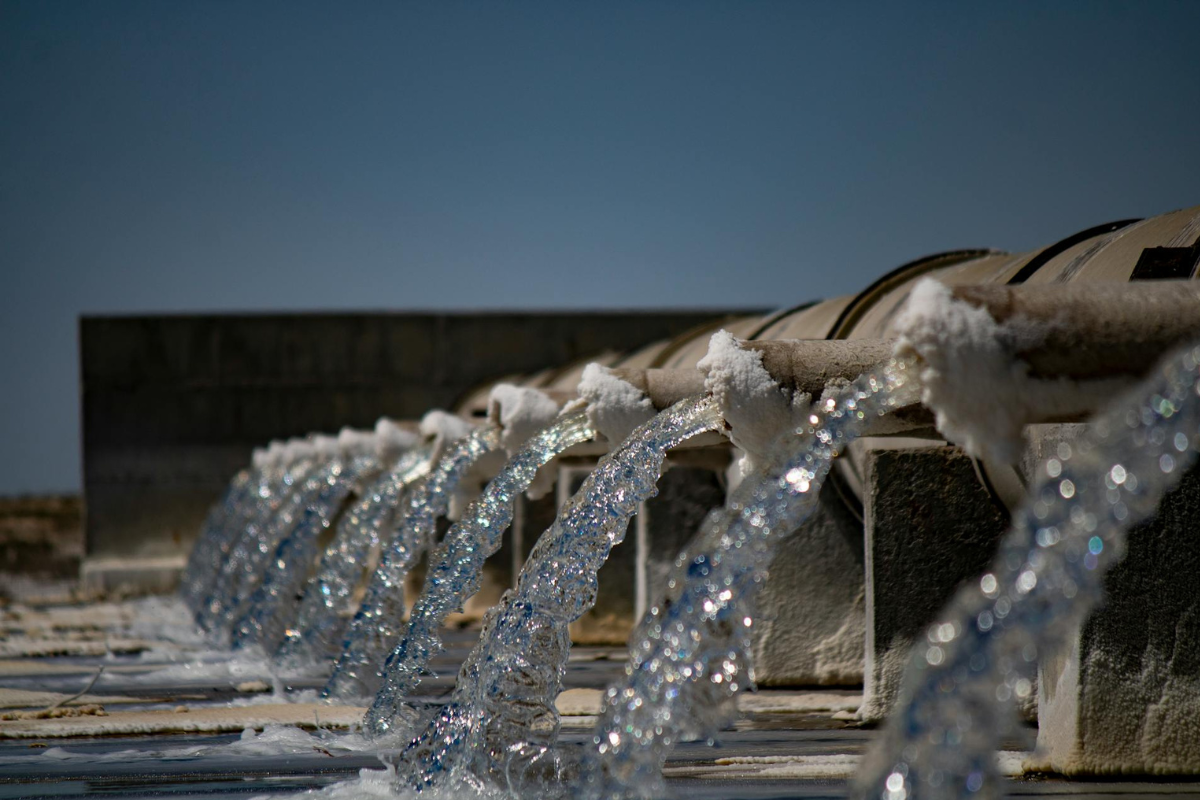

A future water shortage is forcing cities to rethink what they flush away. Governments, utilities, and designers are already responding through new policies, investments, and infrastructure projects. Earlier this year, the members of the House of Lords in the UK raised concerns that there will be a shortage of 5 billion liters of water per day in England by 2055 if necessary steps are not taken to collect rainwater.
Water reuse is gradually becoming one of the most critical design issues of our time. As cities face growing population, industrial, and technological pressures, wastewater treatment is moving from hidden infrastructure into the visible fabric of neighborhoods, landscapes, and architecture.
For many years, water infrastructure went mostly unnoticed. Water came in through pipes, went out through drains, and water treatment facilities operated outside the city’s perimeter. But times are changing, and that linear approach to water management is evolving into something else. Now, we look at water as a circular material. We capture it, use it again, and return it to the city.
The shift is not merely technical. It is reshaping how cities are designed.
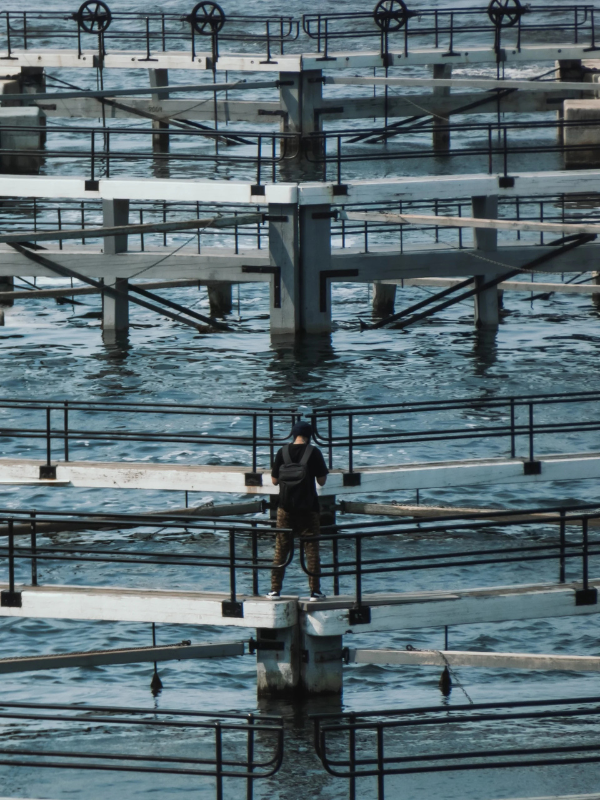
From Wastewater to Urban Resource
The magnitude of the problem is huge. As per UN-Water, growth in the population, urbanization, and development activities increases not only the amount of wastewater produced but also the levels of pollutants being discharged into water bodies across the globe. The fact remains that much of the untreated wastewater finds its way into water bodies, coastal areas, and even underground water supplies.
Wastewater is increasingly being viewed as a resource rather than a waste product. According to UN-Water, the development of a sustainable and more circular economy requires not only reducing pollution but also increasing the amount of wastewater treated and safely reused for energy and water recovery purposes, among others.
In light of the growing gap between water supply and demand, where global water demand will be 40% higher than availability by 2030, water reuse has come to be seen as an integral element of water security. Likewise, the WICER approach of the World Bank recognizes that water means much more than utility services.
Language around wastewater is transforming, too. Rather than simply concentrating on disposal, planners, policy-makers, and designers are beginning to talk about the issues of recovery, regeneration, and the circular economy. That which once constituted waste is starting to be seen not just as a resource but as a very precious one for helping cities satisfy their needs without harming nature.
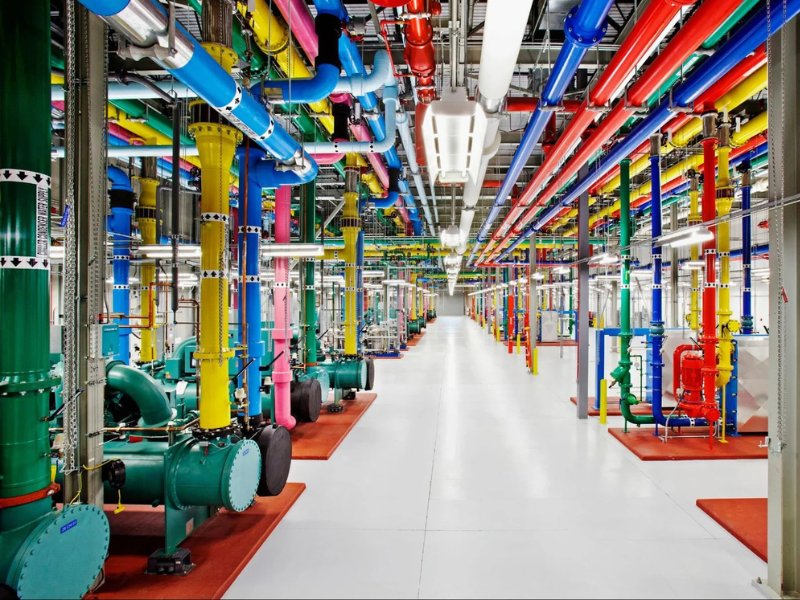
Courtesy of Google Data Centers
Why Water Reuse Is Becoming Design
Traditionally, urban water systems have been based on separation. Drinking water, wastewater, storm water, and industrial water were handled in separate networks.
Modern projects are now moving away from this approach.
In cities around the globe, planning efforts include circular water districts that involve recycling greywater in the immediate vicinity of its production; collecting stormwater on-site in public open space; and treating sewage in wetlands, parks, and civic centers. Examples range from Singapore’s large-scale efforts to create water reclamation through the NEWater project to water-sensitive urban design projects that have begun to take root in Melbourne.
These projects change how water appears and functions within the built environment. Water reclamation no longer occurs through infrastructure but takes on the form of wetlands, ecological corridors, water features, retention areas, and treatment systems.
There is more to this approach than just beauty, as water reclamation may contribute to decreased stress on freshwater supplies, increased biodiversity, mitigation of the urban heat effect, and drought resistance.
From this standpoint, water reclamation has turned into spatial design.
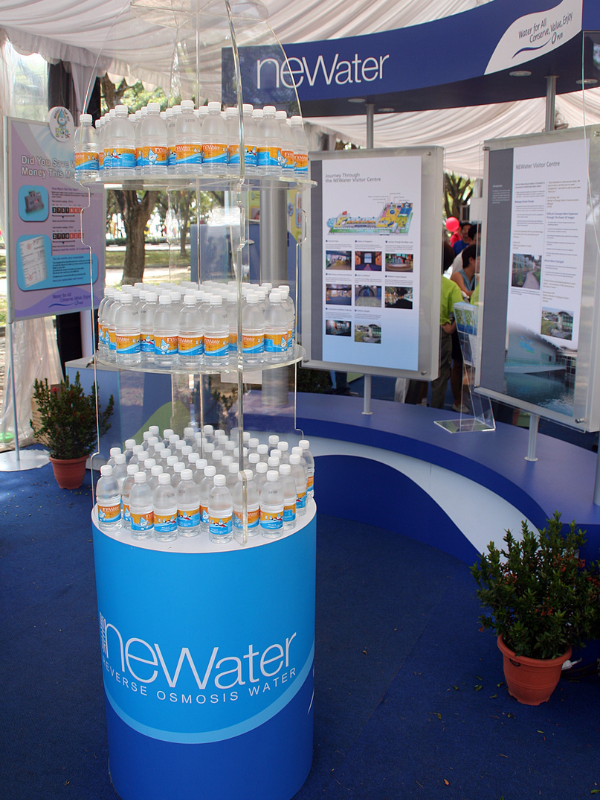
The New Pressure: Data Centers and Digital Infrastructure
An unexpected driver of water reuse is the rapid growth of the digital economy. As technology advances, there is an increasing demand for data centers, whose operation is dependent on the use of huge amounts of water in their cooling processes. The U.S. Environmental Protection Agency has noted that water consumption for purposes of cooling is one of the biggest demands for water in data centers.
This has motivated governments and tech firms to look for other sources of water, like reclaimed and recycled water. Companies like Microsoft Sustainability and Google Sustainability have come to regard sustainable water management as part of an overall sustainability approach that focuses on renewable energy, carbon neutrality, and resilience in infrastructure. The continued growth of AI and cloud computing makes the need for water reuse a significant consideration for how digital technologies can develop sustainably.
What was once considered an environmental strategy is now becoming an economic necessity.
The relationship reveals a broader reality: future cities will need water systems capable of supporting both climate adaptation and technological growth simultaneously.
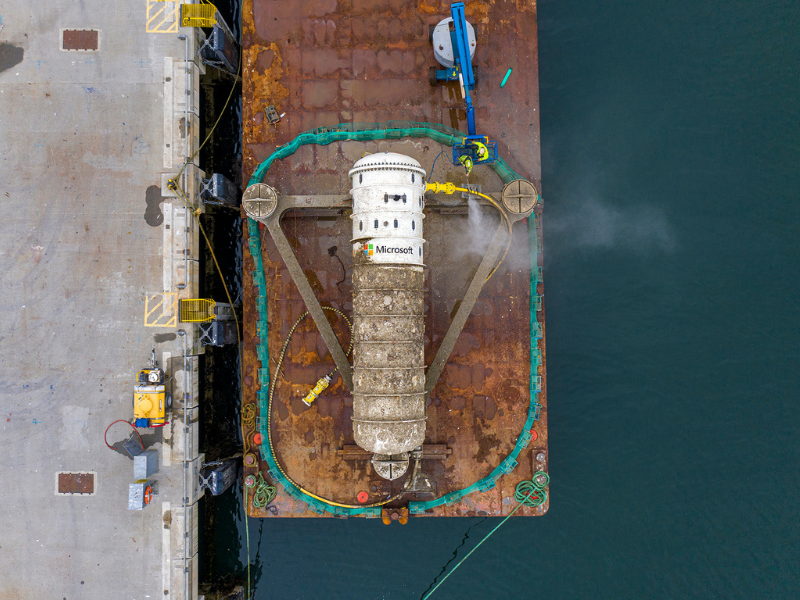
Courtesy of Microsoft – Project Natick
Source: Microsoft Research / Microsoft Project Natick.
A Circular Future for Water
As per recent analysis conducted by the World Bank, increased reuse of water has the potential to generate investments in the range of hundreds of billions of dollars while also enabling urban and industrial centers to establish more resilient sources of water. The launch of the new initiative of the World Bank, called “Water Forward,” is indicative of this trend, where water is seen not merely as a public utility but a resource with significant economic, climatic, and developmental importance. Similarly, Sustainable Development Goal 6.3 also calls for increased efforts in treating wastewater and the increased use of safe water reuse in order to reduce pressure on the freshwater resource base.
Indeed, the critical change may be cultural rather than technological.
However, for much of modern times, the focus with regard to water infrastructure was to create invisible systems. Water reuse challenges the assumption that waste should simply be discarded, reframing it as a valuable resource. Treatment plants have begun functioning like resource centers, wetlands like infrastructure, and buildings like water management centers where water would be reused.
As governments, industries, and even the rapidly expanding AI sector explore water reuse strategies, the transition from linear consumption to circular water systems is gaining momentum.
The most resilient cities may not be those that find new water sources, but those that learn to work more intelligently with the water they already have.
Read More on: