
Artificial beaches and engineered landscapes are reshaping coastlines around the world. Coastlines once defined by instability are increasingly managed through design and infrastructure. Sand is shipped in from another area, sand dunes are re-created after a storm hits, lagoons are engineered to stay stable, and wetlands are created and designed to channel water in and out.
A recent study on coastal engineering revealed that as much as 56 percent of the coastlines observed have already been modified, while about 36 percent are undergoing erosion. Beaches, which we usually consider to be among the most naturally beautiful landscapes in the world, are slowly transforming into places where infrastructure and adaptation play as big a role as geography.
The Beach as Manufactured Escape
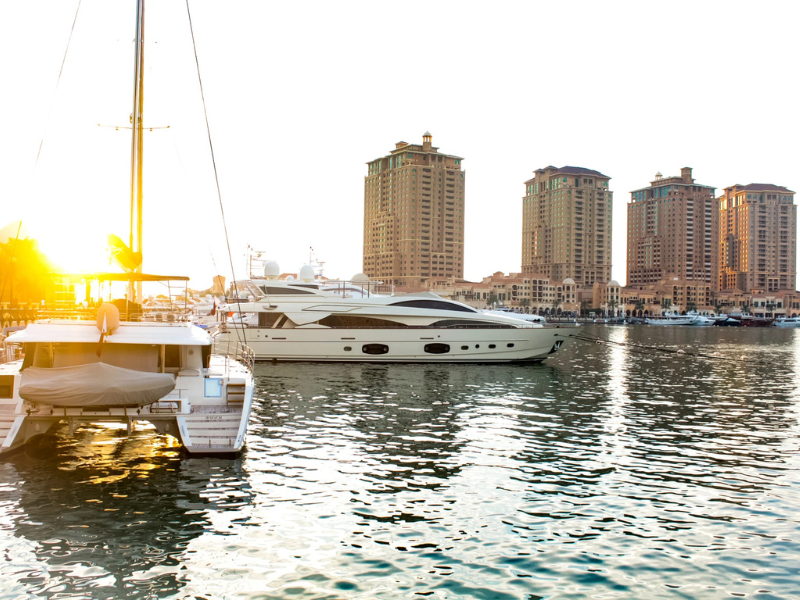
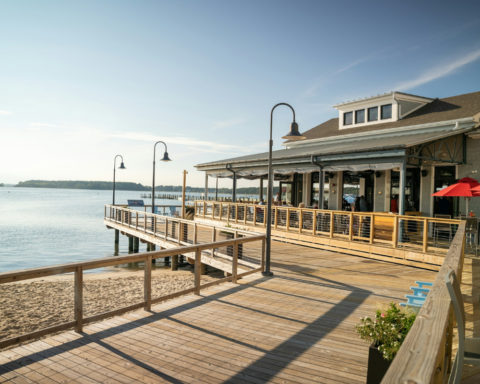
In today’s world, an artificial beach is seen as a haven for relaxation and a sense of natural simplicity. But hidden behind this scene is a large-scale engineering project that ensures the continued maintenance of this idea.
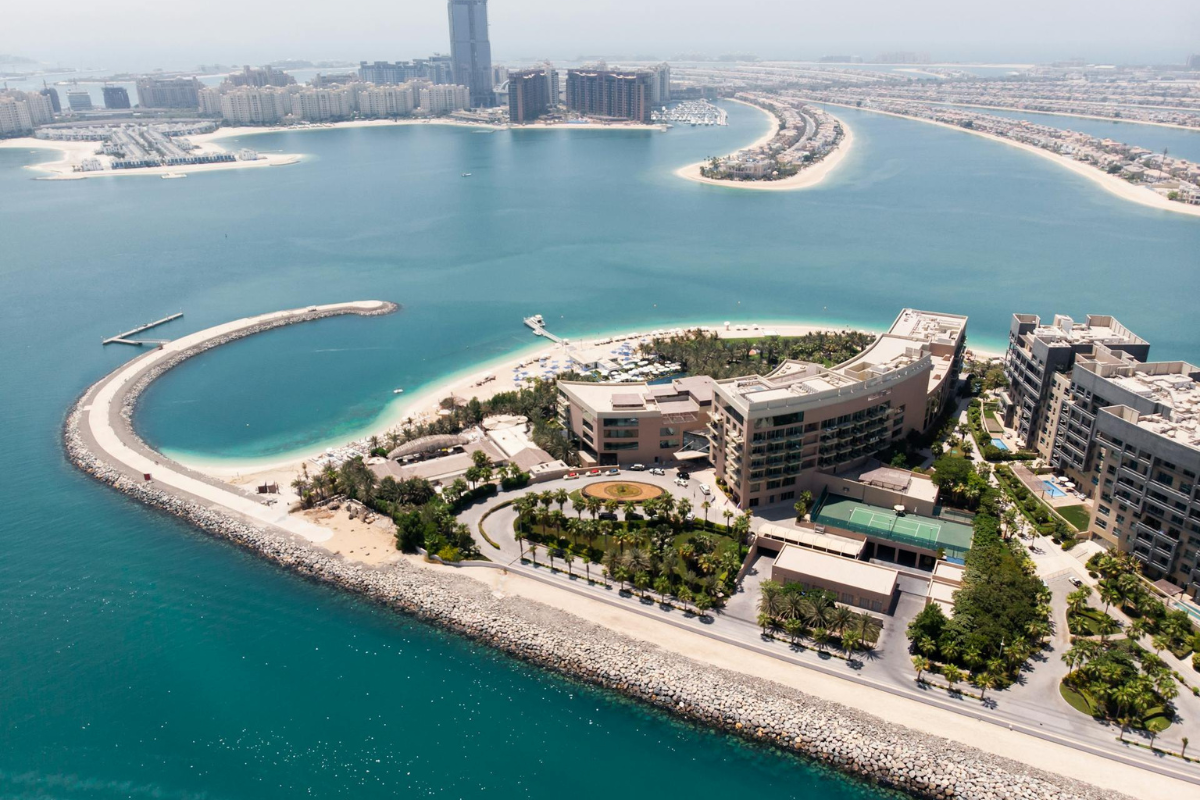
Tourism-oriented cities become increasingly dependent on a well-kept coastline, which keeps the local economy alive. For example, cities like Dubai have been engineered to alter the natural coastline, making them an international symbol of luxury beaches. For instance, Palm Jumeirah reclaimed about 56 kilometers of coastline to create luxury beaches, marinas, resorts, and residences from nothing but dredged material.
There are more similar cases of such engineered natural beauty. For example, the authorities in Singapore have created additional land through decades-long reclamation projects, including artificial beaches at Marina Bay Sands and East Coast Park. The Pearl-Qatar in Doha has been building marinas and artificial islands, offering the possibility of luxurious waterfront living as part of the country’s tourism and real estate development strategy.
Meanwhile, as tourism in the Maldives relies heavily on the idea of unblemished tropical shores, the nation’s beach landscape is evolving toward intensive management. The Maldives Fifth Tourism Master Plan 2023-2027 presents plans for the future that center on beach management, climate change adaptation, control of coastal erosion, and stricter planning for reclamations. The development of resort facilities in the fragile marine areas is turning the tropical beach into an engineered, environmentally planned landscape.
What visitors see is not necessarily pristine nature but a space designed to create a natural experience. The quiet shoreline becomes both architecture and infrastructure and, most importantly, performance.
Artificial Beaches and Engineered Nature as Climate Response
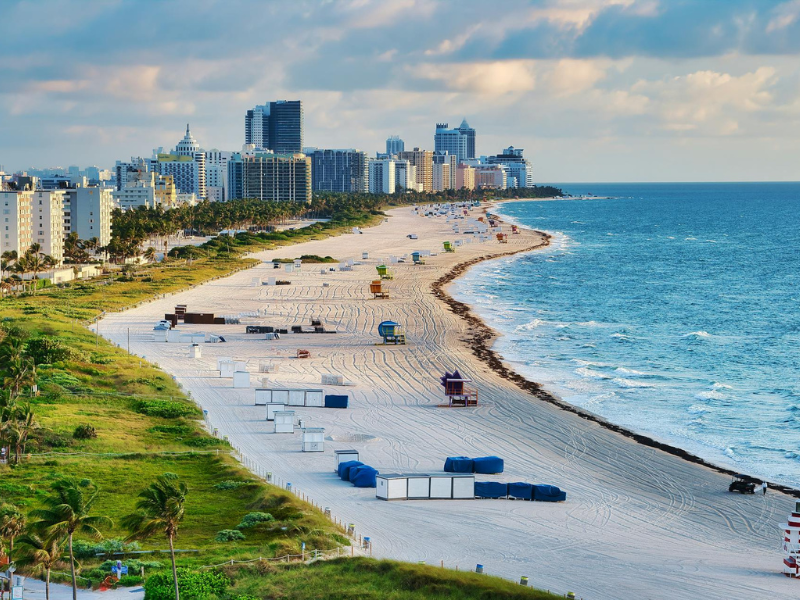
The creation of artificial beaches is no longer motivated solely by tourism. Adaptation to climate change is just as relevant.
Throughout Europe, projects such as BEACH-SOS are examining ways beaches can remain functional despite sea-level rise, coastal erosion, more severe storms, and ever-changing weather conditions. This is one way of looking at the changing perception of coastlines. Rather than being static natural formations, beaches are increasingly recognized as requiring constant adaptation and management in response to climate change. With the increasing demands of tourism and development, the very shoreline is becoming an integral part of this management process.
Similar pressures are reshaping waterfront cities worldwide. The presence of flooding, stormwater pressure, and coastal erosion is making it imperative for authorities to rethink how urban life coexists with water bodies. In the aftermath of the devastating floods that occurred in the United Arab Emirates in 2024, the worst rainfall experience the country had seen in 75 years, there was increased emphasis on drainage and flood mitigation systems in Dubai.
Similar patterns are emerging elsewhere. For example, in Miami Beach, ongoing beach replenishment operations, raised roads, seawalls, and stormwater pumps are all part of what is required to save the city from rising water levels and storm surges. Miami Beach “Rising Above” Program.
However, in the Netherlands, projects like the Sand Motor are being undertaken to experiment with softer techniques of coastal engineering, involving the deposition of large amounts of sand, which are then spread out along the coast by natural forces such as tides, wind, and ocean currents. The Sand Motor project was built in 2011 near The Hague and consisted of 21.5 million cubic meters of sand, based on the concept of “Building with Nature,” in which nature could help strengthen the coastline.
In Jakarta, where rising sea levels and land subsidence have continued to exacerbate flooding, massive construction schemes like the National Capital Integrated Coastal Development (NCICD) have helped redefine the relationship between the city and its waterways. NCICD is a major engineering project involving seawalls, drainage schemes, coastal reinforcements, and reclaimed land to help the city defend against tidal flooding and seawater intrusion. Around the globe, artificial beaches and engineered coasts are becoming more than just recreational spaces. They are fast becoming an integral part of cities that need to adapt to changing water systems.
Designing Nature to Look Natural
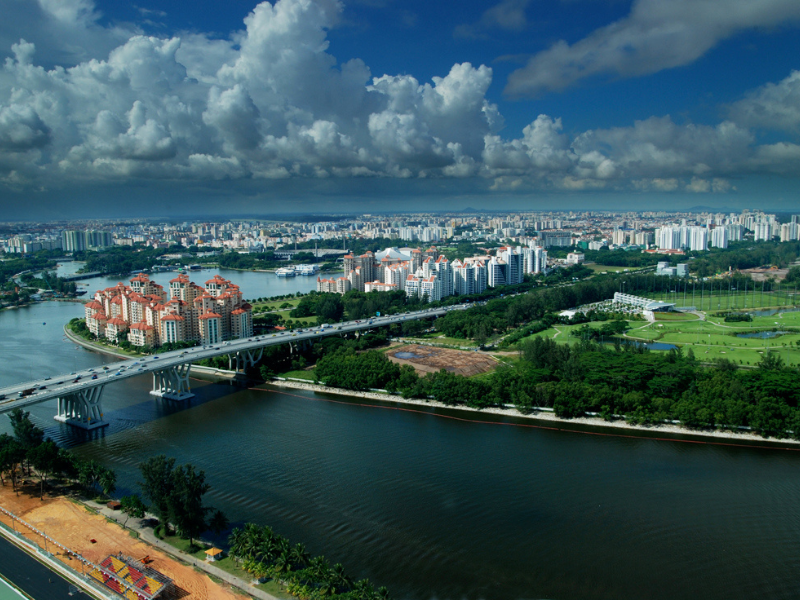
By William Cho – originally posted to Flickr as The Singapore Flyer
One of the most striking aspects of engineered nature is that it is often designed to conceal itself.
Constructed wetlands mimic undisturbed ecosystems. Constructed lagoons create a sense of serene coastal settings. Reconstructed dunes look natural, although they were created through detailed environmental modeling. As in the case of Bishan-Ang Mo Kio Park in Singapore, flood management facilities are integrated into landscape designs that aim to make infrastructure invisible by mimicking nature. What results is not a conspicuous network of pipes but rather a seamless landscape system with built-in drainage, erosion management, and adaptation to climatic change.
Such approaches are now more prevalent in waterfront urbanism. All over the world, natural systems are incorporated into public space design, serving not only environmental functions but also emotional needs. Public landscapes are increasingly designed to feel calm, restorative, and connected to water.
In essence, the coastline is now curated.
The Rise of Programmable Coastlines
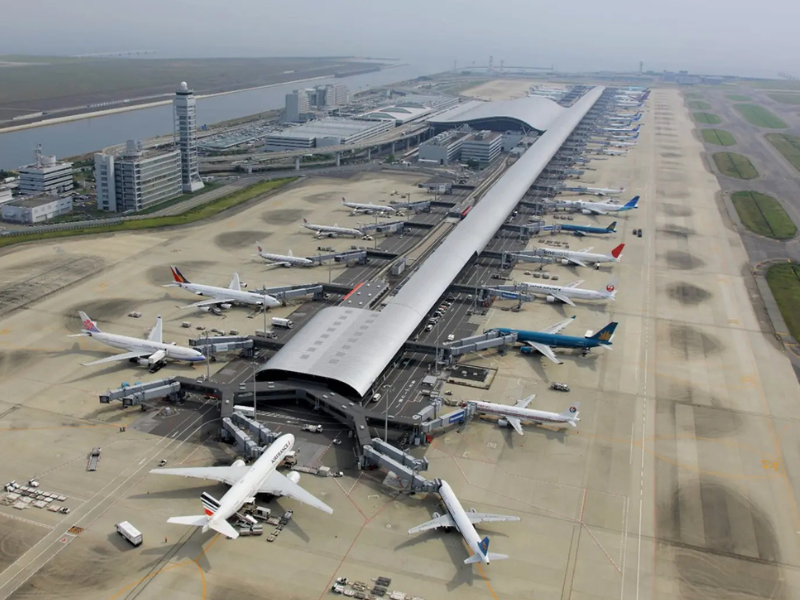
Courtesy of Kansai International Airport Official Website.
Future beaches may become even more technologically managed than they are today.
Studies have already been conducted on the implementation of AI systems capable of tracking shoreline movements, erosion patterns, and flooding hazards in real time. The Digital Twin Ocean project, for instance, incorporates oceanic observations, AI, and advanced environmental models to simulate varying ocean and coast conditions. On the other hand, there is the IRIDE Coastal Digital Twin initiative being carried out in Italy, which involves developing predictive technologies meant to facilitate coastal management through the integration of earth observation technologies, numerical models, and AI that can be used to track erosion and flooding risks.
This is a huge cultural paradigm shift. Traditionally, beaches have represented randomness and natural fluidity. However, engineered nature requires increasing accuracy, surveillance, and control.
Some artificially constructed coastal structures depend on large industries operating beneath the ocean’s surface. For instance, the construction of Kansai International Airport on an entirely artificial island in Osaka Bay necessitated seabed reinforcement with more than 1 million sand drains. As reported in the engineering documentation provided by Kansai Airports, the airport is still following a strategy of monitoring and taking measures to prevent any subsidence of the island. The future coastline might become less of a fixed landscape and rather an infrastructure that requires constant maintenance.
What Happens When Nature Becomes Design?
Artificial beaches and engineered nature are symptomatic of a broader issue in how societies approach environmental instability. Rather than retreating from the threat of rising seas and vulnerable coasts, many cities are reinventing the coast itself through systems of climate adaptation and coastal management.
This is not to say that these efforts are environmentally irresponsible. In certain areas, engineered wetlands, restored dunes, replenished shorelines, and managed coastlines may become critical for protecting communities and ensuring access to water. These projects, however, challenge earlier perceptions of the nature of nature.
Beaches may continue to appear serene and timeless, even as hidden systems work constantly to maintain them. However, more often than not, such landscapes could be sustained by systems working silently underneath them.
The future coastline may be shaped as much by engineering as by nature itself.
Read More on: