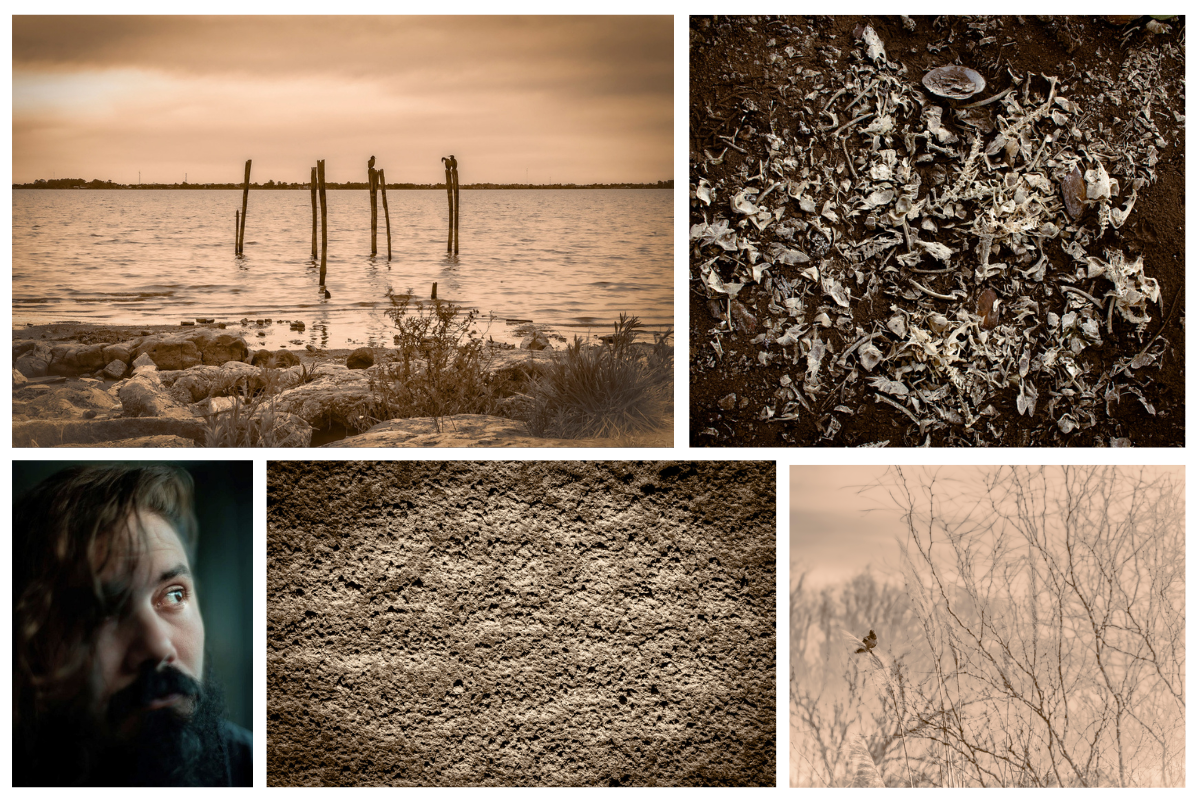

Barberi’s perspective on environmental collapse is more evolutionary than catastrophic.
Jonathan Barberi’s Satori approaches drought without spectacle. There are no aerial disaster images, no alarming statistics, and no dramatic visual rhetoric.
On the contrary, everything is illustrated in silence.
Rendered in muted sepia tones, the series builds its visual language from fragments of the Pampas landscape: cracked soil, nautical ruins, stranded fish, pale reeds, bones, and stagnant pools of water.
The exhibit challenges the audience to appreciate emptiness.
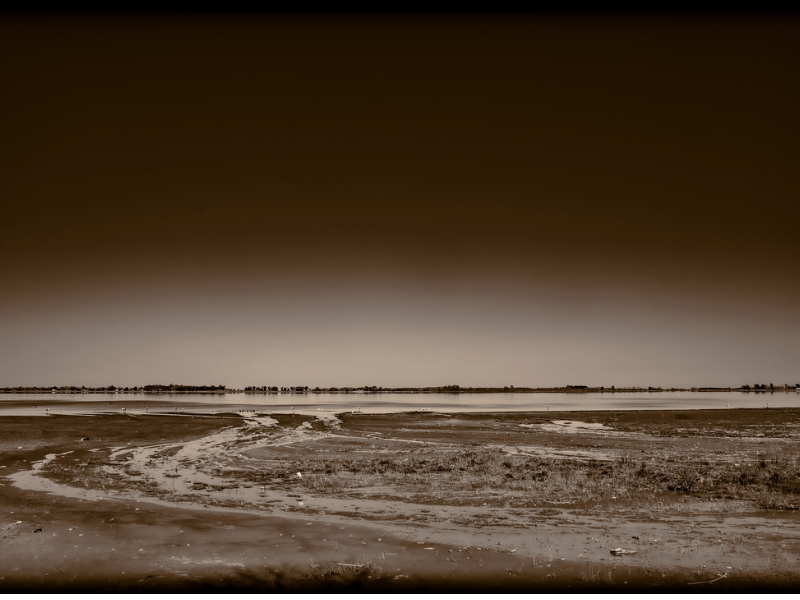
Jonathan Barberi, Satori series, depicting a drought-stricken landscape in Argentina’s Pampas region through atmospheric sepia-toned composition
The project’s slow pace is central to how the work is experienced. Instead of viewing the destruction of the environment as one big, catastrophic incident, Barberi sees drought as atmosphere, something that takes time to become part of the land, the memory, and the perception. The series moves beyond documentary photography, examining how drought reshapes both landscape and cultural memory.
The project focuses on Chascomús, a town in the Pampas region of Argentina, about 125 km from Buenos Aires. The name is taken from the Mapudungun language and means “salty water” or “many salt lakes.” Once tightly tied to tourism, lagoon culture, and maritime practices, the region suffered a three-year drought before Barberi started the series in 2023.
However, Satori does not provide much explanation of this background in the image itself.
The photographer has to resort to implication. A shell in dried mud appears to be archeological. The flamingos appear suspended between survival and ecological decline.
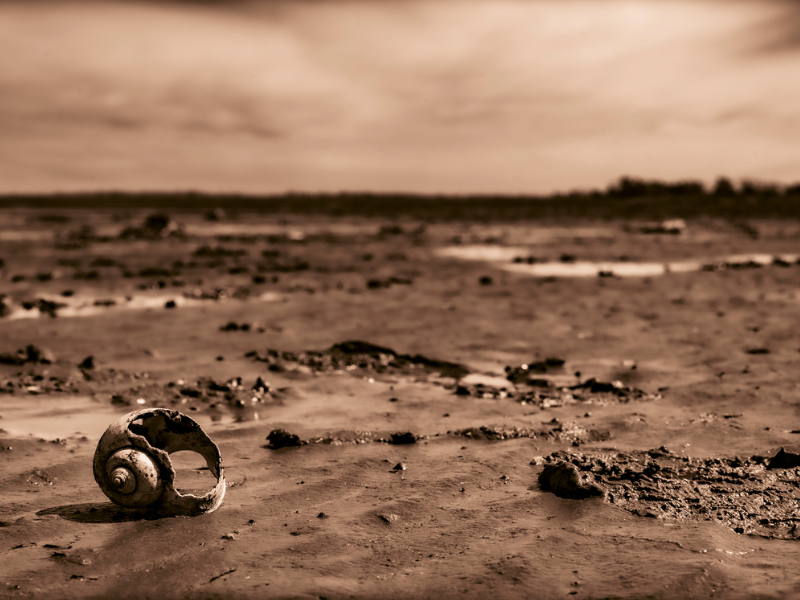
A fractured shell rests within drying mud in Jonathan Barberi’s Satori series, reflecting the ecological stillness and environmental exhaustion shaping drought-stricken landscapes in Argentina
Visual language draws heavily on Eastern-style paintings, as Barberi notes in his project statement. The presence of human beings has been almost completely relegated to marks left behind within the landscape itself. This results in an odd sense of tension being felt through the collection of photographs.
That tension gives the series its emotional restraint and visual weight.
Much contemporary environmental photography depends on visual urgency and catastrophe. Forest fires, floods, the collapse of ice sheets, and aerial destruction form much of the visual record of our current climate moment. Satori approaches things from the opposite perspective. In his images, Barberi slows things down just enough for the viewer to catch up.

A fractured shell rests within drying sediment, tracing the quiet ecological erosion that runs throughout the Satori Series
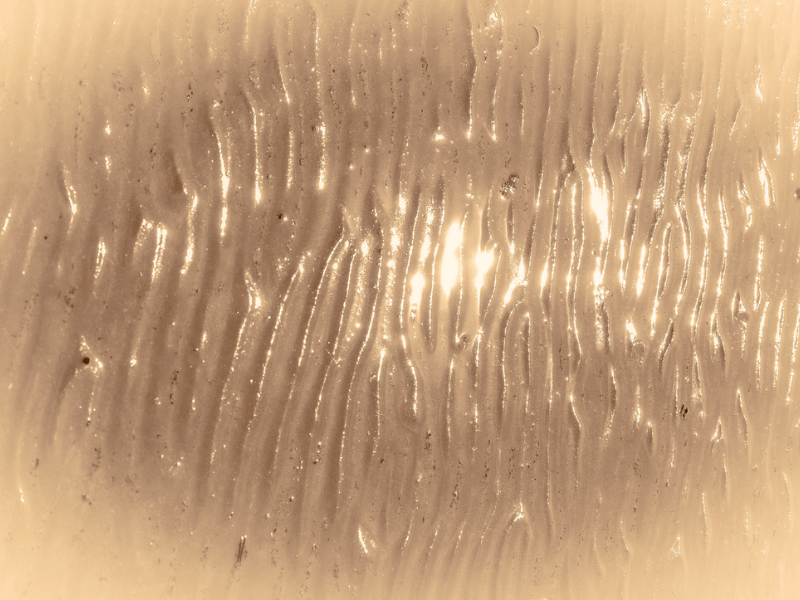
Shallow reflections move across hardened terrain in Satori, where water survives only as texture, memory, and trace.
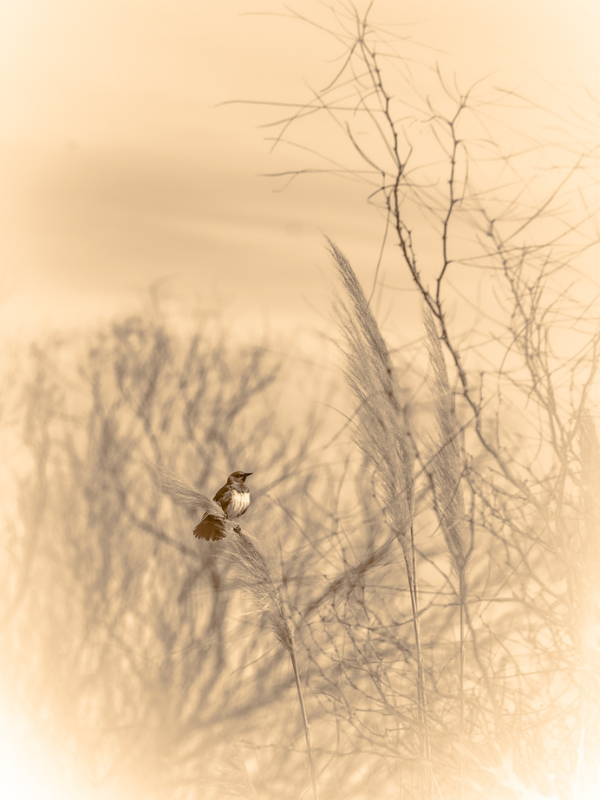
A solitary bird remains suspended within fragile reeds as Satori reflects on endurance inside drought-altered ecosystems.
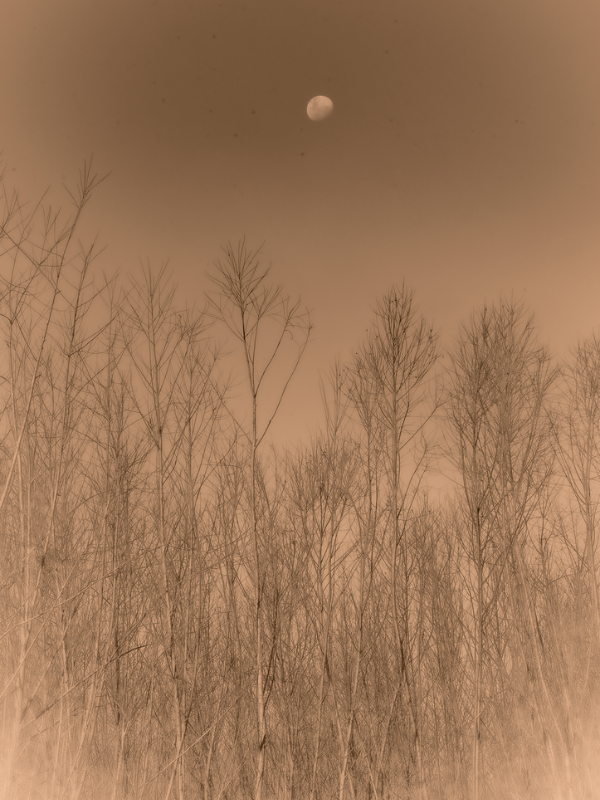
Bare branches rise beneath a muted moon in Jonathan Barberi’s Satori, where landscape becomes both witness and memory.
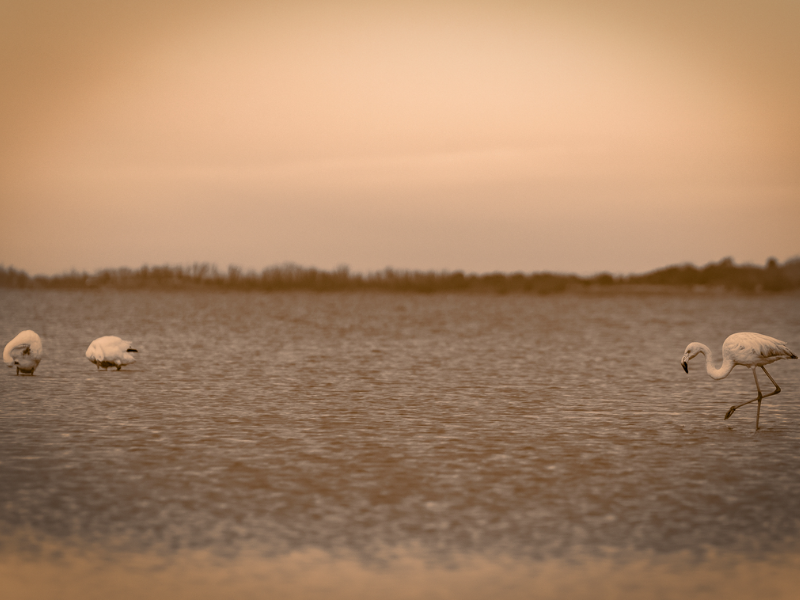
Flamingos continue moving through diminishing wetlands, embodying the fragile persistence that shapes Satori’s environmental atmosphere.
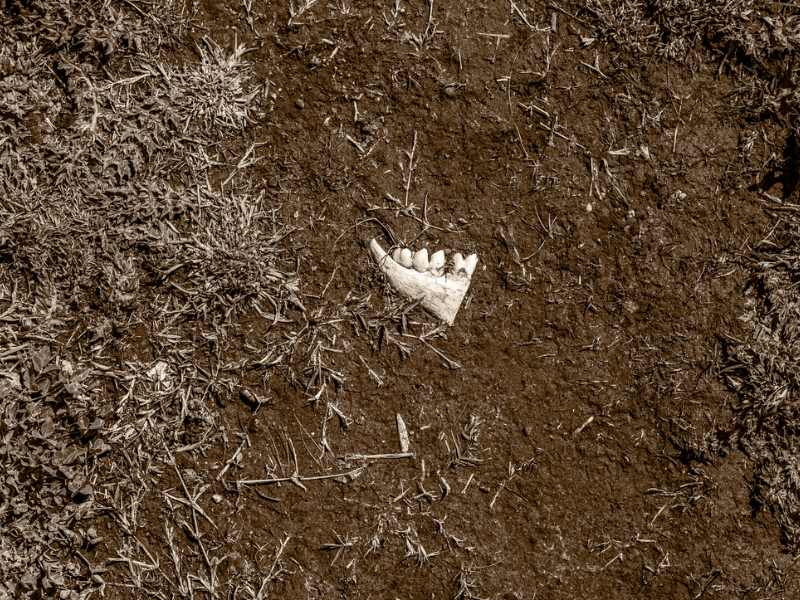
Scattered remains emerge from drought-stricken ground in Satori, confronting the quiet aftermath of ecological exhaustion.
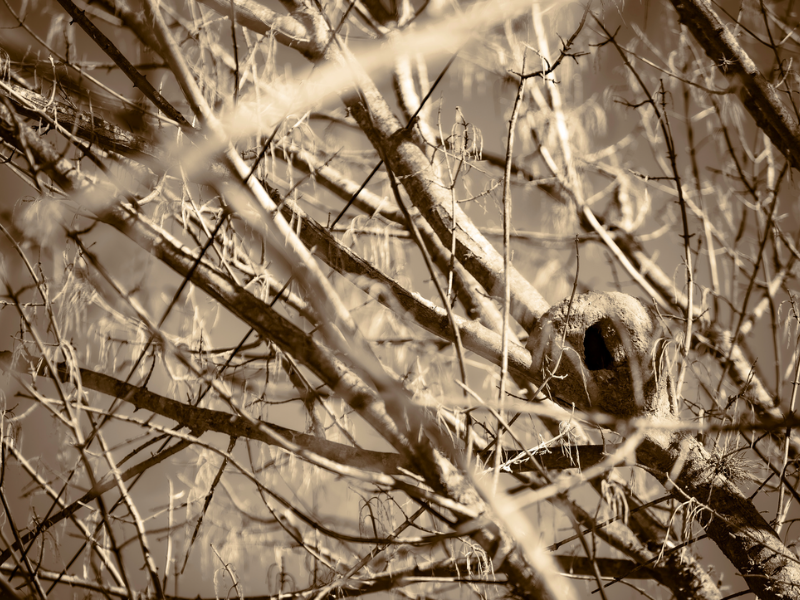
A Hornero nest suspended among brittle branches extends Satori’s meditation on home, climate fragility, and national identity. Argentina’s national bird, the Hornero is named for its clay-oven-shaped nest.
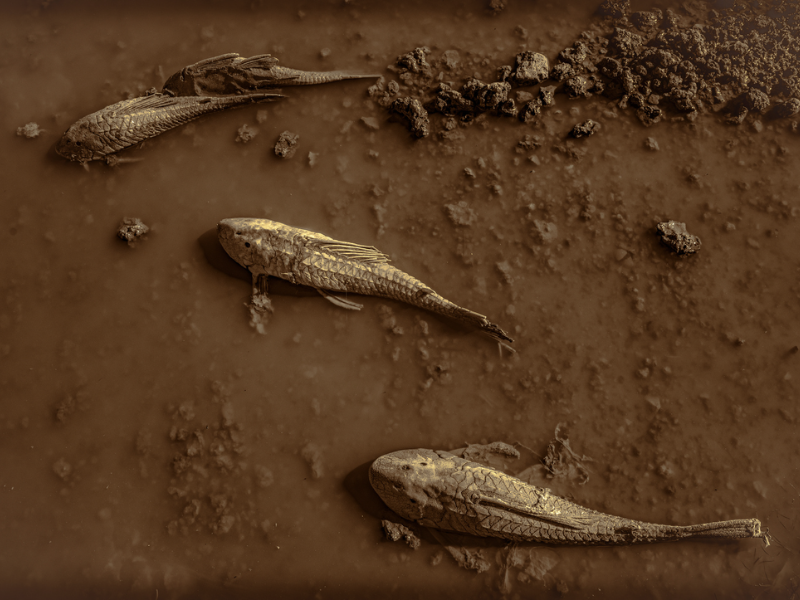
Stranded fish remain trapped within receding mudflats as Jonathan Barberi documents drought through stillness rather than spectacle.
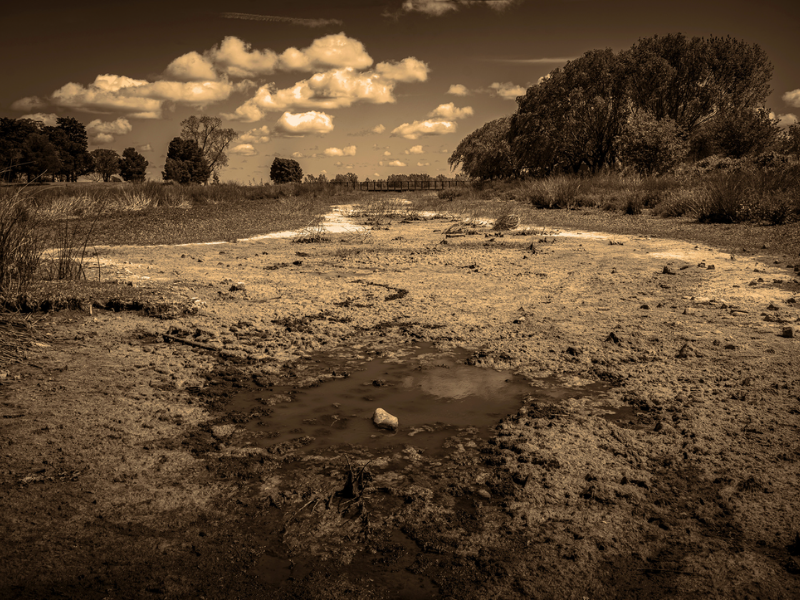
Dry waterways cut through the Pampas landscape in Satori, revealing how environmental instability reshapes both terrain and memory.
This slow visual approach reflects one of the project’s central concerns: how difficult it can be to recognize environmental change while it is happening. The drought does not come suddenly; ecosystems retreat gradually, water levels diminish slowly, and species adjust until they can no longer.
Water seems more a trace of memory than an actual physical element within the exhibition. The shores seem like imprints left behind from where the waters have receded. The landscape appears stripped back by retreating water. The branches and blades of grass seem suspended between survival and inevitable disappearance. Even the few pools of water that remain seem temporary in nature.
The poem “Ngümayen,” translated by Micaela Iribarren Pisos, extends the exhibition’s atmosphere of ecological mourning. Rather than standing apart from the images, it reflects on rivers, forests, valleys, and plains as landscapes shaped by extraction, loss, and abandonment.
A shipwrecked system that leaves us cast away
Surrounded by mirages and flooded dreams today.
The Pacha resists and persistent she stands,
Between shiny cowbirds and the wildest pampas lands.
Lain waste and bled out for her inherent richness,
Stepping over the tenderness of any reverent witness.
Stranded on the present, my brothers give their last breath,
Their cries remind us of our inborn thirst for death.
What about our soil, what about our lands,
Flayed and flattened with hasty hands.
Our rivers, our valleys, salt flats and lanes.
Minerals, forests, hills. Orphan Pampa and plains.
If the fortunes of the people are collected by a few,
Don’t stay silent nor ignore this injustice in plain view.
Let’s raise our voices and defend what we’ve got,
Don’t forget our origins, don’t let our dreams rot.
We must guard our mother’s growing seed
Living in our body and skin and wherever we bleed.
Shared since the beginning, attached to our flesh and bone,
Gets crushed in our guts whenever we hear her groan.
The broadened scope enables Satori to transcend local documentation and examine more universal issues about water culture.
Across many regions, water systems are becoming increasingly unstable: over-exploited in some places, inaccessible in others, and simultaneously commercialized and threatened. People who have traditionally lived by rivers, marshes, lakes, and shorelines are finding themselves living in conditions that affect not only their economics and ecology but also their memory, behavior, and very sense of identity.
In this regard, Satori is among an increasing number of artworks that focus less on natural landscapes and more on environmental processes as cultural phenomena. Far from merely encouraging us to witness the drought, the photographs force us to reflect on how things are socially, psychologically, and historically lost when water evaporates from our surroundings.
The production of materials for this exhibit further strengthens this stance. This is because the prints use environmentally sustainable processes that employ water-soluble pigments on paper certified by the Forest Stewardship Council, whereas other prints incorporate materials such as recycled cotton paper and natural tannins in cyanotypes and ferroprussiate prints.
These material choices prevent the project’s environmental position from remaining purely symbolic. Sustainability is not just a realm of metaphorical thinking but also a material reality of the exhibition.
Barberi’s professional experience offers insight into why Barberi’s approach is interdisciplinary in nature. Alongside photography, Barberi’s practice includes archival research, experimental photographic processes, documentation, and art education. In all of these, photography is no longer limited to capturing fleeting moments but involves creating an extended mode of seeing.
Satori, in essence, is defined by that slowness. The exhibition refuses to engage with the rapid pace at which the imagery of climate change is consumed nowadays – quickly scrolled through, condensed, digested for a moment, and promptly discarded. In turn, Barberi succeeds in creating an environment conducive to prolonged engagement with the images.
At this point, the project has begun to gain recognition on the international stage in photography and eco-art, with its inclusion in publications such as Sublime Magazine and its participation in festivals such as the Rencontres d’Arles Photography Festival and the Foto Brasil Festival.
In Zen Buddhism, ‘satori’ refers to awakening. Here, Barberi approaches awakening as something gradual, shaped through silence, texture, and environmental absence.
Viewers enter Satori looking at drought. They leave, confronting what disappears with water itself.
Read More On: